

Red Mud Pneumatic Conveying Technology: In-Depth Analysis and Application of Negative and Positive P
Shandong HeadPowder Engineering Co., Ltd., based in Shandong, China, specializes in advanced material handling solutions, including innovative pneumatic conveying systems for red mud. Red mud, a byproduct of bauxite processing, presents unique challenges in transportation due to its high moisture content, abrasive nature, and propensity for dust generation. Traditional handling methods often struggle with these characteristics, making specialized pneumatic conveying technologies essential for efficient and safe material transport.
Negative Pressure Pneumatic Conveying Systems
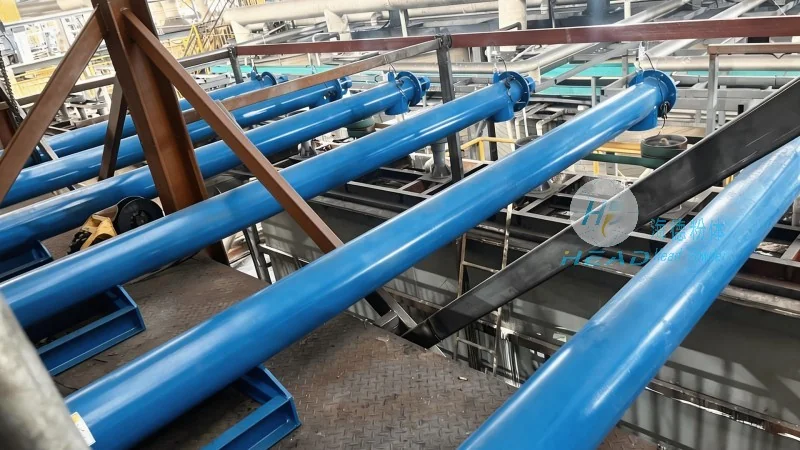
Negative pressure systems, also known as suction conveyors, operate by creating a vacuum at the inlet to draw material from the source into the conveying line. This method is particularly effective for handling fine powders and materials prone to dusting. The system utilizes a fan or blower to generate a low-pressure environment, which pulls the material through the pipeline. For red mud, negative pressure systems are well-suited for applications where material is sourced from a hopper or storage silo, as they efficiently transport the material over moderate distances without requiring high-pressure air. Key components include a vacuum fan, a filter system to capture dust, and a material collection vessel at the discharge end. The design minimizes material degradation and reduces dust exposure, aligning with environmental and safety regulations.
Positive Pressure Pneumatic Conveying Systems
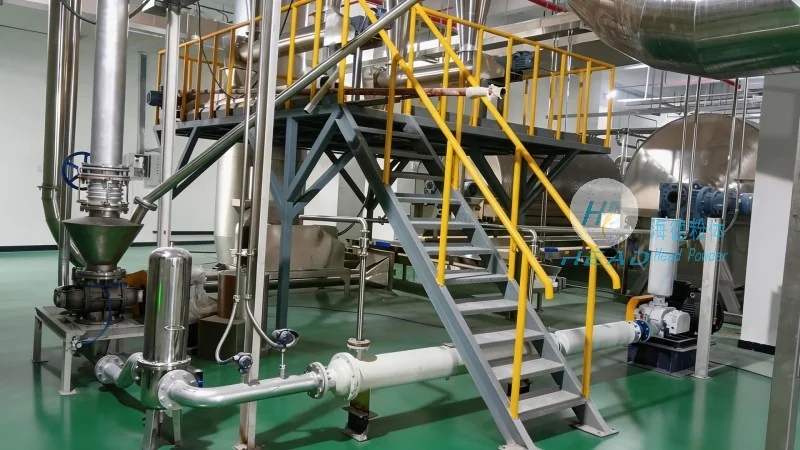
Positive pressure systems, or pressure conveyors, work by forcing air or gas through the material at high pressure. This approach is ideal for handling bulkier materials or those with higher moisture content, as the high-pressure air helps fluidize the material and maintain flow. In red mud applications, positive pressure systems are often preferred for longer conveying distances or when transporting material through complex piping networks. The system typically includes a positive displacement blower, a hopper or feeder to control material flow, and a discharge valve at the receiving end. The high-pressure air ensures consistent material movement, reducing the risk of blockages and improving overall efficiency. Unlike negative pressure systems, positive pressure systems do not require an inlet filter, as air is filtered at the discharge end, simplifying maintenance and lowering operational costs.
Comparative Analysis: Negative vs. Positive Pressure Systems
When selecting between negative and positive pressure pneumatic conveying systems for red mud, several factors must be considered. The primary distinction lies in pressure differential and air flow direction. Negative pressure systems are generally better for short to medium distances and fine materials, relying on suction to move material. Positive pressure systems are more suitable for longer distances and bulkier materials, using high-pressure air to force material through the pipeline. Material properties, such as moisture content and abrasiveness, also play a role. Red mud's high moisture content affects flow characteristics, and positive pressure systems often provide better moisture control. System footprint and maintenance requirements are additional considerations: negative pressure systems may need larger filter areas for dust, while positive pressure systems have simpler discharge filtration. The choice depends on specific application needs, including distance, material characteristics, and operational constraints.
Application Scenarios and Best Practices
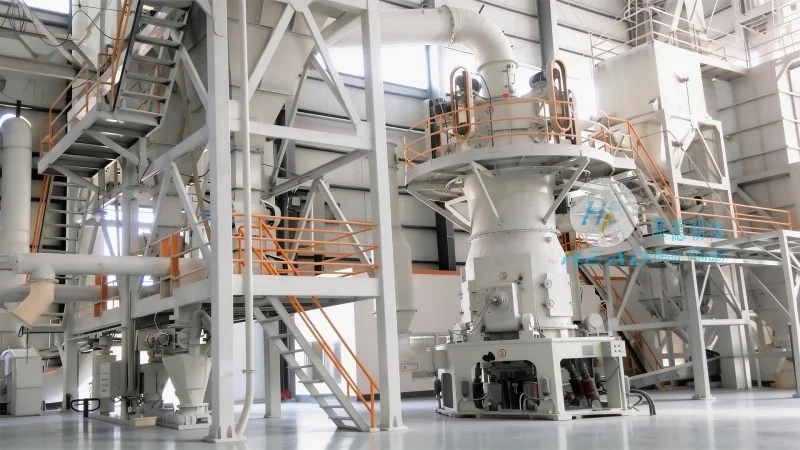
Shandong HeadPowder Engineering Co., Ltd. has successfully implemented both negative and positive pressure pneumatic conveying systems in industrial settings. For instance, a negative pressure system was used to transport fine red mud from a storage silo to a processing unit over 50 meters. The low-pressure operation minimized material degradation and ensured consistent flow, with an integrated filter system maintaining air quality. In another case, a positive pressure system was employed to transport bulkier red mud over 200 meters through a complex pipe network. The high-pressure air fluidized the material, preventing blockages and ensuring reliable delivery. Best practices include regular maintenance of the fan/blower, filter cleaning, and monitoring of flow rates to avoid inefficiencies. Proper conveying line sizing and air velocity are also critical to prevent material degradation and optimize performance.
Conclusion
Both negative and positive pressure pneumatic conveying systems offer effective solutions for red mud handling, with each tailored to specific operational needs. Negative pressure systems are ideal for short distances and fine materials, providing safe dust control. Positive pressure systems, while more complex, suit longer distances and bulkier materials, offering high reliability and consistent performance. Shandong HeadPowder Engineering Co., Ltd. leverages expertise in material handling to design customized pneumatic conveying solutions that address red mud's unique challenges. By understanding material properties and operational requirements, the company ensures selected systems maximize efficiency, minimize downtime, and adhere to environmental and safety standards.