

Coke Pneumatic Conveying Technology: In-Depth Analysis of Negative Pressure and Positive Pressure Sy
HeadPowder, a leading engineering firm based in Shandong, China, specializes in advanced material handling solutions, including coke pneumatic conveying systems. This article provides a comprehensive overview of negative pressure and positive pressure pneumatic conveying technologies, their operational principles, and practical applications in industrial settings.
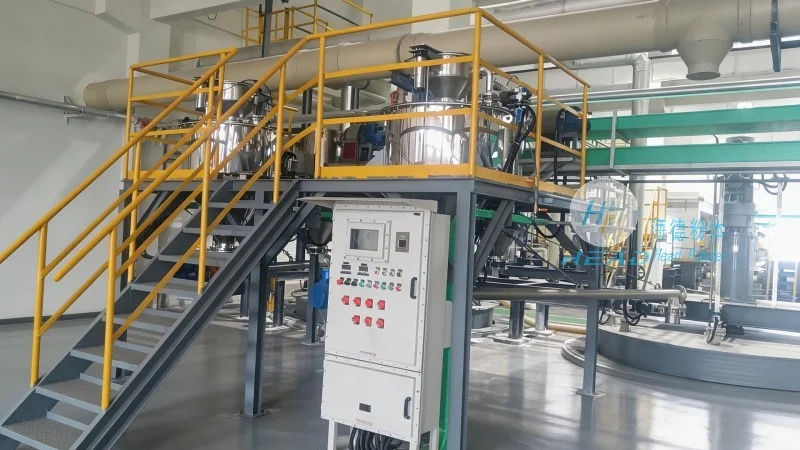
Understanding Pneumatic Conveying Systems for Coke Handling
Pneumatic conveying is a critical method for transporting bulk materials like coke, offering advantages such as reduced dust, improved safety, and efficient material movement compared to traditional methods like belt conveyors or trucks. The two primary types of pneumatic conveying systems are negative pressure (or suction) and positive pressure (or pressure) systems, each with distinct characteristics and suitability for different operational requirements.
Negative Pressure (Suction) Pneumatic Conveying Systems
Negative pressure systems operate by creating a vacuum at the material intake point, drawing the coke into the conveying line. This method is particularly effective for applications where the material is to be transported from a source to a destination, often over short to medium distances. The system typically includes a suction fan, a material hopper, and a pipeline network. The fan creates a low-pressure environment, causing the coke particles to be drawn into the system. Key components of a negative pressure system include the intake hopper, which may feature a rotary valve or other feeding mechanism to control the flow of coke, and the conveying pipeline, which is usually made of stainless steel or other corrosion-resistant materials to handle the abrasive nature of coke.
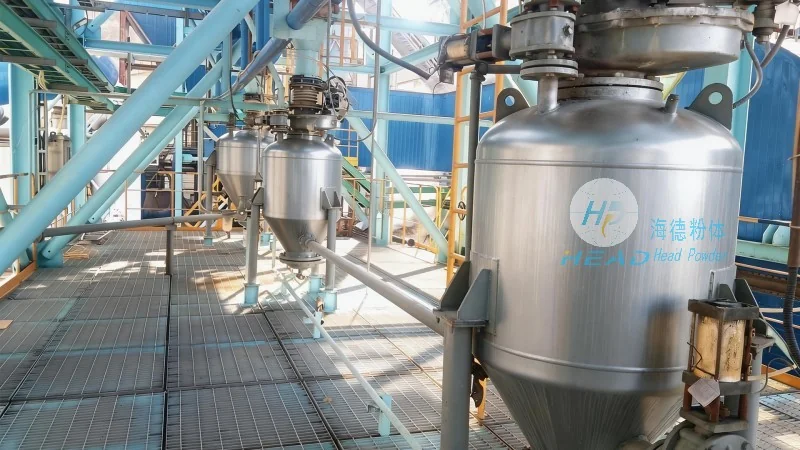
Positive Pressure (Pressure) Pneumatic Conveying Systems
Positive pressure systems, conversely, use a blower or compressor to generate high-pressure air that pushes the coke through the conveying line. This approach is suitable for longer distances and when the material needs to be transported to multiple destinations or elevated locations. The system comprises a pressure blower, a material hopper with a discharge valve, and a pipeline network. The high-pressure air forces the coke particles to move through the system, ensuring consistent flow and preventing blockages. Positive pressure systems often incorporate features like pulse-jet cleaning to maintain pipeline integrity and prevent material buildup, which is crucial for maintaining system efficiency over time.
Key Considerations for Selecting the Right Conveying System
The choice between negative and positive pressure systems depends on several factors, including the distance between the source and destination, the required material flow rate, the nature of the coke (e.g., moisture content, particle size), and the overall operational environment. For instance, negative pressure systems are often preferred for short-distance transport where the material is being moved from a lower to a higher elevation, as the vacuum helps in lifting the coke without excessive energy consumption. Positive pressure systems, on the other hand, are ideal for long-distance or multi-point delivery, as the pressure ensures reliable material transport even in challenging conditions.
Applications and Benefits in Industrial Settings
Coke pneumatic conveying systems, whether negative or positive pressure, are widely used in various industrial applications. In steel manufacturing, for example, coke is used as a fuel in blast furnaces, and efficient conveying is essential to maintain production continuity. The systems help in transporting coke from storage silos to the furnace, ensuring a steady supply without interruptions. Additionally, in power plants and other energy-related facilities, coke is used as a fuel source, and pneumatic conveying systems enable safe and efficient delivery to the combustion units.
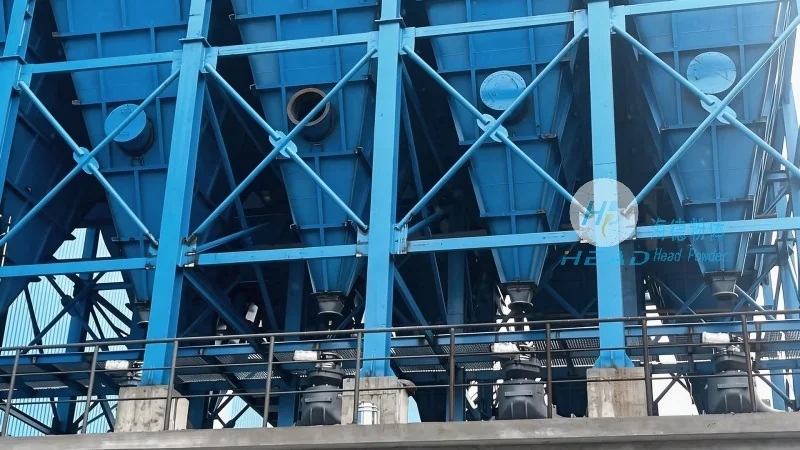
HeadPowder's Expertise in Coke Pneumatic Conveying
Shandong HeadPowder Engineering Co., Ltd. leverages its extensive experience and technical expertise to design, manufacture, and install coke pneumatic conveying systems tailored to specific customer needs. The company's engineers work closely with clients to assess operational requirements, material characteristics, and site conditions to recommend the most suitable system configuration. Whether a negative pressure or positive pressure solution is required, HeadPowder provides comprehensive solutions that enhance material handling efficiency, reduce operational costs, and improve overall plant performance.
Conclusion
Negative and positive pressure pneumatic conveying systems represent advanced solutions for coke handling, offering significant advantages over traditional methods. By understanding the operational principles and applications of each system, industrial facilities can select the most appropriate technology to meet their material transport needs. With its commitment to quality and innovation, Shandong HeadPowder Engineering Co., Ltd. continues to provide reliable and efficient coke pneumatic conveying systems that support the operational demands of modern industrial processes.