

[Rice Flour Pneumatic Conveying System Explained]
Rice flour pneumatic conveying systems are specialized equipment designed to transport rice flour efficiently and safely. These systems utilize air pressure to move the fine powder through pipelines, offering a cost-effective and hygienic solution for various industrial applications. As a key component in the food processing industry, such systems play a crucial role in maintaining product quality and operational efficiency.
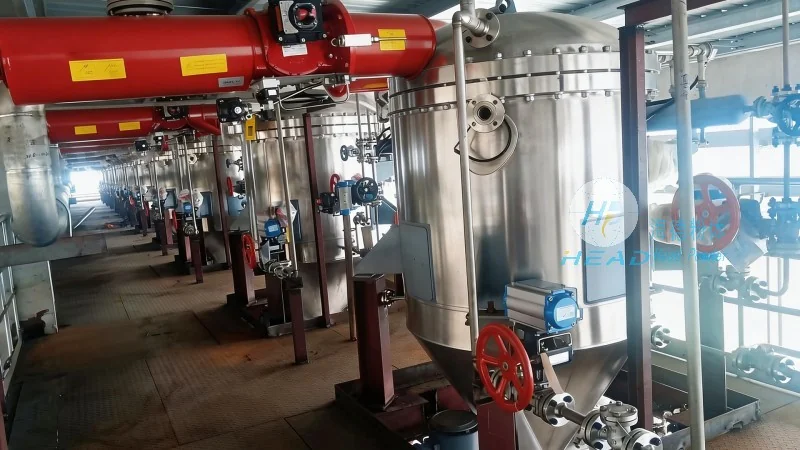
Key Components of a Rice Flour Pneumatic Conveying System
A typical rice flour pneumatic conveying system consists of several essential components. The primary elements include a hopper for material storage, a feeder to control the flow rate, a conveying line with appropriate piping, and a receiver for the discharged material. Additionally, the system may incorporate air compressors, filters, and dust collection units to ensure optimal performance and environmental compliance. Each component is carefully selected to handle the unique properties of rice flour, such as its fine particle size and potential for static electricity.
How Pneumatic Conveying Works for Rice Flour
The operation of a rice flour pneumatic conveying system involves the creation of a pressure differential within the conveying line. Air is supplied by a compressor, and the rice flour is introduced into the system via the feeder. As the air flows through the line, it lifts and transports the flour particles. The system can operate in either positive or negative pressure modes, depending on the specific requirements of the application. Positive pressure systems are commonly used for long-distance or high-capacity transport, while negative pressure systems are suitable for short-distance or low-volume conveying.
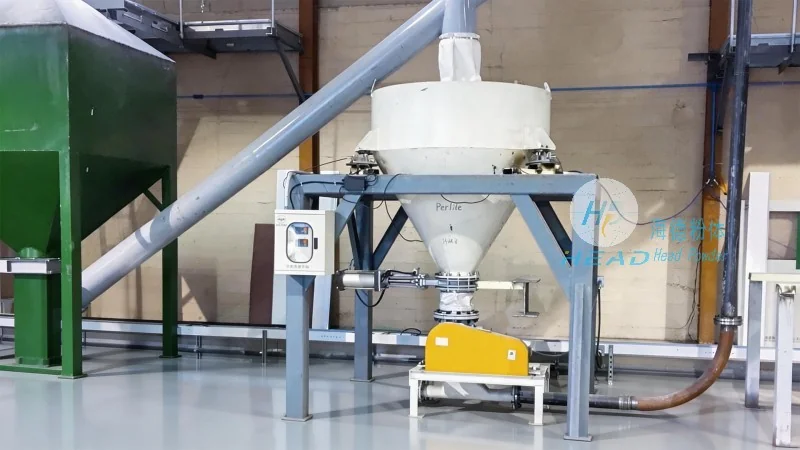
Benefits of Using Pneumatic Conveying for Rice Flour
Implementing a pneumatic conveying system for rice flour offers numerous advantages. Firstly, it minimizes product contamination and exposure to external elements, ensuring the purity of the flour. Secondly, the system reduces labor costs by automating the material handling process. Thirdly, it enhances operational efficiency by providing consistent and reliable transport. Additionally, pneumatic conveying systems are compact and can be integrated into existing production lines without significant modifications. These benefits make them an attractive choice for manufacturers seeking to improve their production processes.
Applications of Rice Flour Pneumatic Conveying Systems
Rice flour pneumatic conveying systems are widely used in various industries. In the food processing sector, they are employed in the production of rice-based products, such as instant noodles, rice cakes, and baby food. The systems are also utilized in the pharmaceutical industry for the transport of rice flour-based excipients. Furthermore, they find applications in the chemical and agricultural sectors for handling rice flour as a raw material. The versatility of these systems allows them to adapt to different production scales and operational conditions.
Choosing the Right Pneumatic Conveying System for Rice Flour
When selecting a pneumatic conveying system for rice flour, several factors must be considered. The first is the material's properties, including particle size, moisture content, and flowability. The second is the required conveying capacity and distance. The third is the environmental and safety regulations that must be adhered to. It is essential to consult with experienced suppliers who can provide customized solutions based on these factors. Shandong HeadPowder Engineering Co., Ltd., a leading manufacturer in this field, offers a range of systems tailored to meet the specific needs of rice flour processing plants.
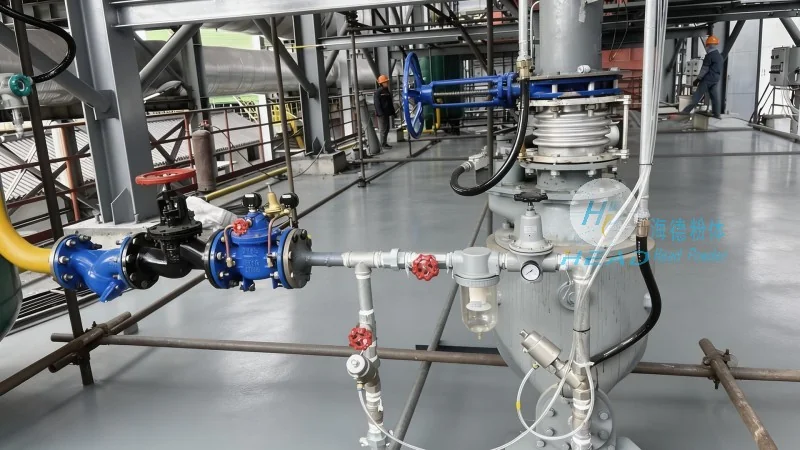
Maintenance and Troubleshooting for Rice Flour Pneumatic Conveying Systems
To ensure the longevity and efficiency of a rice flour pneumatic conveying system, regular maintenance is crucial. This includes cleaning the conveying lines and filters to prevent clogging, checking the air compressor for proper operation, and inspecting the feeder for wear and tear. Common issues that may arise include blockages in the pipeline, air leaks, and excessive pressure drops. Proper troubleshooting techniques, such as checking for air leaks or adjusting the feeder speed, can help resolve these problems quickly. Regular maintenance not only extends the system's lifespan but also maintains the quality of the transported rice flour.
Conclusion
Rice flour pneumatic conveying systems are a vital technology in the food processing industry, offering efficient and hygienic solutions for material handling. By understanding the key components, operation principles, and benefits of these systems, manufacturers can make informed decisions when selecting and implementing them. Shandong HeadPowder Engineering Co., Ltd., with its expertise and customized solutions, plays a significant role in supporting the rice flour processing industry with reliable pneumatic conveying systems.