

[Powdered Mineral Pneumatic Conveying Technology: Principles, Applications, and Development Trends]
HeadPowder, a leading engineering firm based in Shandong, China, specializes in advanced pneumatic conveying solutions for handling powdered minerals. This article explores the fundamental principles, practical applications, and emerging trends in this critical industrial technology.
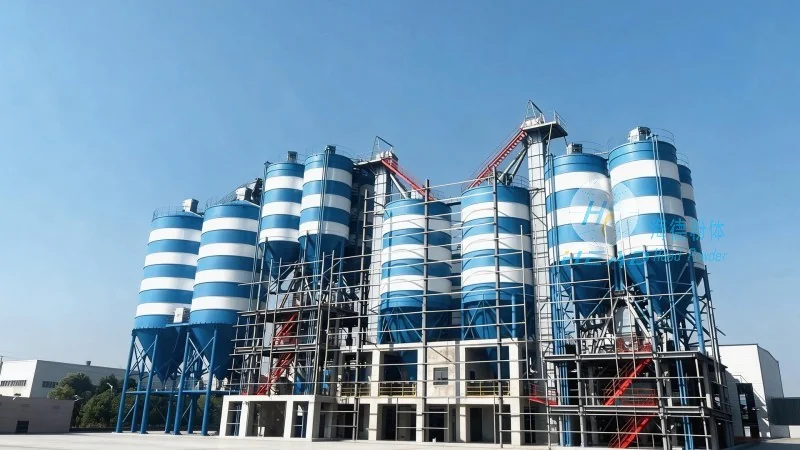
Principles of Pneumatic Conveying for Mineral Powders
Pneumatic conveying systems utilize air or gas as the medium to transport dry bulk materials, such as mineral powders, through pipelines. The core principle involves creating a pressure differential that propels the material forward. There are two primary categories: pressure and vacuum systems. Pressure systems operate by blowing air or gas into the pipeline under pressure, while vacuum systems draw material into the system using a vacuum pump. The choice between these systems depends on factors like material characteristics, distance, and system complexity. For mineral powders, which often have varying particle sizes and densities, the system design must account for flow rates, pressure drops, and material segregation to ensure efficient and reliable transport.
Key Components and System Design
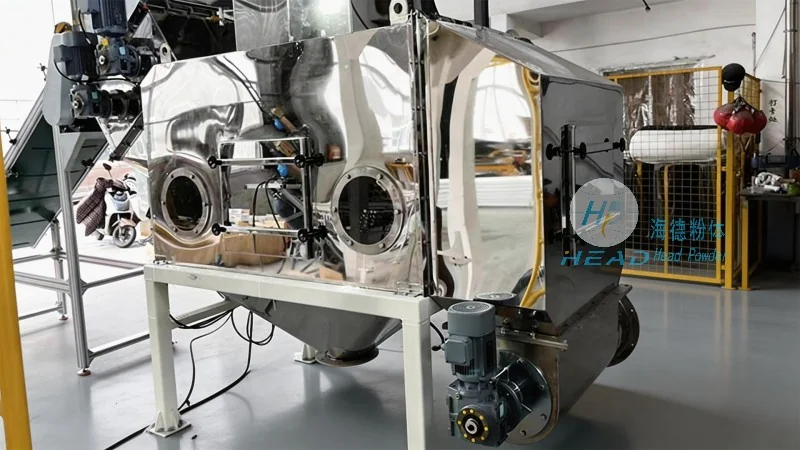
The effectiveness of a pneumatic conveying system for mineral powders hinges on its well-designed components. These typically include a hopper or feeder to feed the material into the system, a compressor or vacuum pump to generate the necessary air flow, a pipeline network to transport the material, and a receiver or discharge point to collect the material at the destination. The hopper design is crucial as it must prevent material bridging and ensure consistent feeding. The compressor or vacuum pump must be sized appropriately to handle the material's specific properties, such as moisture content and particle size distribution. The pipeline diameter and length are critical parameters that affect pressure drop and overall system efficiency. Proper sealing and maintenance of components are also essential to minimize material loss and system downtime.
Applications in Mineral Processing Industries
Pneumatic conveying technology is widely adopted in various mineral processing applications. In mining operations, it is used to transport ore from crushers and screens to storage silos or processing plants. In cement production, it facilitates the handling of raw materials like limestone, clay, and iron ore. The technology is also essential in chemical and pharmaceutical industries for transporting powdered chemicals and raw materials. For example, in a copper mining facility, pneumatic conveying can efficiently move crushed copper ore from the crushing plant to the grinding and flotation units, reducing material handling costs and improving operational efficiency. Similarly, in a cement plant, it enables the seamless transfer of raw materials from storage silos to the kiln, ensuring a continuous production process.
Advantages of Pneumatic Conveying for Mineral Powders
Compared to traditional mechanical conveying methods like belt conveyors or bucket elevators, pneumatic conveying offers several advantages for mineral powders. One of the key benefits is the ability to handle materials with high moisture content or sticky properties without clogging the system. This is particularly important for mineral powders that may adhere to surfaces, as the air flow helps prevent material buildup. Another advantage is the reduced risk of material contamination, as the system is enclosed and can be designed to meet stringent hygiene standards. Additionally, pneumatic conveying systems are more flexible in terms of layout, allowing for vertical and horizontal transport in a single pipeline, which simplifies the overall plant design. The technology also minimizes dust generation during transport, contributing to a safer and more environmentally friendly operation.
Challenges and Mitigation Strategies
Despite its benefits, pneumatic conveying of mineral powders comes with challenges that must be addressed. One common issue is material segregation, where different particle sizes or densities separate during transport, leading to uneven material distribution at the discharge point. This can affect downstream processing steps and product quality. To mitigate this, system designers may incorporate features like mixing sections or use air classifiers to maintain a uniform particle size distribution. Another challenge is the high pressure drop in long pipelines, which can reduce system efficiency and increase energy consumption. Solutions include using larger diameter pipelines, optimizing the air flow rate, or employing booster pumps to maintain the necessary pressure. Corrosion and wear of components due to abrasive mineral powders are also concerns. Proper material selection for pipeline and component construction, such as stainless steel or high-grade alloys, can help extend the system's lifespan and reduce maintenance costs.
Emerging Trends and Technological Innovations
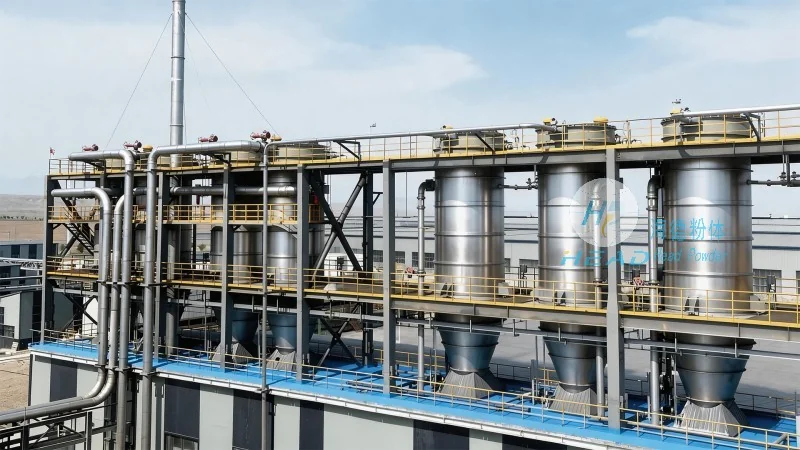
The field of pneumatic conveying for mineral powders is continuously evolving with technological advancements. One emerging trend is the integration of automation and control systems to optimize system performance. Modern pneumatic conveying systems now feature sensors and control panels that monitor pressure, flow rate, and material level in real-time, allowing for automated adjustments to maintain optimal operation. This not only improves efficiency but also reduces the risk of human error. Another innovation is the use of advanced materials and coatings to enhance system durability. For instance, anti-corrosive coatings on pipelines and components can withstand the harsh conditions of mineral powders, extending their service life. Additionally, the development of low-energy pneumatic conveying systems is gaining traction, as industries strive to reduce operational costs and environmental impact. These systems utilize more efficient compressors and optimized air flow designs to minimize energy consumption while maintaining transport capacity.
Conclusion
Pneumatic conveying technology remains a vital and efficient method for transporting mineral powders in various industrial applications. With its ability to handle diverse material properties and provide flexible system designs, it continues to be a preferred choice over traditional mechanical conveying methods. As technology advances, the integration of automation, advanced materials, and energy-efficient designs will further enhance the performance and reliability of pneumatic conveying systems. For industries relying on mineral processing, adopting and optimizing these systems will be crucial for maintaining operational efficiency and competitiveness in the market.