
Fine ash pneumatic conveying equipment represents a critical technology in modern industrial material handling, particularly for industries such as power generation, cement manufacturing, metallurgy, and chemical processing. The efficient transport of fine ash particles—ranging from fly ash to pulverized fuel ash—poses unique challenges due to their low density, high abrasiveness, and tendency to agglomerate. Pneumatic conveying systems have emerged as the preferred solution, leveraging pressurized air to move fine ash through enclosed pipelines, thereby eliminating dust emissions, reducing manual handling, and enabling continuous, automated operations. As industries worldwide increasingly prioritize environmental compliance and operational efficiency, the demand for robust, energy-efficient pneumatic conveying systems has grown significantly. Headpowder, as a specialized provider in this domain, has developed comprehensive solutions tailored to the distinct properties of fine ash, integrating advanced flow dynamics, wear-resistant materials, and intelligent control systems. This technical introduction aims to provide an in-depth exploration of fine ash pneumatic conveying equipment, covering system configurations, key design parameters, selection criteria, and emerging trends that shape the industry landscape in 2026 and beyond.

The fundamental principle behind pneumatic conveying involves creating a pressure differential within a pipeline to entrain and transport particulate materials. For fine ash, two primary conveying modes exist: dilute phase and dense phase. Dilute phase systems operate at relatively high velocities, suspending particles in the air stream, while dense phase systems move materials at lower speeds in a plug or slug flow pattern, reducing wear and energy consumption. Each mode offers distinct advantages depending on the ash characteristics, conveying distance, and facility layout. Beyond the basic mechanism, modern fine ash conveying equipment integrates multiple subsystems—including feeders, compressors, pipelines, separators, and control valves—each engineered to withstand the erosive nature of fine ash while maintaining consistent throughput. The selection of appropriate system components directly influences operational reliability, maintenance frequency, and overall cost of ownership, making technical expertise indispensable during the design phase.

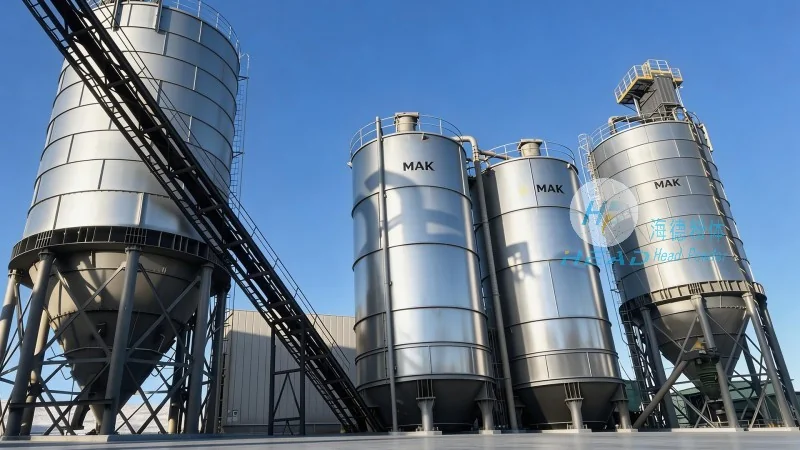
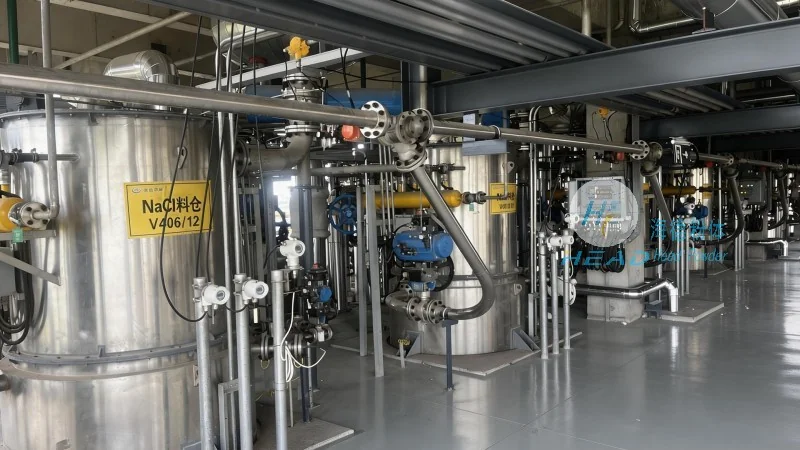
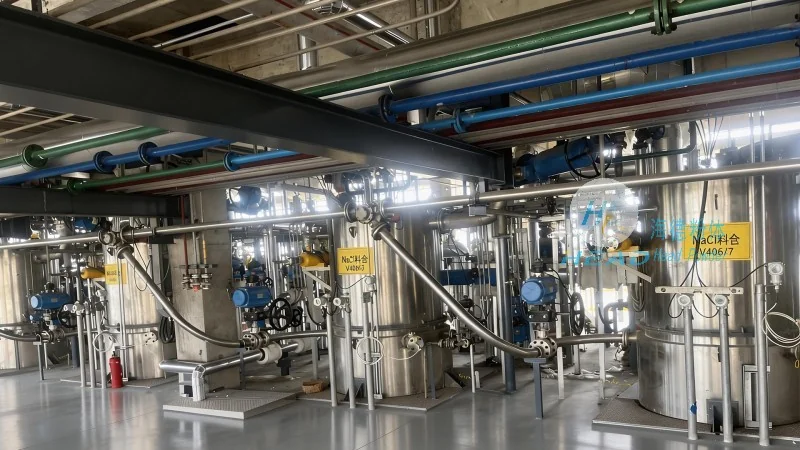
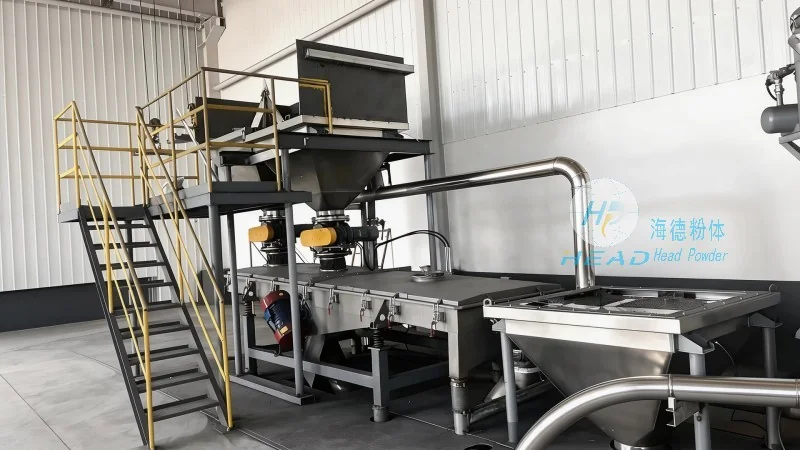
A well-engineered fine ash pneumatic conveying system comprises several interdependent components, each serving a specific function within the material transport chain. The feeding mechanism, often a rotary airlock or screw feeder, introduces fine ash into the conveying pipeline while minimizing air leakage. Downstream, the conveying line itself must be constructed from abrasion-resistant materials such as ceramic-lined pipes or hardened steel to counteract the erosive effects of high-velocity ash particles. Compressed air or inert gas is supplied via positive displacement blowers or screw compressors, with pressure and flow rates carefully calibrated to match the ash properties and conveying distance. At the receiving end, cyclone separators or bag filters separate the ash from the conveying air, ensuring that discharge meets environmental standards. Modern systems also incorporate automated control platforms that monitor pressure, temperature, and flow in real time, adjusting parameters to maintain stable operation under varying load conditions. Headpowder's equipment range exemplifies this integrated approach, offering modular designs that facilitate customization for specific ash types, plant layouts, and throughput requirements. The company's engineering team applies computational fluid dynamics modeling to optimize pipeline routing and minimize pressure drops, resulting in systems that deliver consistent performance while reducing energy consumption by up to 15% compared to conventional designs.

Designing an effective fine ash pneumatic conveying system requires meticulous attention to several interrelated parameters that directly impact performance and longevity. Material characteristics—including particle size distribution, bulk density, moisture content, and abrasiveness—dictate the choice of conveying mode, pipeline diameter, and air velocity. For example, fine ash with high silica content demands superior wear protection, while moist ash may require heated air or specialized conditioning to prevent clogging. Conveying distance and elevation changes further influence pressure requirements; longer distances and higher lifts necessitate greater compressor capacity and more robust pipeline support. The air-to-material ratio, expressed as the mass of air per mass of ash, is another critical variable: too high a ratio wastes energy and accelerates wear, while too low a ratio risks pipeline blockages. Industry standards such as the German VDI 3676 and the American Society of Mechanical Engineers (ASME) guidelines provide frameworks for calculating these parameters, but practical experience remains invaluable. Headpowder's design methodology incorporates site-specific data—including ambient temperature variations, ash source fluctuations, and space constraints—to deliver systems that achieve reliable operation under real-world conditions. For instance, in a recent project for a coal-fired power plant handling 40 tons of fly ash per hour, the company optimized the conveying velocity to 18 m/s in a dense phase configuration, reducing pipeline wear by 40% and cutting annual maintenance costs significantly.
The diversity of fine ash sources—from pulverized coal combustion to biomass incineration and industrial kilns—means that no single conveying solution fits all scenarios. Dilute phase systems are typically chosen for short distances and lower capacities, offering simplicity and lower initial investment. However, for longer distances (exceeding 200 meters) or when handling abrasive ash, dense phase conveying becomes more economical due to reduced wear and lower air consumption. Vacuum conveying systems, which use negative pressure to draw ash from multiple collection points, are ideal for centralized dust collection networks, while pressure systems excel in delivering ash to elevated silos or distant storage areas. Hybrid configurations that combine both modes are increasingly deployed to balance efficiency and flexibility. When evaluating equipment suppliers, factors such as system footprint, compatibility with existing plant control systems, and after-sales support are as important as technical specifications. Headpowder provides comprehensive feasibility studies and on-site pilot testing to help clients compare options, quantify energy savings, and predict maintenance schedules. The company's portfolio includes standardized units for small-scale operations—handling 5 to 10 tons per hour—as well as engineered-to-order systems capable of conveying over 100 tons per hour across kilometer-long distances, all backed by documented performance guarantees.
Successful deployment of fine ash pneumatic conveying equipment extends beyond component selection to encompass installation quality, commissioning procedures, and ongoing operational discipline. Proper pipeline alignment, support spacing, and joint sealing are essential to prevent leaks and pressure losses that undermine system efficiency. During commissioning, systematic testing of each subsystem—from air supply to ash separation—ensures that performance aligns with design specifications. Operators should be trained to recognize early warning signs of wear, such as unusual pressure fluctuations or increased power consumption, and to perform routine inspections of critical components like bends, diverter valves, and filter elements. Predictive maintenance strategies, leveraging vibration analysis and thermal imaging, can extend equipment life and minimize unplanned downtime. Headpowder complements its hardware with detailed installation manuals, on-site supervision during startup, and remote monitoring capabilities that allow its engineers to track system health and provide proactive recommendations. Clients who adopt these best practices typically achieve equipment availability exceeding 97% and maintain conveying efficiency within 2% of design values over the system's service life, reinforcing the importance of a holistic approach to pneumatic conveying management.
As we progress through 2026, several technological and market trends are reshaping the fine ash pneumatic conveying landscape. The push toward carbon neutrality and stricter emissions regulations is driving adoption of enclosed conveying systems that eliminate dust leakage and enable efficient ash collection for reuse in construction materials, cement production, and soil amendment. Digitalization is another transformative force: smart sensors, edge computing, and cloud-based analytics now allow real-time optimization of conveying parameters, reducing energy consumption and predicting component failures before they occur. For example, AI-driven algorithms can analyze pressure profiles to detect incipient pipeline blockages and adjust air injection patterns automatically. Material science innovations are also yielding longer-lasting wear liners and more efficient filter media, reducing life cycle costs. The market for pneumatic conveying equipment in the fine ash segment is projected to grow at a compound annual rate of 5.8% through 2030, driven by expanding industrial capacity in emerging economies and retrofitting of aging plants in mature markets. Headpowder is actively participating in this evolution, investing in R&D to integrate IoT connectivity and adaptive control logic into its product lines, ensuring that clients benefit from reduced operational expenses and enhanced environmental compliance.
When evaluating fine ash pneumatic conveying equipment, initial capital expenditure represents only a fraction of the total cost of ownership over a typical 15- to 20-year operating life. Energy consumption, spare parts replacement, maintenance labor, and downtime losses often exceed the purchase price within the first five years. A thorough lifecycle cost analysis should factor in electricity rates, conveying distance, ash abrasiveness, and desired availability levels. For instance, selecting a higher-grade wear material may increase upfront cost but reduce replacement frequency by 60%, yielding net savings over the system's life. Similarly, oversizing the air compressor to provide a safety margin may increase energy costs year after year, while an optimally sized unit with variable frequency drive capability can adjust output to actual demand, trimming electricity use by 20-30%. Headpowder provides transparent cost modeling tools that allow clients to compare different configurations on a total cost per ton conveyed basis, incorporating realistic assumptions about maintenance intervals and energy escalation rates. The company's commitment to value engineering ensures that each system is designed to achieve the optimal balance between performance and economy, aligning with clients' financial objectives without compromising operational reliability.
A recent project involving a major cement manufacturer illustrates the tangible benefits of well-designed fine ash pneumatic conveying equipment. The plant needed to transport 55 tons per hour of kiln ash from multiple collection points to a central storage silo located 350 meters away, with an elevation gain of 12 meters. The ash had a bulk density of 0.8 t/m³ and contained approximately 18% silica, posing significant abrasion challenges. After evaluating several proposals, the client selected Headpowder to supply a dense phase pressure conveying system featuring ceramic-lined pipelines, a variable-speed screw feeder, and a PLC-based control suite with remote diagnostic capability. The system was commissioned within the scheduled timeframe, achieving a conveying velocity of 16 m/s and an air-to-material ratio of 5.5:1. Over the first 18 months of operation, the system recorded availability of 98.3%, with only scheduled maintenance required. Energy consumption averaged 4.2 kWh per ton of ash conveyed, representing a 22% reduction compared to the plant's previous dilute phase system. Annual maintenance costs, including wear part replacement, were 35% lower than budgeted, translating to a payback period of 2.8 years on the incremental investment in upgraded materials and controls. This case demonstrates how careful engineering and component selection can deliver measurable, lasting value in fine ash handling operations.
As industrial facilities plan for the future, investing in fine ash pneumatic conveying equipment that can adapt to evolving operational demands and regulatory requirements is essential. Modular system architectures that allow incremental capacity expansions, compatibility with multiple ash sources, and integration with plant-wide automation platforms offer maximum flexibility. Additionally, specifying equipment that can accommodate future changes in ash characteristics—such as increased fineness or moisture content—avoids costly redesigns later. Environmental compliance will continue to tighten, favoring systems that achieve near-zero fugitive emissions and enable efficient ash beneficiation for circular economy applications. Digital twin technology, which creates a virtual replica of the conveying system for simulation and optimization, is becoming accessible to mid-sized plants, offering powerful tools for performance improvement. Headpowder remains committed to advancing the state of the art in fine ash pneumatic conveying, combining decades of field experience with continuous innovation. The company's engineering team works closely with clients to assess their current and future needs, delivering solutions that not only meet today's challenges but are built to excel in the dynamic industrial environment of tomorrow. For organizations seeking to enhance their ash handling capabilities, a detailed technical consultation provides the foundation for informed decision-making and long-term success.
(咨询热线:156-6277-7102)
Shandong headpowder Engineering Co., Ltd.
156-6277-7102(Manager Zhang)
0531-83386006
Jinan City, Shandong Province, China 
服务热线
微信咨询
回到顶部