

Introduction to Bamboo Powder Pneumatic Conveying Systems: Structure and Working Principles
Bamboo powder pneumatic conveying systems are specialized industrial equipment designed to transport bamboo powder efficiently and safely. These systems are widely used in the bamboo processing industry, particularly in applications such as raw material handling, product packaging, and quality control. The primary goal of these systems is to move bamboo powder from one location to another without the need for traditional mechanical conveying methods, which can be less efficient or more prone to contamination. By leveraging the principles of pneumatic transport, these systems offer a reliable solution for handling fine, lightweight powders like bamboo powder.
Key Components of a Bamboo Powder Pneumatic Conveying System
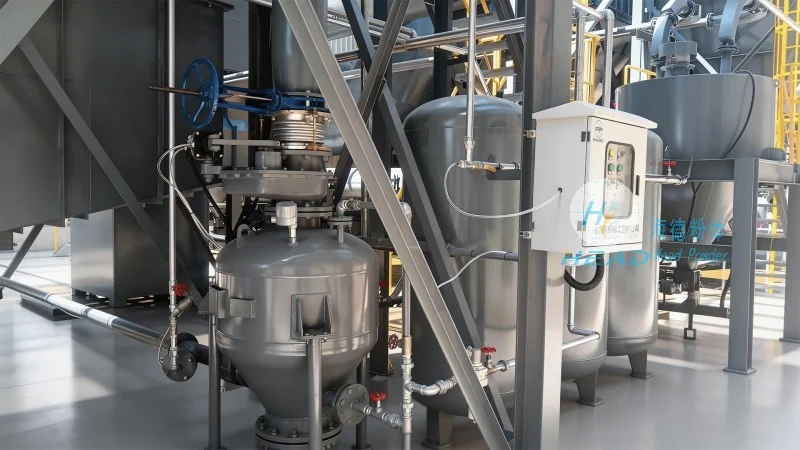
A typical bamboo powder pneumatic conveying system consists of several core components that work in tandem to ensure smooth operation. The main components include a hopper for material storage, a feeder to control the flow of powder, a conveying line (often equipped with a pipeline), a receiver to collect the conveyed material, and a dust collector to manage airborne particles. Each component plays a critical role in the overall performance and efficiency of the system.
The hopper is the initial storage unit where raw bamboo powder is placed. It is designed to hold a sufficient quantity of material to ensure continuous operation without frequent refilling. The feeder, usually a rotary valve or a screw feeder, regulates the flow of powder from the hopper into the conveying line. This control is essential to prevent overloading the system and to maintain consistent conveying rates. The conveying line, typically made of stainless steel or other corrosion-resistant materials, is where the powder is transported under pressure. The receiver, often a storage tank or a processing unit, collects the material at the destination. Finally, the dust collector is integrated to capture any fine particles that may escape during the conveying process, ensuring environmental compliance and product purity.
Working Principle of Bamboo Powder Pneumatic Conveying
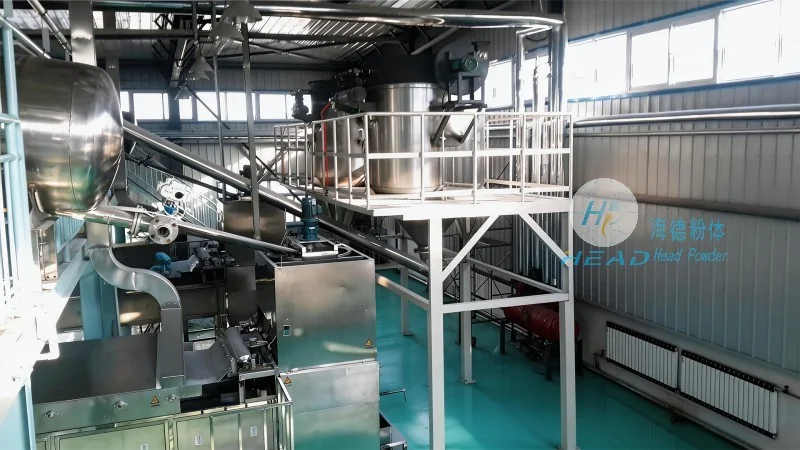
The operation of a bamboo powder pneumatic conveying system is based on the principle of air movement. There are two main types of pneumatic conveying systems: pressure and vacuum. In a pressure system, compressed air is introduced into the conveying line, creating a positive pressure that pushes the powder forward. The compressed air is then released at the receiver, allowing the powder to settle out. In a vacuum system, a vacuum pump creates a negative pressure that draws the powder from the hopper into the line and towards the receiver. Both systems rely on the interaction between the powder particles and the air flow to achieve efficient transport.
During the conveying process, the bamboo powder is suspended in the air stream, moving through the pipeline. The velocity of the air and the particle size determine the efficiency of the transport. Proper design of the system, including the size of the pipeline and the air velocity, is crucial to prevent particle segregation or blockages. The system also includes control mechanisms to adjust the air pressure or vacuum level as needed, ensuring optimal performance under varying conditions.
Advantages of Using Bamboo Powder Pneumatic Conveying Systems
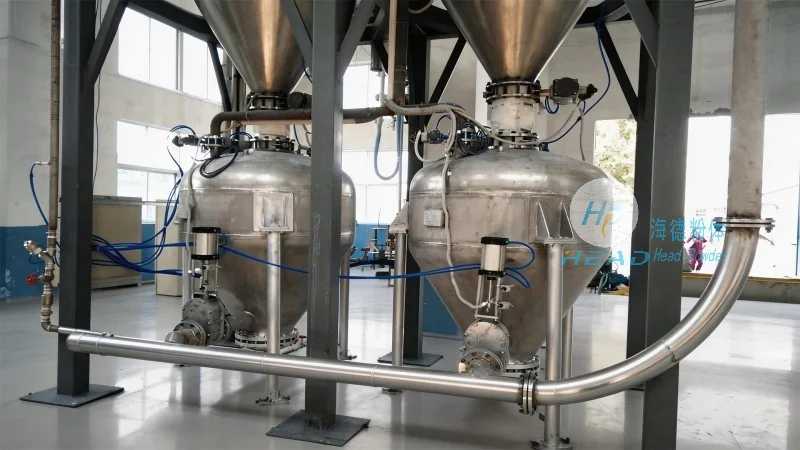
Implementing a bamboo powder pneumatic conveying system offers several advantages over traditional conveying methods. First, it provides a closed system, which helps maintain product purity and prevents contamination from external sources. This is particularly important for bamboo powder, which is often used in food or pharmaceutical applications where hygiene is critical. Second, these systems are highly efficient in terms of energy consumption and operational costs. By eliminating the need for mechanical components like belts or chains, the systems reduce maintenance requirements and extend the lifespan of the equipment. Third, the systems are flexible and can be easily integrated into existing production lines. They can handle varying powder quantities and can be adjusted to accommodate different processing needs. Finally, the systems are compact and can be installed in limited spaces, making them suitable for various industrial settings.
Applications in the Bamboo Processing Industry
Bamboo powder pneumatic conveying systems find extensive applications in the bamboo processing industry. In raw material handling, they are used to transport bamboo powder from storage silos to processing units, ensuring a steady supply of material for production. During the processing stage, these systems can convey the powder to mixing or grinding equipment, facilitating the production of bamboo-based products such as paper, fiber, or composite materials. In quality control, the systems are employed to transport samples of bamboo powder for testing, ensuring that the product meets the required specifications. Additionally, they are used in packaging operations, where the powder is conveyed from processing units to packaging machines, enabling efficient and hygienic packaging of bamboo powder products.
Installation and Maintenance Considerations
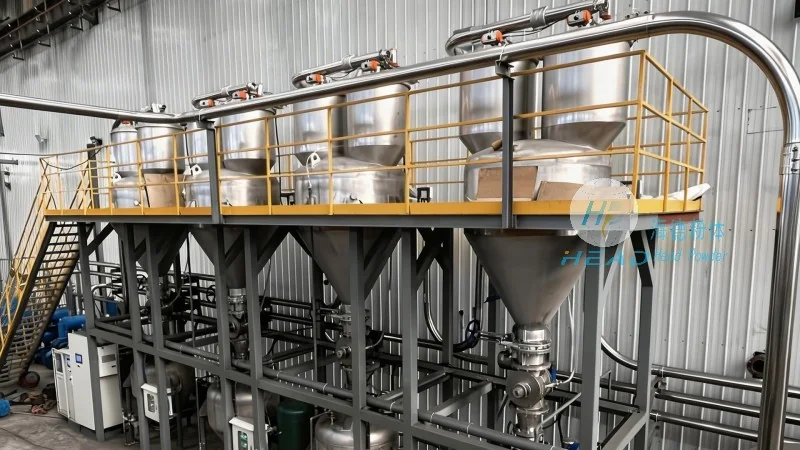
Proper installation and regular maintenance are essential to ensure the long-term performance and reliability of a bamboo powder pneumatic conveying system. Installation should be carried out by qualified professionals who understand the specific requirements of the system and the properties of bamboo powder. The system should be positioned to minimize the risk of blockages and to ensure smooth material flow. Regular maintenance includes checking the condition of the hopper and feeder, inspecting the conveying line for any signs of wear or damage, and cleaning the dust collector to prevent clogging. It is also important to monitor the air pressure or vacuum levels and adjust them as needed to maintain optimal conveying performance. By following these maintenance practices, the system can operate efficiently and provide consistent performance over an extended period.
Conclusion
Bamboo powder pneumatic conveying systems are a vital component in the bamboo processing industry, offering efficient, hygienic, and reliable transport of bamboo powder. By understanding the structure and working principles of these systems, manufacturers can make informed decisions about their implementation and maintenance. The systems provide numerous benefits, including improved product quality, reduced operational costs, and enhanced flexibility in production. As the demand for bamboo-based products continues to grow, the importance of these systems in ensuring efficient material handling will only increase. For businesses operating in the bamboo processing sector, investing in a well-designed pneumatic conveying system is a strategic decision that can lead to improved productivity and competitiveness.