

Introduction to Pharmaceutical Powder Pneumatic Conveying Equipment: Structure and Working Principle
Pharmaceutical powder pneumatic conveying equipment is a specialized system engineered to transport fine powders, such as active pharmaceutical ingredients (APIs) and other medicinal powders, with precision and reliability. This equipment is integral to pharmaceutical manufacturing processes, enabling the safe and efficient movement of sensitive materials throughout production stages. The system combines pneumatic technology with mechanical components to achieve seamless material handling, minimizing the risk of contamination and preserving product integrity.
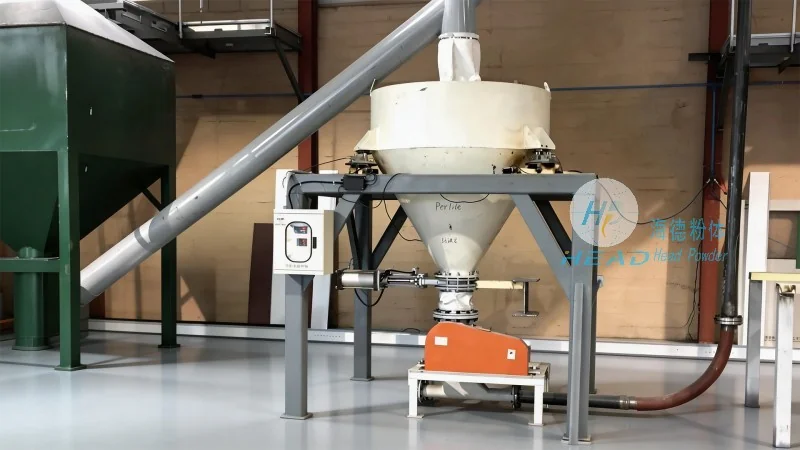
Key Structural Components and Their Functions
The pharmaceutical powder pneumatic conveying system comprises several core components, each designed to work in concert to facilitate efficient powder transport. The primary components include a feeding hopper, a conveying line (operating under positive or negative pressure), a control unit, and a discharge outlet. The feeding hopper serves as the storage and metering unit, ensuring a consistent flow of powder into the conveying line. The conveying line may utilize either a blow-through (positive pressure) or suction (negative pressure) mechanism, depending on the material's characteristics and the required transport distance. The control unit manages system operations, regulating pressure, flow rate, and other parameters to optimize performance and prevent issues like blockages or over-pressurization. The discharge outlet delivers the powder to the subsequent production stage, such as blending, packaging, or further processing. Additionally, the system may include auxiliary components like air filters, particle separators, and temperature control units to enhance performance and ensure product quality. For example, air filters are used to remove dust and particulate matter from the air, while particle separators help separate any oversized particles or contaminants from the powder stream, ensuring that only the desired powder reaches the final destination.
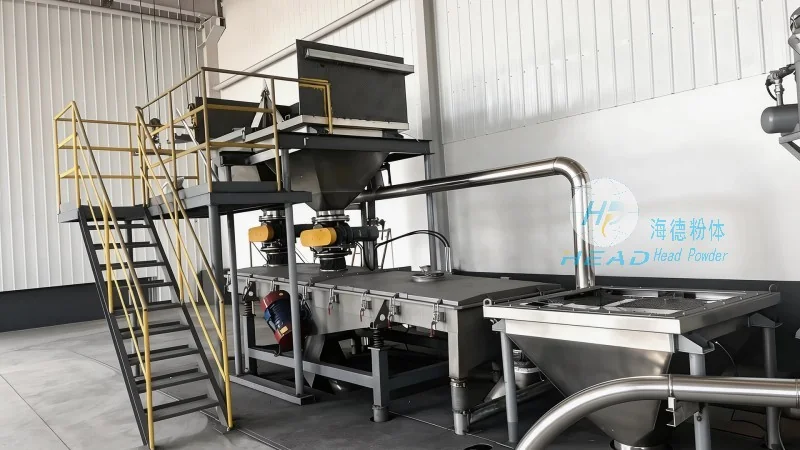
Working Principles and Operational Mechanisms
The operation of pharmaceutical powder pneumatic conveying equipment is based on the principles of fluidization and particle suspension. In a positive pressure system, compressed air is introduced into the conveying line, creating a flow that lifts and transports the powder particles. The air velocity is carefully controlled to maintain the powder in a suspended state, preventing it from settling or clogging the line. In a negative pressure system, a vacuum is created at the discharge end, drawing the powder through the conveying line. Both systems rely on the interaction between the air flow and the powder particles to achieve effective transport. The equipment is designed with features such as air filtration and particle separation to ensure that the powder remains clean and free from contaminants, which is essential in pharmaceutical applications where product purity is paramount. Additionally, the system may include temperature control mechanisms to maintain the powder at a stable temperature, preventing degradation or moisture absorption. The control unit often includes sensors that monitor pressure, flow, and temperature in real-time, allowing for immediate adjustments to maintain optimal operating conditions.
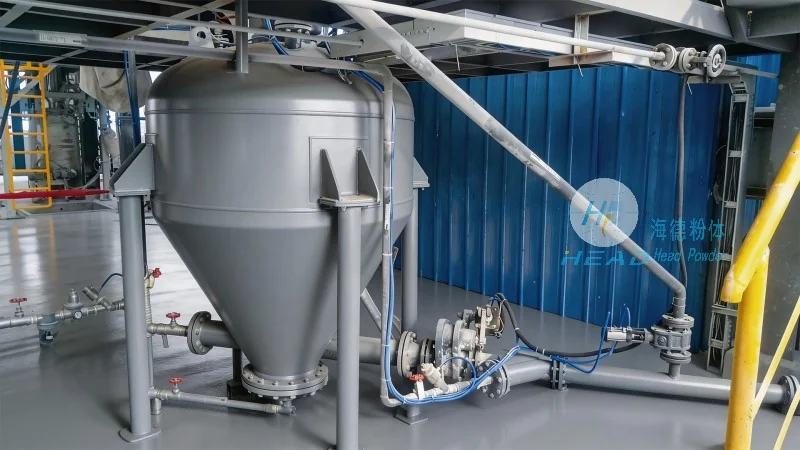
Benefits and Applications in Pharmaceutical Manufacturing
Pharmaceutical powder pneumatic conveying equipment offers significant advantages in the pharmaceutical industry, making it a critical tool for manufacturers. One of the primary benefits is the ability to handle fine and sensitive powders without causing degradation or contamination. The system minimizes direct human contact with the powder, reducing the risk of cross-contamination and ensuring compliance with regulatory standards. Another key advantage is the high efficiency and speed of material transport, which helps streamline production processes and improve overall productivity. The equipment is also versatile, capable of handling a wide range of powder types, including those with varying particle sizes, densities, and flow characteristics. In pharmaceutical manufacturing, this equipment is commonly used in processes such as raw material transfer, intermediate product handling, and final product packaging. It is particularly suitable for applications where the powder needs to be transported over short to medium distances within a facility, such as between mixing tanks, drying ovens, and packaging lines. The system's ability to maintain product integrity and prevent contamination makes it ideal for high-value pharmaceutical products, where even minor deviations can impact efficacy or safety.
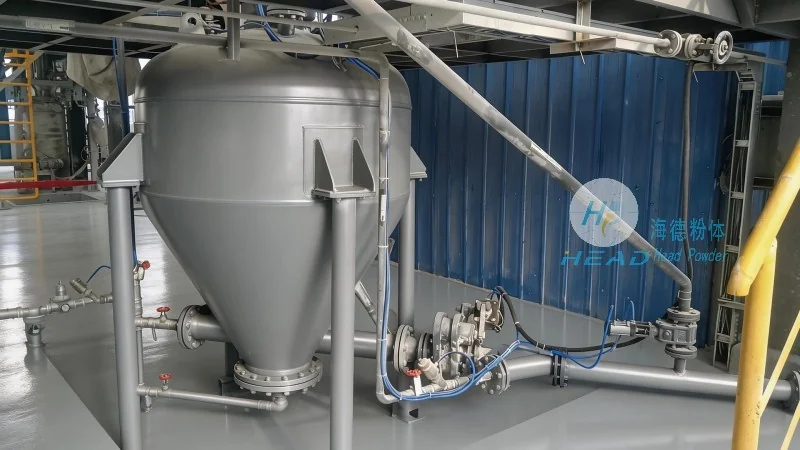
Quality Assurance and Safety Measures
Given the critical nature of pharmaceutical products, the design and operation of pneumatic conveying equipment must adhere to stringent quality and safety standards. The equipment is typically constructed from materials that are non-reactive and easy to clean, such as stainless steel, to prevent contamination from the material being handled. The system includes features like air filtration and particle separation to ensure that the powder remains free from foreign particles or airborne contaminants. Additionally, the equipment is equipped with safety sensors and alarms to detect and prevent issues like over-pressurization, blockages, or leaks. Regular maintenance and cleaning protocols are essential to maintain the equipment's performance and ensure compliance with regulatory requirements. The control unit often includes automated monitoring systems that track key parameters, such as pressure, flow rate, and temperature, providing real-time data for process optimization and troubleshooting. Furthermore, the system may incorporate validation procedures to ensure that it meets the required standards for cleanliness, efficiency, and safety, which are crucial for pharmaceutical applications.