

Sulfur Powder Pneumatic Conveying Equipment: An Introduction to Its Structure and Working Principle
HeadPowder, a leading manufacturer based in Shandong, China, specializes in the design and production of advanced sulfur powder pneumatic conveying equipment. This equipment is engineered to efficiently handle the transportation of sulfur powder, a critical material in various industrial applications. The following overview delves into the structural design and operational principles of such systems, highlighting their key components and functional mechanisms.
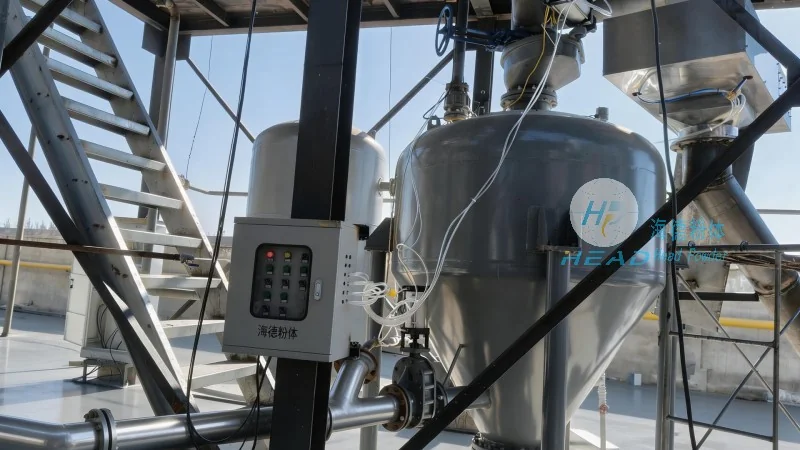
Overview of Sulfur Powder Pneumatic Conveying Equipment
Sulfur powder pneumatic conveying equipment is a specialized system used to transport sulfur powder from one location to another within industrial facilities. These systems are essential for processes that require the safe and efficient movement of bulk sulfur powder, such as in chemical manufacturing, fertilizer production, and other related industries. The equipment operates by utilizing air or gas to create a flow that carries the powder through a pipeline network, ensuring minimal dust generation and contamination.
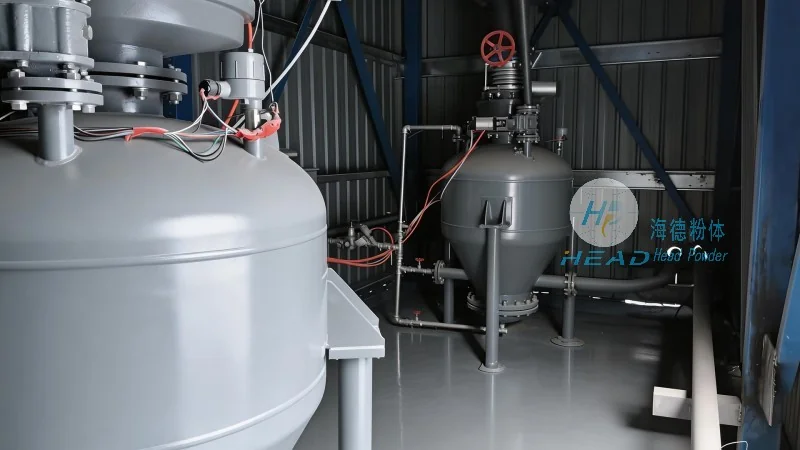
Key Structural Components of the Equipment
The sulfur powder pneumatic conveying system typically consists of several critical components that work in tandem to achieve effective material transport. These components include a feeding device, a conveying pipeline, a dust collection system, and a control unit. The feeding device is responsible for introducing the sulfur powder into the system, often using a rotary valve or a screw feeder to regulate the flow rate. The conveying pipeline is designed to withstand the pressure and temperature conditions associated with sulfur powder, ensuring durability and leak-proof performance. The dust collection system, such as a cyclone separator or a bag filter, is integrated to capture any fine particles that may escape during the conveying process, maintaining air quality and preventing environmental contamination. The control unit manages the entire operation, monitoring parameters like pressure, flow rate, and temperature to ensure optimal performance and safety.
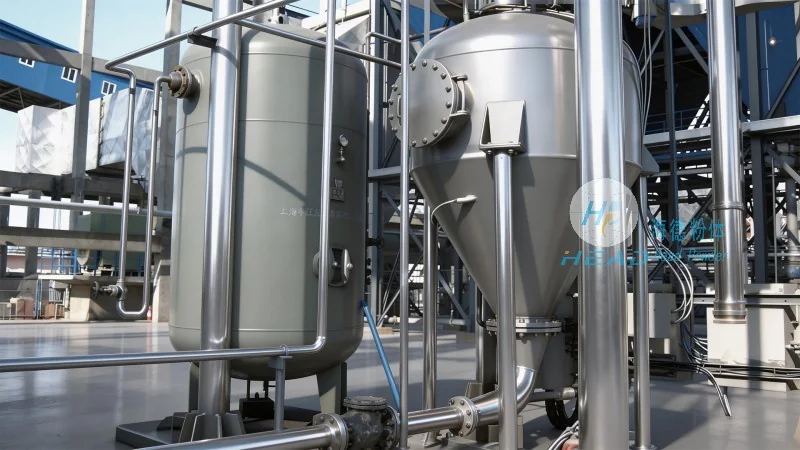
Working Principle of the Pneumatic Conveying System
The operation of the sulfur powder pneumatic conveying equipment is based on the principle of pneumatic transport, where air or gas is used to move the solid material. The system operates in two main modes: dilute phase and dense phase. In the dilute phase mode, the powder is suspended in the air stream and transported through the pipeline at relatively high velocities. This mode is suitable for short-distance transport and low to medium powder loads. In the dense phase mode, the powder is conveyed in a slurry-like state, with the air flow rate being lower, resulting in a higher powder concentration. This mode is ideal for longer distances and higher material loads, as it reduces the risk of particle degradation and blockages.
Advantages of Using Sulfur Powder Pneumatic Conveying Equipment
Implementing sulfur powder pneumatic conveying equipment offers several advantages over traditional methods like belt conveyors or manual handling. Firstly, it significantly reduces dust exposure, enhancing workplace safety and compliance with environmental regulations. Secondly, the system minimizes material degradation and contamination, preserving the quality of the sulfur powder. Thirdly, it provides a flexible and scalable solution, allowing for easy integration into existing production lines and expansion as needed. Additionally, the equipment operates with lower energy consumption compared to other bulk handling methods, contributing to cost savings and environmental sustainability.
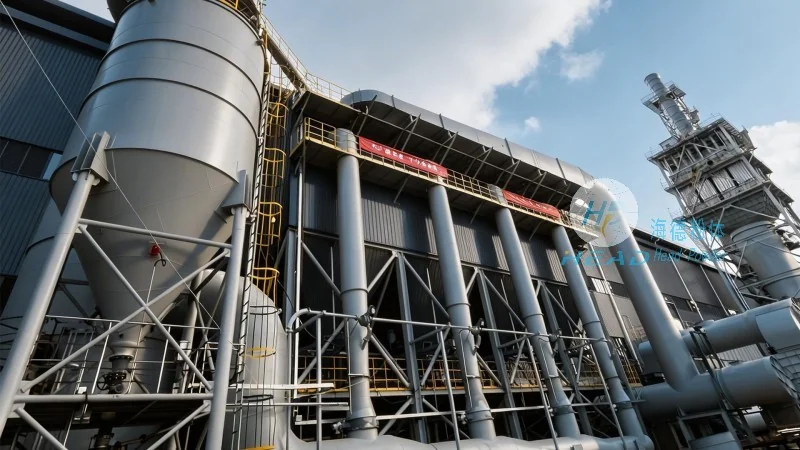
Applications and Industries
Sulfur powder pneumatic conveying equipment is widely used in various industries that rely on sulfur powder as a raw material. In the chemical industry, it is used in the production of sulfuric acid and other sulfur-based chemicals. In the fertilizer industry, it is employed in the manufacturing of sulfur-based fertilizers, such as ammonium sulfate. The equipment is also utilized in the petrochemical sector for sulfur recovery processes and in the pharmaceutical industry for the handling of sulfur-based compounds. Its versatility and efficiency make it a preferred choice for industries requiring reliable and safe bulk material transport.