

Introduction to Silicon Carbide Pneumatic Conveying Equipment: Structure and Working Principles
SiC Pneumatic Conveying Systems are specialized industrial equipment designed to transport silicon carbide (SiC) powder and other fine particulate materials through a pipeline using air or other gas as the conveying medium. These systems are widely used in various industries, including ceramics, refractory materials, and chemical processing, due to their efficiency and ability to handle abrasive and high-temperature materials like silicon carbide.
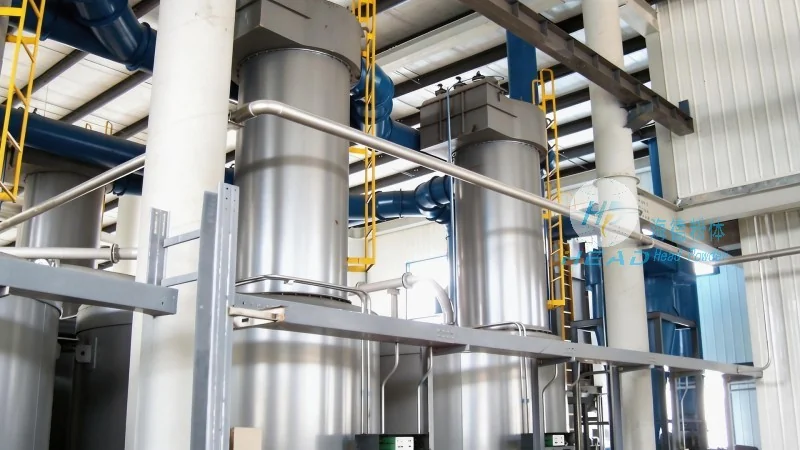
Overview of Silicon Carbide Pneumatic Conveying Equipment
Silicon carbide, a hard, brittle ceramic material with excellent thermal conductivity and wear resistance, poses unique challenges for material handling. Traditional methods such as bucket elevators or screw conveyors may not be suitable due to the material's abrasive nature and potential for dust generation. Pneumatic conveying systems offer a solution by utilizing air pressure to move SiC particles through a sealed system, minimizing contamination and improving process safety.
Key Components and Structure of SiC Pneumatic Conveying Systems
A typical SiC pneumatic conveying system consists of several core components that work in tandem to ensure efficient material transport. The main parts include the hopper, feeder, air compressor, conveying line, and receiver. Each component plays a critical role in the overall operation:
1. Hopper: The hopper is the storage vessel where SiC powder is loaded. It is designed with a sloped bottom to facilitate material flow and often includes a discharge valve to control the feed rate. The hopper may also be equipped with a dust collection system to prevent particle loss and maintain a clean environment.
2. Feeder: The feeder regulates the flow of SiC from the hopper into the conveying line. Common types include rotary valves, star feeders, or vibratory feeders, which ensure a consistent and controlled feed rate. For SiC, which can be abrasive, feeders with wear-resistant materials (such as hardened steel or ceramic linings) are often used to extend their service life.
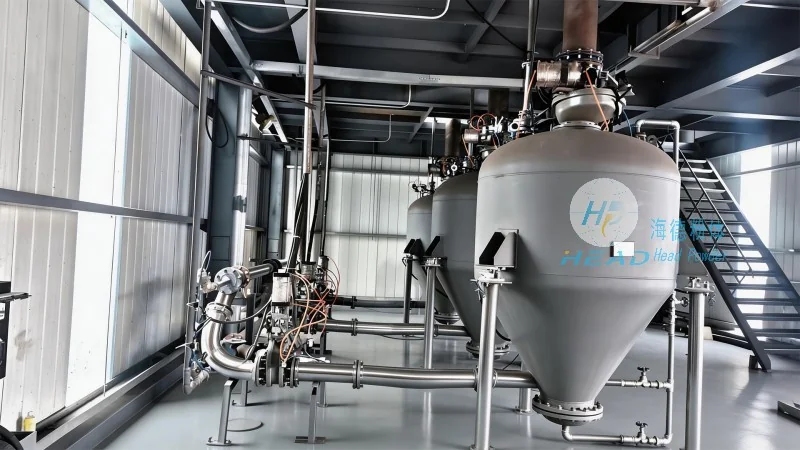
3. Air Compressor: The air compressor generates the necessary pressure to move the SiC particles through the pipeline. The choice of compressor depends on the system's capacity and the material's properties. High-pressure compressors are typically used for dense-phase conveying, where particles are suspended in a dense gas stream, reducing wear on the system and improving efficiency.
4. Conveying Line: The pipeline is the main pathway for transporting SiC. It is usually made of corrosion-resistant materials like stainless steel or PTFE-coated steel to withstand the abrasive nature of SiC and prevent material buildup. The line may include bends, elbows, and expansion joints to accommodate changes in direction and pressure.
5. Receiver: The receiver is the final storage vessel where the conveyed SiC is deposited. It is designed to handle the material's density and flow characteristics, often with a discharge valve or conveyor to transfer the material to the next process step.
Working Principles of SiC Pneumatic Conveying Systems
The operation of a SiC pneumatic conveying system involves several stages, each contributing to the efficient transport of the material. The process typically begins with the material being fed from the hopper into the conveying line. The air compressor then injects high-pressure air into the line, creating a flow that lifts and transports the SiC particles. The particles are suspended in the air stream, moving through the pipeline until they reach the receiver.
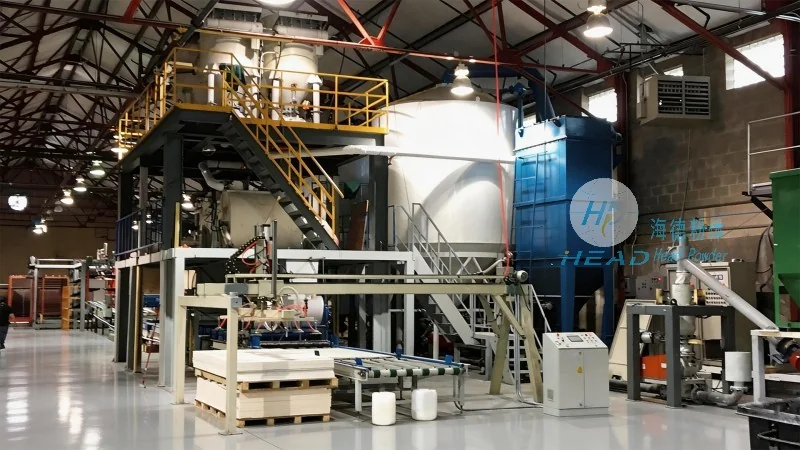
There are two primary modes of pneumatic conveying: dilute-phase and dense-phase. Dilute-phase conveying uses low air velocity and high air-to-material ratios, resulting in a low particle concentration in the pipeline. This method is suitable for short distances and low material density. Dense-phase conveying, on the other hand, uses higher air pressure and lower air-to-material ratios, creating a dense gas-solid mixture. This mode is more efficient for long-distance transport and handling of abrasive materials like SiC, as it reduces particle wear and system wear.
Advantages of Using SiC Pneumatic Conveying Equipment
Implementing SiC pneumatic conveying systems offers several advantages over traditional material handling methods. First, the sealed system minimizes dust generation and contamination, which is critical for maintaining product quality and worker safety in industries like ceramics and refractory manufacturing. Second, the system's ability to handle abrasive materials reduces wear on components, leading to lower maintenance costs and longer equipment life. Third, the flexibility of pneumatic conveying allows for easy integration into existing production lines and the ability to transport materials over long distances without the need for multiple transfer points.
Applications and Industries Served
Silicon carbide pneumatic conveying equipment is used in a variety of applications across different industries. In the ceramics industry, it is used to transport SiC raw materials for the production of refractory bricks and other ceramic products. In the chemical processing industry, it helps move SiC as a filler or additive in polymer composites and coatings. Additionally, the equipment is utilized in the manufacturing of abrasive tools, where SiC is used as a grinding or cutting medium.
About Shandong HeadPowder Engineering Co., Ltd.
Shandong HeadPowder Engineering Co., Ltd., operating under the brand name headpowder, is a leading manufacturer of specialized material handling equipment, including SiC pneumatic conveying systems. The company is based in Shandong, China, and has a strong reputation for producing high-quality, durable equipment tailored to the unique needs of the SiC industry. With a focus on innovation and customer satisfaction, headpowder provides comprehensive solutions for material transport, ensuring efficient and safe handling of silicon carbide and other abrasive materials.