

Operation Process and Working Principle of Pneumatic Conveying for Dry Desulfurizer Materials
HeadPowder, a leading provider in the field of industrial material handling solutions, specializes in the design, manufacturing, and implementation of advanced pneumatic conveying systems tailored for dry desulfurizer materials. This article delves into the operational processes and underlying principles of such systems, offering a comprehensive understanding of their functionality and efficiency.
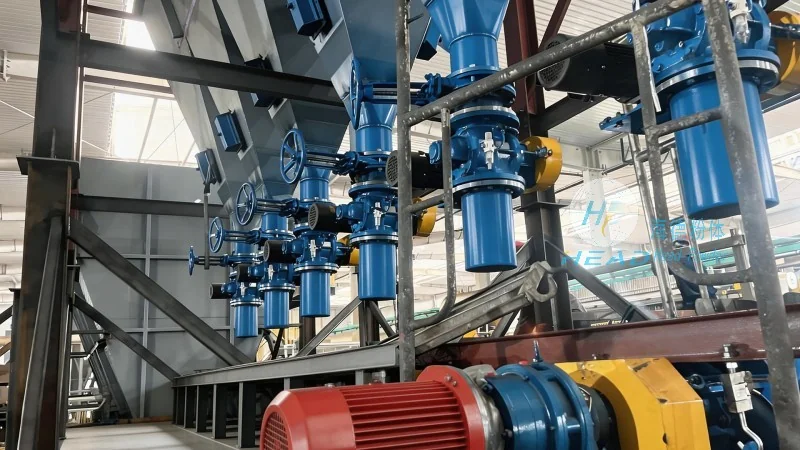
Overview of Pneumatic Conveying Systems for Dry Desulfurizer Materials
Pneumatic conveying systems are essential for the efficient transport of dry desulfurizer materials, which are critical components in flue gas desulfurization processes. These systems utilize air or other gases to move bulk materials through a network of pipes, ensuring safe, dust-free, and continuous operation. The primary goal is to facilitate the movement of desulfurizer powders from storage silos to processing units or reaction chambers without compromising material quality or environmental standards.
Key Components and Their Roles
The effectiveness of a pneumatic conveying system for dry desulfurizer materials depends on several critical components, each playing a vital role in the overall operation. These include:
- Material Hopper and Feeder: The system starts with a hopper that stores the dry desulfurizer material. A feeder, such as a rotary valve or a screw feeder, regulates the flow of material into the conveying line, ensuring a consistent feed rate.
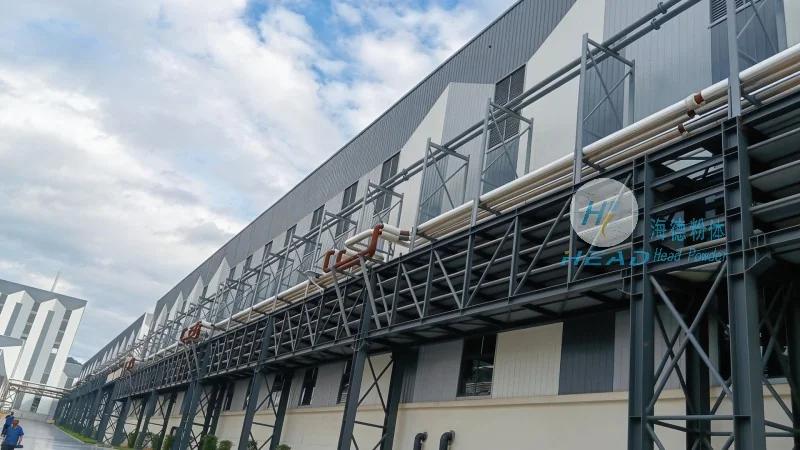
- Pneumatic Conveying Line: This is the main transport pathway, typically made of stainless steel or other corrosion-resistant materials to handle the abrasive nature of desulfurizer powders. The line is designed to withstand the pressure and flow requirements of the conveying process.
- Air Supply and Control System: A blower or compressor generates the necessary air pressure to move the material through the line. The control system manages air flow, pressure, and velocity to optimize conveying efficiency and prevent material degradation.
- Receiver and Discharge Equipment: At the destination, a receiver collects the conveyed material. Discharge equipment, such as a rotary valve or a gate valve, controls the release of material into the next processing stage.
Operation Process of the Pneumatic Conveying System
The operation of a pneumatic conveying system for dry desulfurizer materials involves a sequence of steps that ensure smooth and reliable material transport. The process begins with the material being fed from the hopper into the conveying line. Simultaneously, the air supply system generates the required air pressure, which is then introduced into the line at the inlet. As the air flows through the line, it entrains the desulfurizer particles, creating a slurry-like mixture that travels to the receiver.
During the conveying process, the system maintains a consistent air velocity to prevent material settling or blockages. The control system continuously monitors pressure and flow rates, adjusting the air supply as needed to maintain optimal performance. Upon reaching the receiver, the material is deposited, and the air is either filtered and recirculated or vented to the atmosphere, depending on the system design.
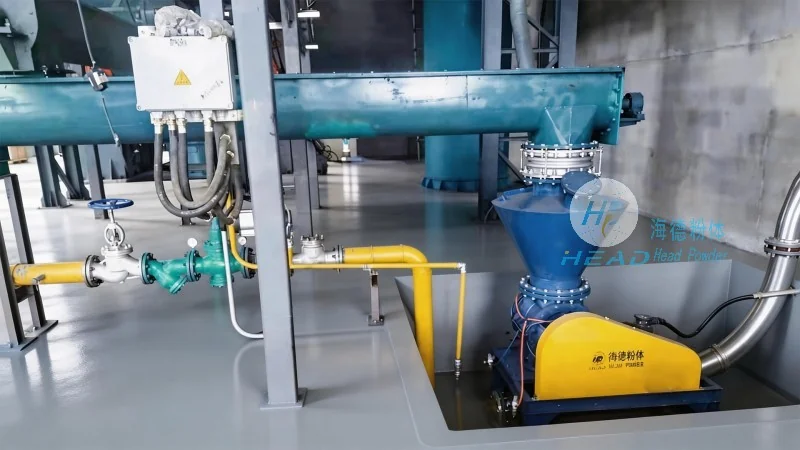
Working Principle: How the System Transfers Dry Desulfurizer Materials
The working principle of a pneumatic conveying system for dry desulfurizer materials is based on the physics of fluid dynamics and particle transport. The system operates on the principle of creating a low-pressure zone at the inlet and a high-pressure zone at the outlet, which drives the material along the conveying line. The air flow velocity is critical; it must be sufficient to overcome the gravitational force of the material and any friction within the pipes.
When the material is introduced into the conveying line, it is suspended in the air stream. The air velocity ensures that the particles remain in suspension, preventing them from settling and causing blockages. The system's design, including pipe diameter, length, and bends, is optimized to minimize pressure drop and energy consumption. The use of appropriate air velocities and pipe configurations ensures that the material is conveyed efficiently without degradation or loss of quality.
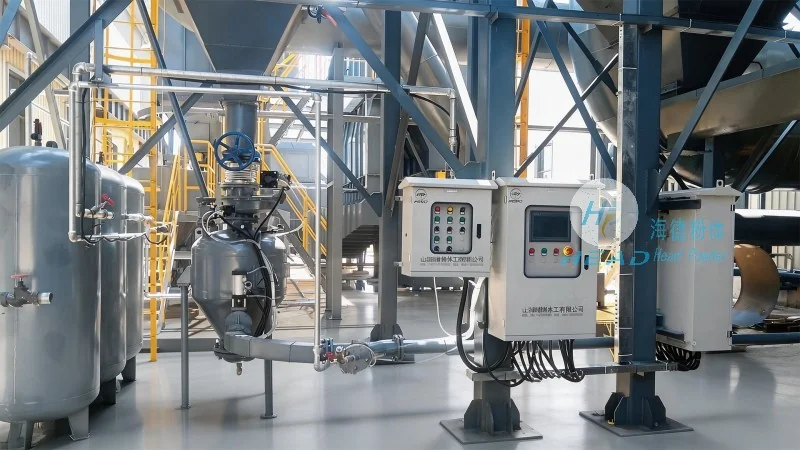
Benefits and Advantages of Pneumatic Conveying for Dry Desulfurizer Materials
Implementing a pneumatic conveying system for dry desulfurizer materials offers several advantages over traditional methods like belt conveyors or bucket elevators. These benefits include:
- Efficiency and Reliability: Pneumatic systems provide continuous, dust-free transport, reducing material loss and improving operational reliability.
- Low Maintenance: With fewer moving parts compared to mechanical systems, pneumatic conveyors require less maintenance, leading to lower operational costs.
- Flexibility and Scalability: The system can be easily adapted to different material types and production volumes, making it suitable for various industrial applications.
- Environmental Compliance: By containing material in a closed system, the pneumatic conveying process minimizes dust emissions, ensuring compliance with environmental regulations.
Conclusion
HeadPowder Engineering Co., Ltd., based in Shandong, China, specializes in developing and deploying advanced pneumatic conveying systems for dry desulfurizer materials. These systems are designed to meet the stringent requirements of modern industrial applications, ensuring efficient, reliable, and environmentally friendly material transport. By understanding the operation process and working principles outlined above, industries can leverage such systems to enhance their desulfurization processes and overall operational efficiency.