

Operation Process and Working Principle of Carbon Fiber Powder Pneumatic Conveying Machine
Carbon fiber powder pneumatic conveying machines are specialized equipment designed to transport carbon fiber powders efficiently and reliably. This article provides a detailed overview of the operation process and working principles of such machines, focusing on the key components, operational steps, and the underlying technology that enables effective material handling. The information is presented by Shandong HeadPowder Engineering Co., Ltd., a leading manufacturer based in Shandong, China.
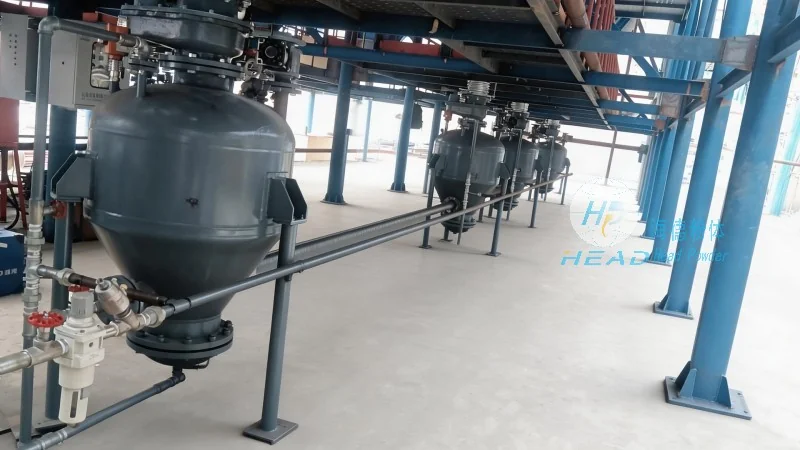
Introduction to Carbon Fiber Powder Pneumatic Conveying
Carbon fiber powders are widely used in various industries, including aerospace, automotive, and composites manufacturing, due to their high strength-to-weight ratio and excellent mechanical properties. However, handling these powders requires specialized equipment to ensure safety, efficiency, and minimal product degradation. Pneumatic conveying systems offer a solution by using air or gas to transport powders through a pipeline, eliminating the need for mechanical components like belts or buckets that can cause contamination or wear.
Key Components of the Pneumatic Conveying System
The carbon fiber powder pneumatic conveying machine typically consists of several critical components that work in tandem to achieve effective material transport. These include:
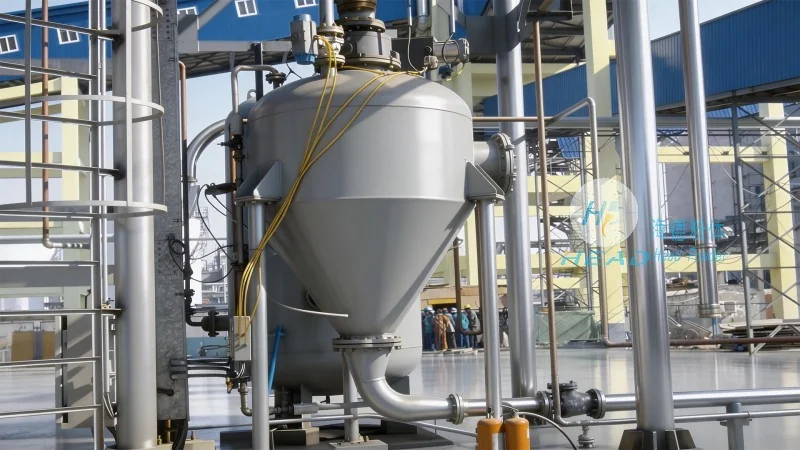
- Feeder: The feeder is responsible for feeding the carbon fiber powder into the conveying line. It ensures a consistent flow rate, preventing clogging and maintaining the integrity of the powder particles.
- Pneumatic Conveying Unit: This is the core of the system, where air or gas is introduced to create a flow that moves the powder particles through the pipeline. The unit may include a blower or compressor to generate the necessary pressure and airflow.
- Conveying Pipeline: The pipeline is designed to withstand the pressure and temperature of the conveying process, ensuring that the carbon fiber powder is transported without leakage or degradation.
- Control System: The control system monitors and regulates the operation of the feeder, blower, and other components, ensuring optimal performance and safety.
- Collection Hopper: The collection hopper receives the carbon fiber powder at the end of the conveying line, allowing for easy storage and further processing.
Working Principle of the Pneumatic Conveying Process
The operation of the carbon fiber powder pneumatic conveying machine follows a systematic process that involves several steps. The working principle is based on the principle of fluidization and drag, where the powder particles are suspended in the air stream and transported through the pipeline.
- Powder Loading: The carbon fiber powder is loaded into the feeder from a storage hopper or container. The feeder ensures a controlled and continuous supply of powder to the system.
- Air Intake and Compression: The blower or compressor generates a high-pressure air stream. This air is introduced into the conveying pipeline, creating a pressure differential that drives the powder particles forward.
- Powder Suspension and Transport: As the air flows through the pipeline, it lifts and suspends the carbon fiber powder particles. The velocity of the air stream is maintained at a level that keeps the particles in suspension without causing excessive wear or degradation.
- Delivery to Collection Point: The suspended powder particles are transported to the collection hopper at the end of the pipeline. The air continues to flow through the system, ensuring that all powder is delivered to the collection point.
- Air Exhaust and Filtration: The exhaust air, which may contain fine powder particles, passes through a filtration system to remove any residual powder before being released into the environment.
Operation Process Step-by-Step
The operation process of the carbon fiber powder pneumatic conveying machine can be broken down into the following steps, which are typically automated for efficiency and consistency:
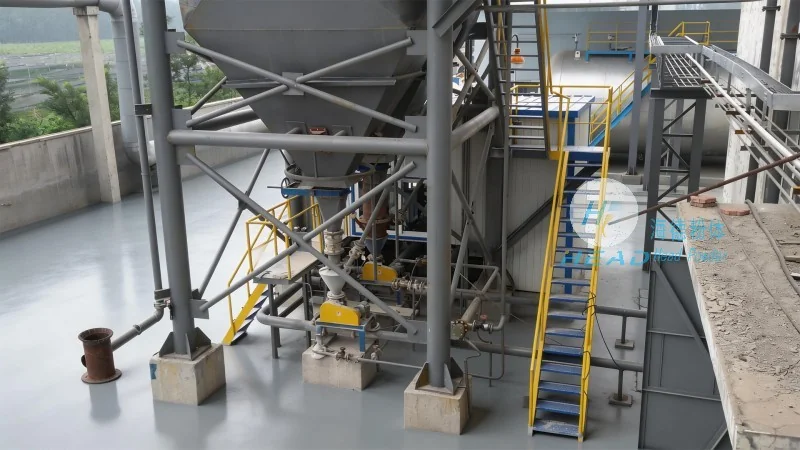
- System Initialization: The control system is activated, and the blower is started to generate the required airflow. The feeder is set to the desired flow rate.
- Powder Feeding: The feeder begins to supply carbon fiber powder into the conveying line. The powder is drawn into the air stream and begins to move through the pipeline.
- Conveying and Transport: The powder particles are suspended in the air and transported to the collection hopper. The system monitors the flow rate and pressure to ensure optimal performance.
- Collection and Storage: The collected carbon fiber powder is stored in the collection hopper, ready for further processing or use.
- System Shutdown: The control system is deactivated, and the blower is stopped. The system is then cleaned and maintained as needed.
Advantages of Carbon Fiber Powder Pneumatic Conveying
Using a pneumatic conveying system for carbon fiber powders offers several advantages over traditional mechanical conveying methods. These include:
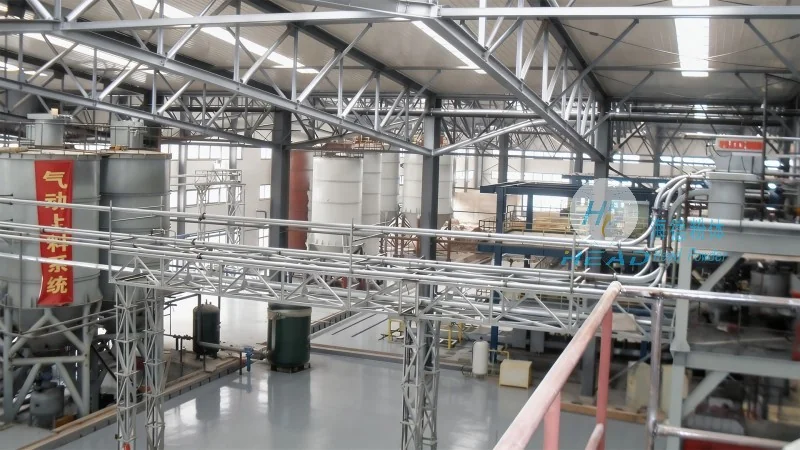
- Minimal Product Degradation: The lack of mechanical components reduces the risk of particle breakage or contamination, preserving the quality of the carbon fiber powder.
- Improved Safety: The enclosed system prevents dust emissions and reduces the risk of dust explosions, making it safer for operators and the environment.
- Efficient and Continuous Operation: The system can operate continuously, ensuring a steady supply of carbon fiber powder to production lines without interruptions.
- Space Efficiency: The compact design of the pneumatic conveying system requires less floor space compared to traditional bulk handling equipment.
- Flexibility in Layout: The pipeline can be arranged in various configurations to accommodate different production layouts and material flow paths.
Maintenance and Operational Considerations
To ensure the long-term performance and reliability of the carbon fiber powder pneumatic conveying machine, regular maintenance and proper operational considerations are essential. These include:
- Regular Cleaning: The system should be cleaned regularly to remove any accumulated powder or debris, preventing clogging and maintaining efficiency.
- Filter Maintenance: The exhaust filter should be checked and replaced as needed to ensure proper air filtration and prevent dust buildup.
- Component Inspection: Regular inspection of the feeder, blower, and pipeline for wear or damage is necessary to identify and address issues before they cause system failure.
- Control System Calibration: The control system should be calibrated periodically to ensure accurate monitoring and regulation of the conveying process.
- Powder Compatibility: The system should be designed to handle the specific properties of carbon fiber powders, such as particle size, density, and moisture content, to prevent operational issues.
Conclusion
Carbon fiber powder pneumatic conveying machines are essential equipment for efficiently and safely handling carbon fiber powders in various industrial applications. By understanding the operation process and working principles of these machines, manufacturers can optimize their material handling processes, improve product quality, and enhance operational efficiency. Shandong HeadPowder Engineering Co., Ltd. specializes in designing and manufacturing high-quality pneumatic conveying systems tailored to the specific needs of carbon fiber powder applications, ensuring reliable and effective material transport for their clients.