

Operation Process and Working Principle of High-Temperature Fly Ash Powder Pneumatic Conveying Machi
The company, Shandong HeadPowder Engineering Co., Ltd., specializes in the design and manufacturing of advanced pneumatic conveying systems, with a focus on high-temperature applications such as fly ash handling. HeadPowder, a leading provider in this field, has established itself as a trusted partner for industries requiring efficient and reliable material transport solutions.
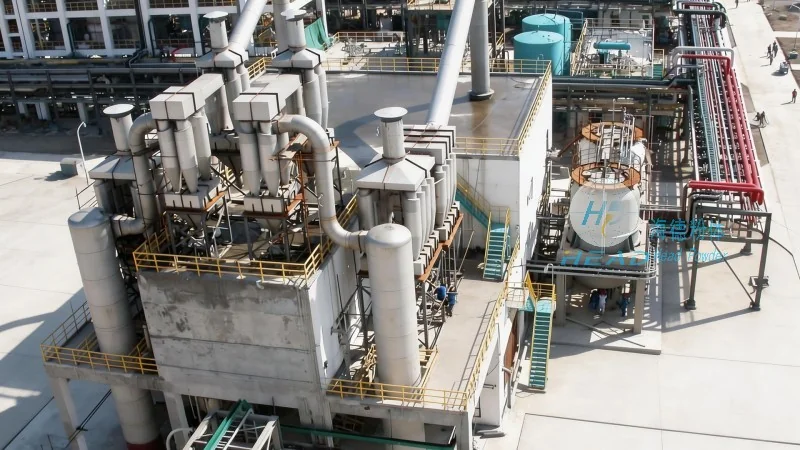
Introduction to the High-Temperature Fly Ash Powder Pneumatic Conveying Machine
One of their key products is the High-Temperature Fly Ash Powder Pneumatic Conveying Machine, engineered to handle the unique challenges posed by fly ash, a byproduct of coal combustion. This machine is specifically designed to transport fly ash efficiently under high-temperature conditions, ensuring minimal material degradation and optimal performance. The equipment is manufactured in Shandong, China, reflecting the company's commitment to quality and local expertise.
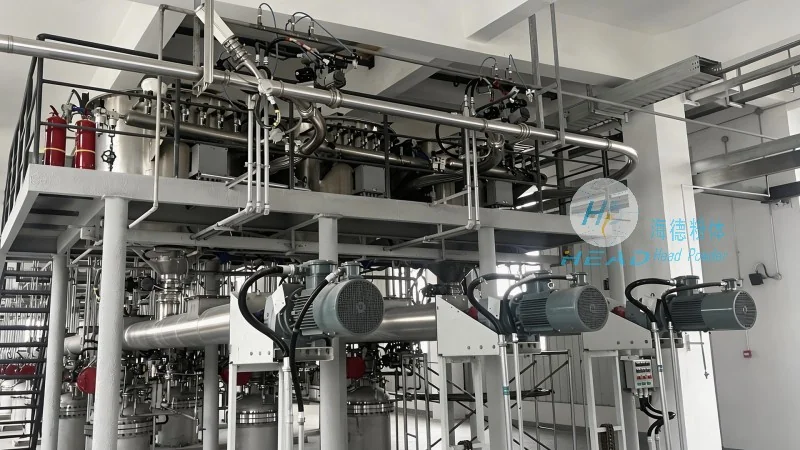
Operation Process of the High-Temperature Fly Ash Powder Pneumatic Conveying Machine
The operation process of the High-Temperature Fly Ash Powder Pneumatic Conveying Machine involves several key steps. First, the fly ash is fed into the hopper, where it is stored before being introduced into the conveying system. The material is then drawn into the pipeline by a high-pressure air stream generated by the blower. As the air and material mixture travels through the pipeline, the machine maintains the necessary pressure and flow rate to ensure smooth transport. The system includes components such as a filter, which captures any fine particles and returns them to the hopper, maintaining material integrity and preventing contamination. The entire process is automated, with controls that adjust parameters based on real-time conditions to optimize efficiency.
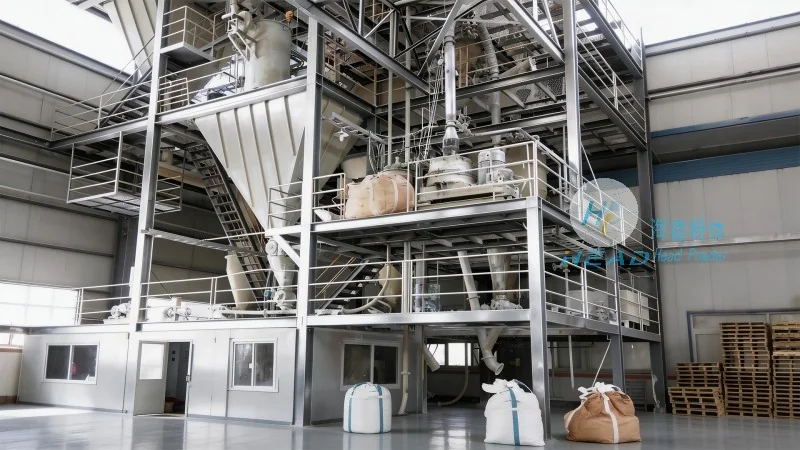
Working Principle of the High-Temperature Fly Ash Powder Pneumatic Conveying Machine
The working principle of this pneumatic conveying machine is based on the principle of pneumatic transport, where air is used as the conveying medium. The machine utilizes a positive displacement blower to create a high-pressure air flow. This air flow draws the fly ash particles into the pipeline, where they are suspended and transported to the destination. The design incorporates features like temperature-resistant materials and insulation to handle the high temperatures associated with fly ash, ensuring durability and longevity. The system also includes controls that monitor pressure, flow rate, and temperature, allowing for real-time adjustments to maintain optimal performance. The blower's operation is synchronized with the material feed, ensuring consistent conveying rates and preventing system overload.
Key Features and Benefits
This equipment is widely used in power plants and other industrial facilities where fly ash needs to be transported from the boiler to storage or processing units. The High-Temperature Fly Ash Powder Pneumatic Conveying Machine offers several advantages, including high efficiency, low maintenance requirements, and the ability to handle large volumes of material. It also reduces the risk of dust emissions and improves overall safety in the workplace. The machine's design minimizes material wear and tear, extending its operational life and reducing long-term costs. Additionally, the system is equipped with safety features that prevent overpressure and ensure compliance with industrial standards.
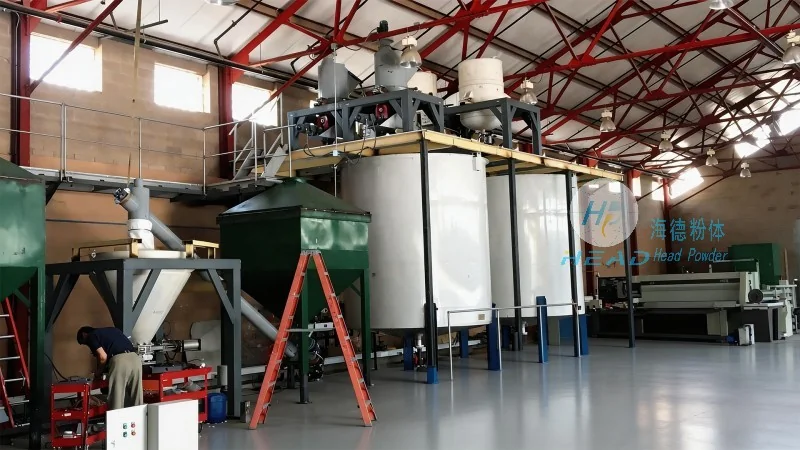
Application in Industrial Settings
In industrial settings, the High-Temperature Fly Ash Powder Pneumatic Conveying Machine plays a critical role in the management of fly ash. It enables the efficient transport of hot fly ash from the boiler to storage silos or processing facilities, where it can be used as a raw material in cement production or other applications. The machine's ability to handle high temperatures and abrasive materials makes it suitable for demanding environments. The system's reliability and efficiency contribute to improved operational productivity and reduced downtime in power plants and related industries.