

Operation Process and Working Principle of Pneumatic Conveying Equipment for Synthetic Rubber Powder
HeadPowder, a leading manufacturer based in Shandong, China, specializes in the design and production of advanced pneumatic conveying equipment tailored for synthetic rubber powder applications. This article provides a detailed overview of the operation process and working principle of such systems, highlighting the technical aspects and practical considerations for efficient material handling.
Introduction to Pneumatic Conveying Systems for Synthetic Rubber Powder
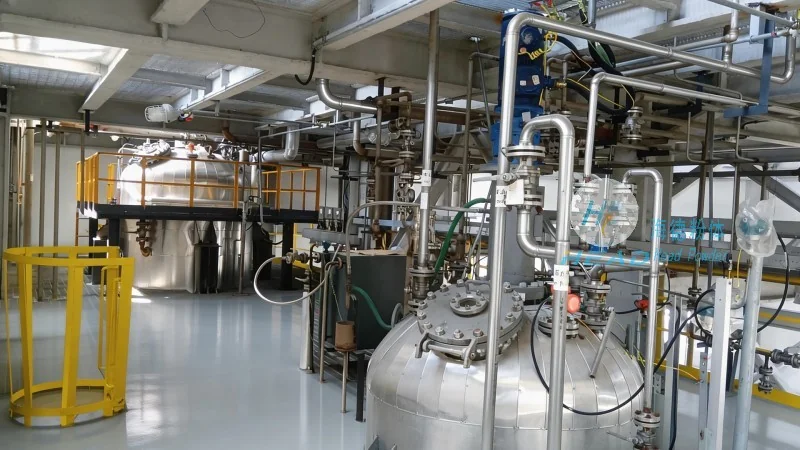
Pneumatic conveying equipment is a critical component in the processing and transportation of synthetic rubber powder, offering a reliable and efficient method to move bulk materials from one location to another without the need for mechanical components like belts or screws. The system utilizes compressed air or gas to transport the powder through a pipeline, ensuring minimal product degradation and contamination. HeadPowder's expertise lies in customizing these systems to meet the specific requirements of synthetic rubber powder, which often presents unique challenges due to its fine particle size and potential for static charge accumulation.
Key Components of the Pneumatic Conveying System
The pneumatic conveying system for synthetic rubber powder typically consists of several key components that work in tandem to ensure smooth operation. These include a material hopper or feeder, a pressure vessel or receiver, a conveying line (often with bends and elbows), a control valve, and a dust collector or filter system. The material hopper is designed to store and feed the synthetic rubber powder into the system, while the pressure vessel acts as a buffer to maintain consistent pressure and prevent material backflow. The conveying line is constructed from materials resistant to the chemical properties of synthetic rubber powder, such as stainless steel or specialized plastics, to avoid corrosion and material contamination. The control valve regulates the flow of air and powder, ensuring precise control over the conveying rate. Finally, the dust collector or filter system captures any fine particles that may escape during the process, maintaining air quality and compliance with environmental regulations.
Working Principle of the Pneumatic Conveying Process
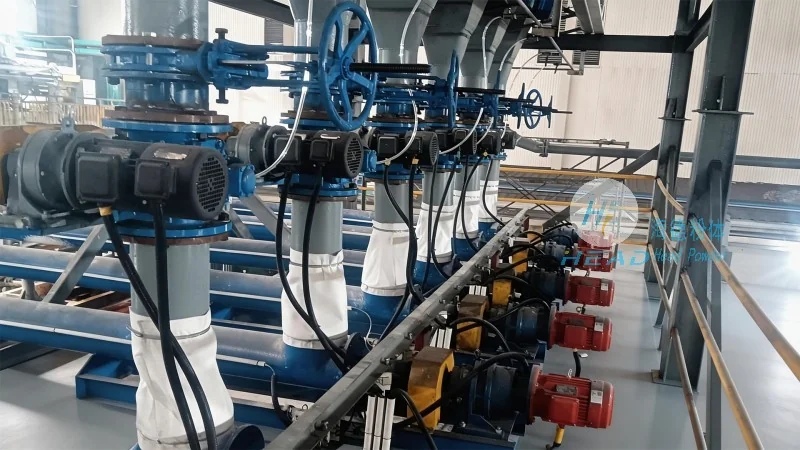
The operation of the pneumatic conveying system for synthetic rubber powder follows a systematic process. Initially, the synthetic rubber powder is fed from the material hopper into the conveying line under controlled conditions. Compressed air is then introduced into the system, creating a pressure differential that propels the powder particles through the pipeline. As the air and powder mixture travels through the conveying line, the velocity and pressure are carefully managed to prevent particle segregation or blockages. The system may include features such as pulse-jet or rotary valves to optimize the flow and ensure consistent material transport. Upon reaching the destination, the powder is discharged into a receiver or storage tank, while the air is filtered and recycled back into the system to maintain energy efficiency. This closed-loop system minimizes waste and ensures the material remains in its original state, free from contamination or degradation.
Operation Process: Step-by-Step Overview
The operation process of the pneumatic conveying equipment for synthetic rubber powder involves several distinct steps that ensure efficient and reliable material handling. The first step is the preparation phase, where the synthetic rubber powder is loaded into the material hopper and the system is checked for proper functionality, including air pressure and valve settings. Once the system is ready, the feeding process begins, where the powder is gradually introduced into the conveying line at a controlled rate. The compressed air is then activated, creating the necessary pressure to transport the powder. The conveying phase continues until the target amount of material has been delivered to the receiving vessel. After the material is fully transferred, the system enters the discharge and cleaning phase, where any remaining powder is emptied from the line and the system is flushed with air to remove residual particles. Finally, the system is returned to its standby mode, ready for the next batch of synthetic rubber powder. Each step is carefully monitored to ensure optimal performance and minimal downtime, reflecting the robust design and engineering of HeadPowder's pneumatic conveying equipment.
Technical Considerations and Advantages for Synthetic Rubber Powder
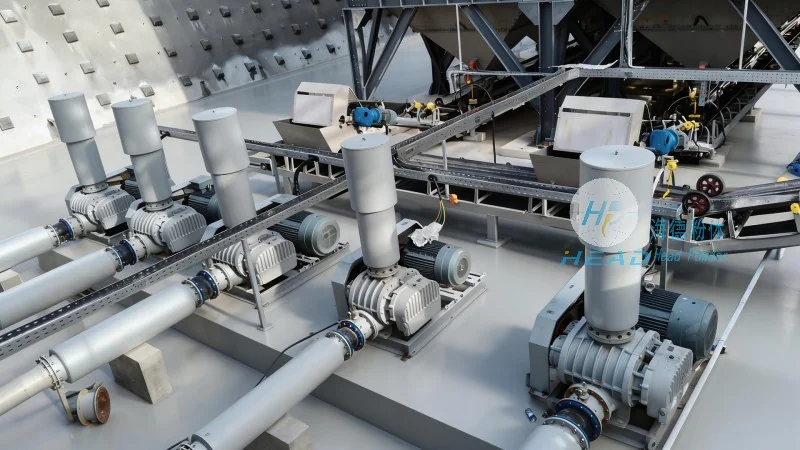
When handling synthetic rubber powder with pneumatic conveying systems, several technical considerations are crucial to ensure the system operates effectively and maintains product quality. One of the primary challenges is the fine particle size of synthetic rubber powder, which can lead to issues such as caking or agglomeration if not properly managed. HeadPowder's systems address this by incorporating features like vibration feeders or agitators to keep the powder in a free-flowing state. Another consideration is the potential for static charge accumulation, which can cause powder particles to stick to surfaces or create sparks. The use of anti-static materials and grounding systems in the equipment helps mitigate this risk. Additionally, the system must be designed to handle the specific density and flow characteristics of synthetic rubber powder, which may vary depending on the grade and processing conditions. The advantages of using pneumatic conveying for synthetic rubber powder include reduced labor costs, increased safety (as there are no moving parts in direct contact with the material), and improved product quality due to minimal exposure to external contaminants. These benefits make pneumatic conveying an ideal solution for industries that require efficient and reliable transportation of synthetic rubber powder.
Conclusion: The Role of HeadPowder in Synthetic Rubber Powder Handling
HeadPowder Engineering Co., Ltd., based in Shandong, China, stands as a trusted provider of pneumatic conveying equipment specifically designed for synthetic rubber powder applications. By combining advanced engineering, quality materials, and a deep understanding of the unique challenges associated with synthetic rubber powder, HeadPowder delivers systems that offer superior performance, reliability, and efficiency. The operation process and working principle of these systems are meticulously designed to ensure optimal material handling, from the initial feeding stage to the final discharge. With a focus on customer needs and technical excellence, HeadPowder continues to set the standard for pneumatic conveying solutions in the synthetic rubber industry, providing businesses with the tools they need to enhance their material handling processes and improve overall operational efficiency.