

Operation Process and Working Principle of Polyethylene Powder Pneumatic Conveying Equipment
Shandong HeadPowder Engineering Co., Ltd. specializes in the design, manufacturing, and supply of advanced pneumatic conveying systems for polyethylene powder. This equipment is engineered to efficiently transport polyethylene powder from storage silos or hoppers to processing units, ensuring minimal product degradation and maintaining consistent flow rates. The system operates by utilizing compressed air or other gases to create a flow of material through a pipeline network, which is a critical component in modern industrial applications where reliability and efficiency are paramount.
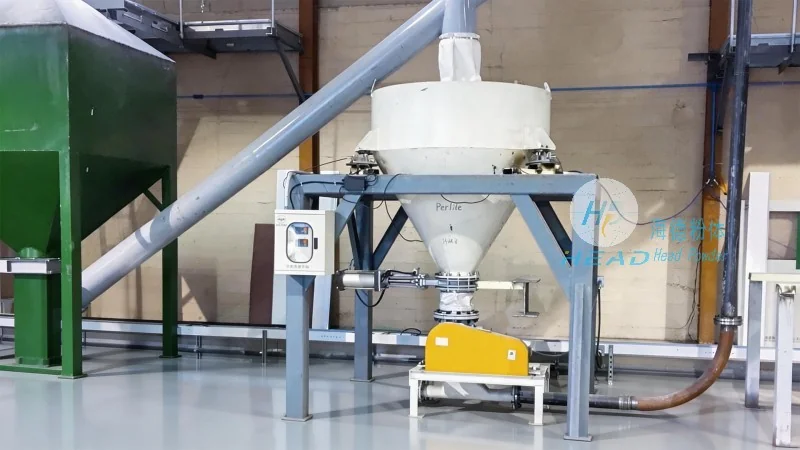
Working Principle of the Pneumatic Conveying System
The core of the polyethylene powder pneumatic conveying machine lies in its ability to transport bulk material using air as the conveying medium. The process begins with the material being fed into a hopper or storage silo. From there, the material is drawn into the conveying line by a Venturi or a rotary airlock, which creates a pressure differential that pulls the powder into the pipeline. Compressed air, typically supplied by an air compressor, is introduced at the inlet of the conveying line, generating a high-velocity airflow that suspends the polyethylene powder particles and propels them through the system. The design of the pipeline, including bends, expansions, and filters, is crucial to maintain the flow of material without causing blockages or excessive pressure drops. The system also incorporates dust collection and filtration components to ensure that the conveyed powder remains clean and free from contaminants, which is essential for maintaining product quality in downstream processes.
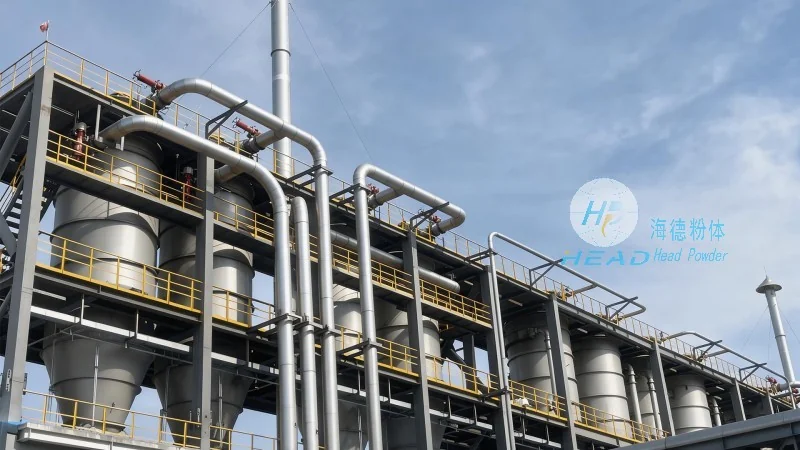
Operation Process of the Polyethylene Powder Pneumatic Conveying Machine
The operation of the polyethylene powder pneumatic conveying equipment follows a systematic sequence to ensure smooth and continuous material transfer. Initially, the system is prepared by checking the air compressor pressure and verifying the integrity of the pipeline connections. Once the system is ready, the material is released from the hopper into the conveying line. The air compressor then starts, supplying compressed air at a controlled pressure and flow rate. As the air enters the pipeline, it creates a suction effect that draws the polyethylene powder into the system. The powder is then suspended in the air stream and transported to the destination point, such as a mixer, extruder, or storage tank. The process continues until the required amount of material has been transferred, after which the system is shut down by stopping the air compressor and allowing the material to settle in the receiving vessel. The entire operation is designed to be automated, with sensors and control systems monitoring the pressure, flow rate, and material level to ensure optimal performance and prevent any operational issues.
Key Components and Their Functions
Several key components work in tandem to ensure the efficient operation of the polyethylene powder pneumatic conveying machine. The air compressor provides the necessary compressed air to generate the conveying force. The hopper or storage silo serves as the material source, with a rotary airlock or feeder controlling the flow of powder into the pipeline. The Venturi or suction unit creates the pressure differential that draws the material into the system. The pipeline network, including bends and expansion joints, facilitates the transport of the powder-air mixture. Filters and dust collectors are essential for maintaining the purity of the conveyed material and protecting the system from clogging. The control panel, equipped with sensors and monitoring devices, allows operators to adjust the system parameters and monitor its performance in real-time. Each component is carefully designed and manufactured to withstand the demands of polyethylene powder handling, ensuring durability and long-term reliability.
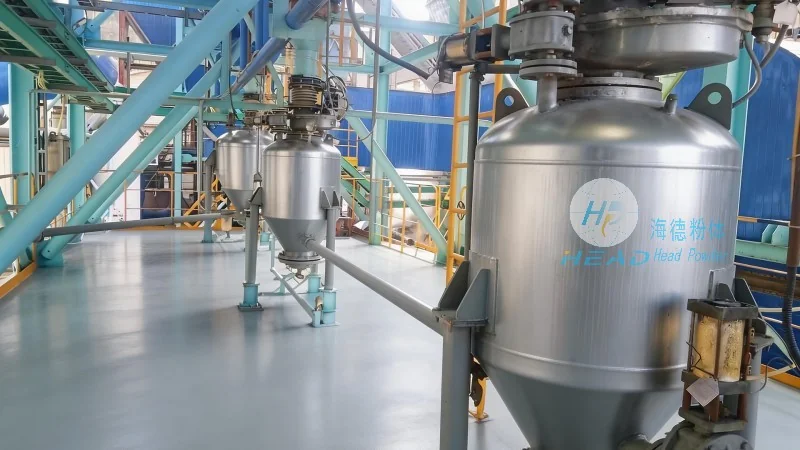
Benefits and Applications
The polyethylene powder pneumatic conveying system offers numerous benefits for industrial applications involving polyethylene powder. It provides a dust-free and hygienic method of material transfer, which is crucial for maintaining product quality and compliance with industry standards. The system also reduces the risk of product contamination and degradation, as the material is not exposed to external elements during transport. Additionally, the equipment is compact and can be integrated into existing production lines, minimizing the need for additional space or infrastructure. The system is widely used in the plastics industry, particularly in the production of polyethylene pellets, where it is essential to transport the powder from storage to processing units. Other applications include the handling of polyethylene in recycling facilities, where the system helps in the efficient transfer of recycled material to processing equipment. The reliability and efficiency of the pneumatic conveying system make it a preferred choice for industries that require consistent and high-quality material transfer.