

Operation Process and Working Principle of Cotton Fiber Powder Pneumatic Conveying Line
HeadPowder, a leading engineering company based in Shandong, China, specializes in the design, manufacturing, and installation of advanced pneumatic conveying systems for various industrial applications. The cotton fiber powder pneumatic conveying line is a critical piece of equipment in the textile and processing industries, facilitating the efficient transport of cotton fiber powders from storage to processing units. This article provides a detailed overview of the operation process and working principle of such a system, highlighting its key components, operational steps, and technical advantages.
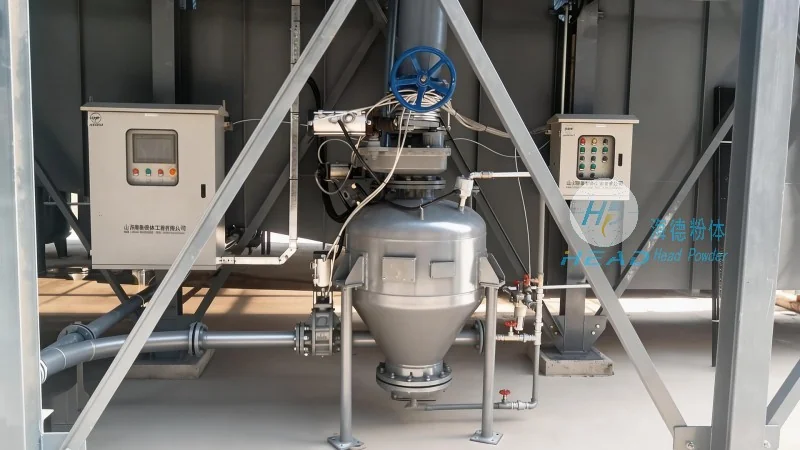
Key Components of the Cotton Fiber Powder Pneumatic Conveying System
The cotton fiber powder pneumatic conveying line typically consists of several essential components that work in tandem to ensure smooth and reliable material transport. These components include a hopper for material storage, a rotary valve or feeder to control the flow of cotton fiber powder, a pneumatic conveying pipeline system, a pressure vessel or receiver for material collection, and a dust collector to manage airborne particles. Each component plays a crucial role in the overall functionality of the system, ensuring that the cotton fiber powder is conveyed safely and efficiently without degradation or loss.
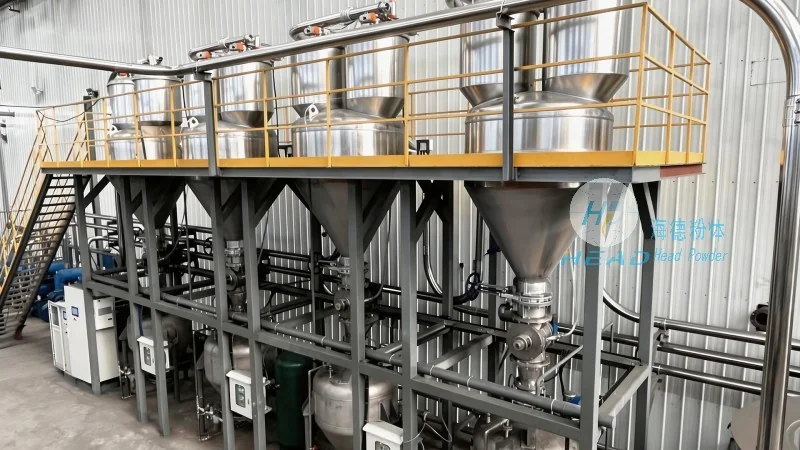
Operation Process of the Cotton Fiber Powder Pneumatic Conveying Line
The operation of the cotton fiber powder pneumatic conveying line involves a series of systematic steps that ensure the continuous and controlled movement of cotton fiber powder from the storage hopper to the processing equipment. The process begins with the loading of cotton fiber powder into the storage hopper. The rotary valve or feeder then regulates the flow of the powder, metering it into the pneumatic conveying pipeline at a controlled rate. Simultaneously, a compressor or blower generates the necessary air pressure within the pipeline, creating a flow that propels the cotton fiber powder forward. The powder travels through the pipeline, often passing through various sections such as bends, elbows, and filters, before reaching the pressure vessel or receiver. The receiver collects the conveyed cotton fiber powder, while the dust collector captures any airborne particles, ensuring a clean and safe working environment. The entire process is automated and monitored to maintain consistent flow rates and pressure levels, minimizing downtime and maximizing productivity.

Working Principle of the Pneumatic Conveying System
The working principle of the cotton fiber powder pneumatic conveying line is based on the fundamental concept of transporting solid materials using a gas stream. In this system, compressed air or gas is used as the conveying medium to move the cotton fiber powder through the pipeline. The key principle is the creation of a pressure differential between the hopper and the receiver, which drives the material flow. As the compressed air is introduced into the pipeline, it creates a low-pressure zone at the receiver end, while the hopper maintains a higher pressure. This pressure difference causes the cotton fiber powder to be entrained by the air stream and carried through the pipeline. The air velocity within the pipeline is carefully controlled to ensure that the powder particles are fully suspended and transported without settling or clogging. The system may employ different conveying modes, such as dilute phase or dense phase, depending on the material characteristics and application requirements. Dilute phase conveying uses higher air velocities to transport the powder in a dispersed state, while dense phase conveying uses lower air velocities and higher pressure to move the powder in a more compacted form, reducing the risk of material degradation and ensuring a more controlled flow.
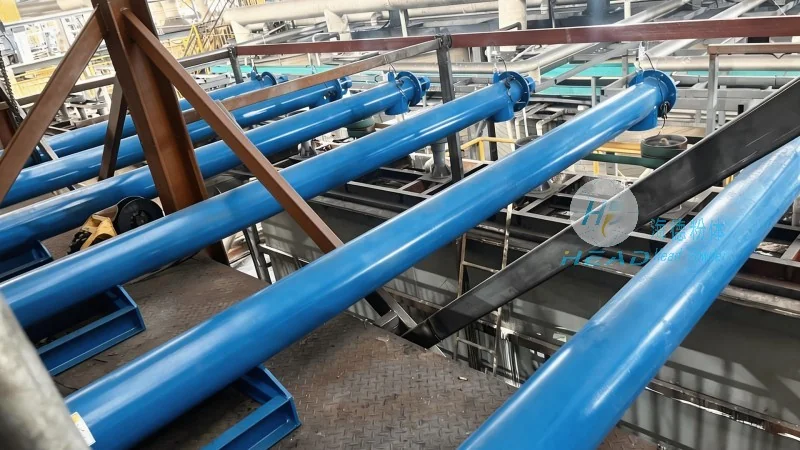
Technical Advantages and Applications
The cotton fiber powder pneumatic conveying line offers several technical advantages that make it an ideal solution for transporting cotton fiber powders in industrial settings. One of the primary advantages is its ability to handle fine and abrasive materials without causing degradation or damage, which is crucial for maintaining the quality of cotton fiber products. The system also provides a dust-free and enclosed environment, enhancing workplace safety and compliance with environmental regulations. Additionally, the automated operation and monitoring capabilities of the system reduce labor costs and improve overall productivity. The flexibility of the system allows it to be integrated with various processing equipment, such as spinning machines or blending units, making it suitable for a wide range of textile and processing applications. HeadPowder's expertise in designing and manufacturing these systems ensures that clients receive customized solutions tailored to their specific operational needs, optimizing performance and efficiency.