

Operation Process and Working Principle of Magnesium Hydroxide Powder Pneumatic Conveying Line
For industrial applications involving the transport of magnesium hydroxide powder, a pneumatic conveying line offers an efficient and reliable solution. This system is designed to handle the material's specific properties, ensuring smooth and safe operation from the source to the destination. The following content will explore the operational process and underlying principles of such a conveying line, providing insights into its design and functionality.
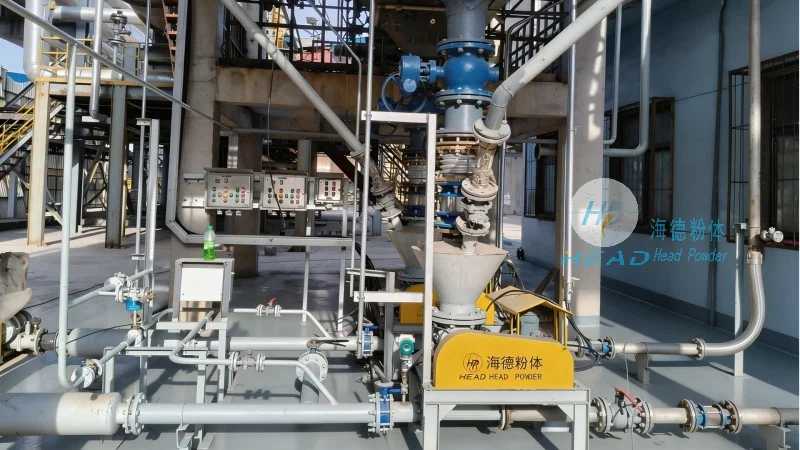
Key Components of the Pneumatic Conveying System
The magnesium hydroxide powder pneumatic conveying line typically consists of several critical components that work in tandem to achieve effective material transport. These include the material hopper, which stores the powder; the air compressor or blower, which generates the necessary airflow; the conveying pipeline, which carries the powder and air mixture; and the discharge device, such as a cyclone separator or filter, which separates the powder from the air stream. Each component plays a vital role in maintaining the system's efficiency and preventing material degradation or loss.
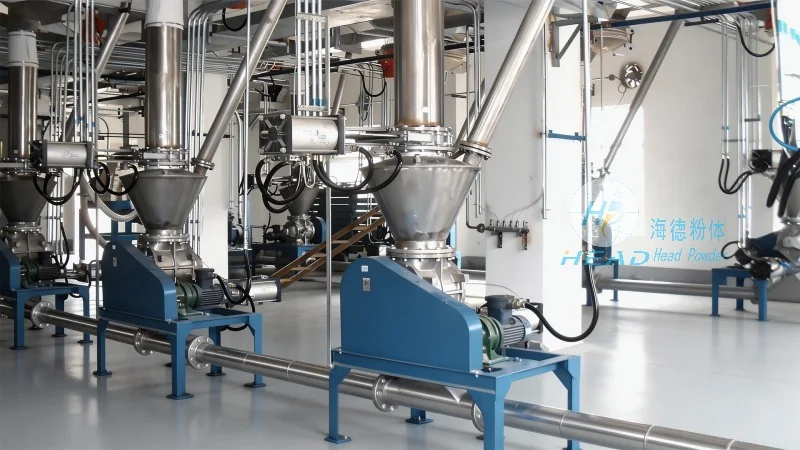
Operation Process of the Pneumatic Conveying Line
The operation of the magnesium hydroxide powder pneumatic conveying line begins with the material being fed into the hopper. A feeder, often a rotary valve or screw conveyor, controls the flow rate of the powder into the system. Simultaneously, the air compressor starts, generating a consistent airflow that enters the conveying pipeline. The powder is then introduced into the pipeline, where it is suspended by the airflow and carried to the discharge point. The air and powder mixture travels through the pipeline, with the cyclone separator or filter at the end separating the powder from the air. The separated powder is collected in a storage bin or processing unit, while the air is either vented to the atmosphere or recirculated, depending on the system design. This continuous process ensures a steady supply of magnesium hydroxide powder to the downstream equipment, minimizing downtime and maximizing productivity.
Working Principle of the Pneumatic Conveying System
The core principle behind the pneumatic conveying of magnesium hydroxide powder is the use of air as the conveying medium. The system relies on the momentum of the air stream to lift and transport the powder particles. The airflow velocity must be sufficient to overcome the gravitational force acting on the powder particles and to maintain them in suspension. The design of the pipeline, including its diameter and length, is crucial in determining the optimal airflow rate and pressure. Additionally, the material's properties, such as particle size, density, and moisture content, influence the system's performance. Properly designed and maintained, the pneumatic conveying line can handle large volumes of magnesium hydroxide powder with minimal energy consumption and low maintenance requirements.
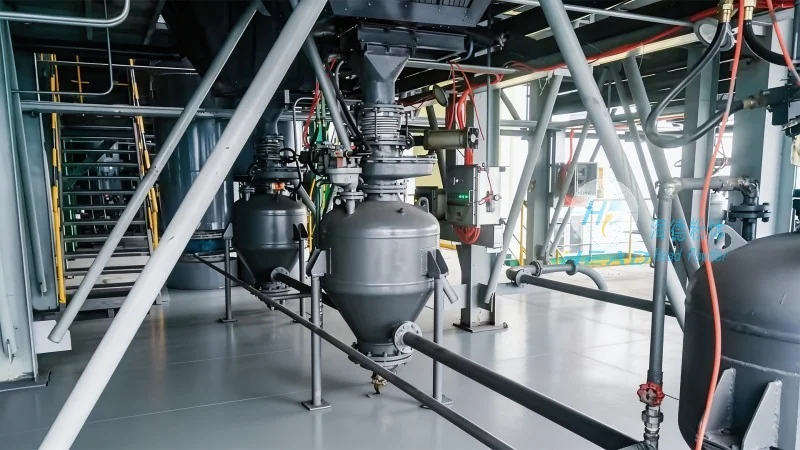
About Shandong HeadPowder Engineering Co., Ltd.
Shandong HeadPowder Engineering Co., Ltd., operating under the brand name headpowder, specializes in the design, manufacturing, and installation of industrial conveying systems, including pneumatic conveying lines for various powder materials. With a focus on innovation and customer satisfaction, the company leverages advanced engineering techniques to develop customized solutions tailored to the specific needs of its clients. HeadPowder's expertise in material handling ensures that its systems are efficient, reliable, and compliant with industry standards. The company's facilities are located in Shandong, China, where it employs a team of skilled engineers and technicians dedicated to delivering high-quality products and services.