

Operation Process and Working Principle of Calcium Chloride Powder Pneumatic Conveying Line
HeadPowder, a leading engineering solutions provider based in Shandong, China, specializes in the design, manufacturing, and installation of advanced pneumatic conveying systems. This article focuses on the operation process and working principle of a calcium chloride powder pneumatic conveying line, a critical component in various industrial applications where efficient and reliable material handling is essential.
Introduction to Calcium Chloride Powder Pneumatic Conveying Systems
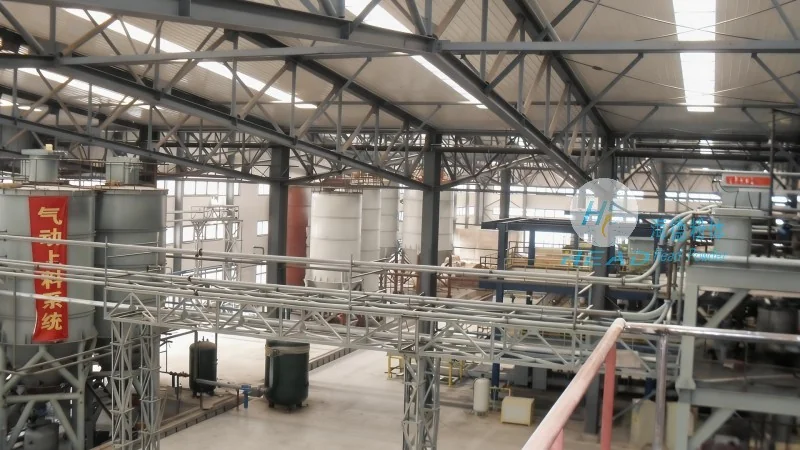
Calcium chloride (CaCl₂) is a widely used chemical compound in industries such as construction, de-icing, and water treatment. The efficient transportation of calcium chloride powder from storage to processing units is crucial for maintaining production efficiency and product quality. Pneumatic conveying systems offer a solution by using air or gas to transport bulk materials through a pipeline network. These systems are particularly advantageous for calcium chloride powder due to its hygroscopic nature and the need for minimal contamination during handling.
Key Components of the Pneumatic Conveying Line
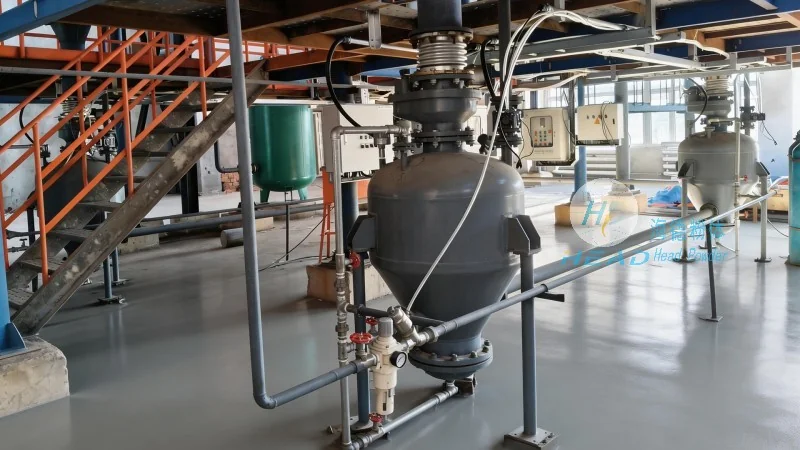
The calcium chloride powder pneumatic conveying line typically consists of several key components that work in tandem to ensure smooth operation. These components include a hopper for material storage, a feeder to control the flow rate, a compressor or blower to generate the necessary air pressure, a pipeline system for material transport, and a receiver or silo for the final discharge. Each component plays a vital role in the overall functionality of the system.
Operation Process of the Calcium Chloride Powder Pneumatic Conveying Line
The operation process of the calcium chloride powder pneumatic conveying line begins with the loading of calcium chloride powder into the hopper. The feeder then regulates the material flow, ensuring a consistent and controlled discharge rate. Simultaneously, the compressor or blower starts to generate the required air pressure, which is then introduced into the pipeline system. As the air flows through the pipeline, it entrains the calcium chloride powder particles, forming a dense phase or dilute phase conveying stream depending on the system design. The material is then transported from the source to the destination, where it is discharged into the receiver or processing unit. The system maintains a continuous flow by adjusting the air pressure and material feed rate as needed to match the production requirements.
Working Principle of the Pneumatic Conveying System
The working principle of the calcium chloride powder pneumatic conveying line is based on the fundamental concept of pneumatic transport, where air or gas is used as the conveying medium. The system operates by creating a pressure differential between the inlet and outlet of the pipeline. The compressor or blower supplies compressed air, which is then mixed with the calcium chloride powder in the hopper. The air velocity in the pipeline is maintained above the minimum conveying velocity to prevent material settling or blockage. The conveying process can be categorized into two main types: dense phase and dilute phase. Dense phase conveying uses higher air pressure and lower air velocity to transport material in a more concentrated form, reducing the risk of material degradation and pipeline wear. Dilute phase conveying, on the other hand, uses lower air pressure and higher air velocity, suitable for longer distances or lighter materials. The choice of conveying type depends on the specific application requirements and the characteristics of the calcium chloride powder.
Advantages of Using a Pneumatic Conveying Line for Calcium Chloride Powder
Implementing a pneumatic conveying line for calcium chloride powder offers several advantages over traditional methods such as belt conveyors or bucket elevators. Firstly, it provides a closed system, which helps to minimize dust emissions and prevent contamination from external sources. This is particularly important for calcium chloride powder, which is hygroscopic and can absorb moisture from the air, affecting its performance. Secondly, pneumatic conveying systems are more flexible and can be easily reconfigured to accommodate changes in production processes or material handling requirements. Thirdly, these systems are capable of handling materials with varying particle sizes and moisture content, ensuring consistent performance. Additionally, the closed nature of the system reduces the risk of material spillage and improves workplace safety.
Maintenance and Operational Considerations
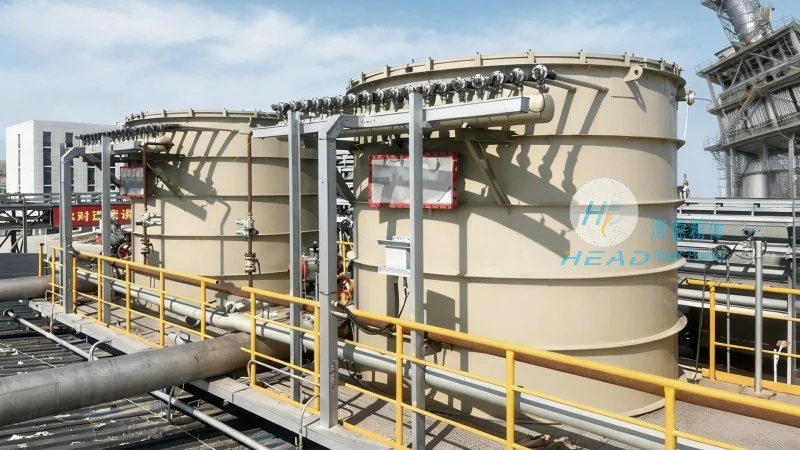
To ensure the long-term efficiency and reliability of the calcium chloride powder pneumatic conveying line, regular maintenance and proper operational considerations are essential. Regular inspection of the hopper, feeder, and pipeline for any signs of wear or blockage is necessary to prevent system downtime. The compressor or blower should be maintained to ensure consistent air pressure and flow rates. The system should also be cleaned periodically to remove any accumulated material or dust, which can affect performance. Operational considerations include monitoring the air pressure and material flow rates to ensure they are within the optimal range. Adjustments to the feeder speed or air pressure may be required to maintain a stable conveying process. Proper training of operators on the system's operation and maintenance is also crucial for maximizing the system's lifespan and performance.
Conclusion
In conclusion, the calcium chloride powder pneumatic conveying line is a sophisticated and efficient system designed to handle calcium chloride powder with precision and reliability. The operation process involves the coordinated function of various components, while the working principle relies on the fundamental concepts of pneumatic transport. By understanding the key components, operation process, and working principles, industries can effectively utilize these systems to enhance their material handling capabilities and maintain production efficiency. HeadPowder, with its expertise in engineering solutions, provides comprehensive support for the design, installation, and maintenance of such systems, ensuring optimal performance and longevity for calcium chloride powder handling applications.