

Operation Process and Working Principle of Wheat Flour Bulk Pneumatic Conveying System
Wheat flour bulk pneumatic conveying systems are essential in modern food processing and material handling industries. These systems are designed to transport wheat flour and other fine powders efficiently and safely over long distances. The technology behind these systems combines the principles of fluidization, air flow, and mechanical components to achieve seamless material transfer. As a leading provider in the field, Shandong HeadPowder Engineering Co., Ltd. specializes in designing and manufacturing high-performance pneumatic conveying solutions tailored to the unique needs of flour processing facilities.
Key Components of the Pneumatic Conveying System
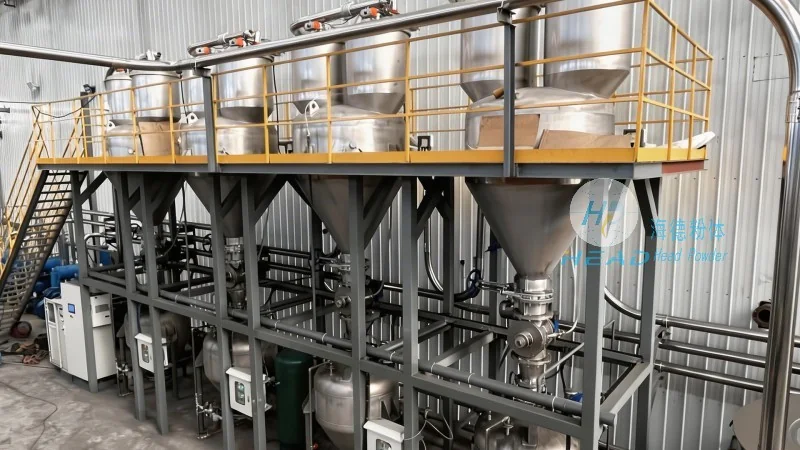
The core components of a wheat flour bulk pneumatic conveying system include the hopper, feeder, air compressor, conveying line, and receiver. The hopper serves as the storage container for the wheat flour, ensuring a consistent feed of material. The feeder, typically a rotary valve or screw feeder, regulates the flow rate of the flour into the system. The air compressor generates the necessary pressure and airflow to move the flour through the conveying line. The conveying line, often made of stainless steel or other corrosion-resistant materials, is designed to withstand the abrasive nature of flour particles. The receiver collects the conveyed flour and discharges it into the final destination. Each component plays a critical role in maintaining the system's efficiency and reliability.
Operation Process of the Wheat Flour Pneumatic Conveying System
The operation process of a wheat flour bulk pneumatic conveying system involves several sequential steps. First, the wheat flour is stored in the hopper. The feeder then starts to discharge the flour at a controlled rate. Simultaneously, the air compressor activates and begins to generate airflow through the conveying line. As the air flows, it creates a pressure differential that lifts the flour particles and propels them forward. The flour travels through the conveying line, which may include bends, elbows, or other fittings, to reach the receiver. The receiver then collects the flour and prepares it for further processing or packaging. The entire process is automated and can be monitored and controlled through a centralized system, ensuring precise control over flow rates, pressure, and temperature. This automation minimizes human intervention and enhances operational safety.
Working Principle of the Pneumatic Conveying System
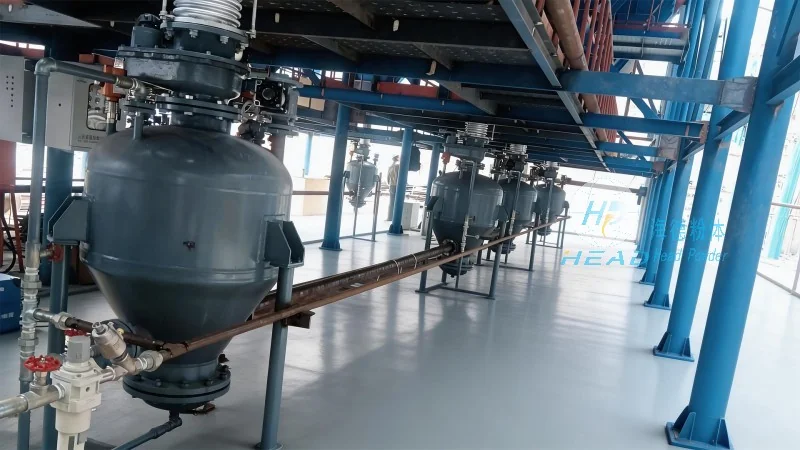
The working principle of a wheat flour bulk pneumatic conveying system is based on the concept of pneumatic transport, where material is moved by the flow of a gas, typically air. The system operates under either positive pressure or negative pressure, depending on the application. In positive pressure systems, the air compressor supplies compressed air to the conveying line, creating a pressure higher than the ambient air. This pressure forces the flour particles to move through the line. In negative pressure systems, the receiver is under a lower pressure than the ambient air, creating a suction effect that draws the flour into the line. The key to efficient transport is the balance between air velocity and particle size. The air velocity must be sufficient to overcome the gravitational force acting on the flour particles but not so high as to cause excessive wear on the system components or to create dust emissions. The system's design, including the size of the conveying line and the air flow rate, is optimized to achieve this balance, ensuring reliable and low-dust operation.
Advantages of Using a Pneumatic Conveying System for Wheat Flour
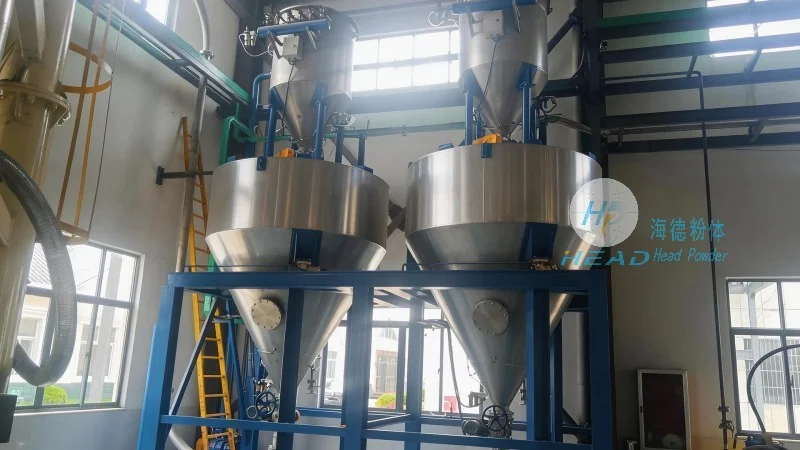
Implementing a wheat flour bulk pneumatic conveying system offers numerous advantages over traditional mechanical conveying methods. One of the primary benefits is the reduction in dust generation, which is crucial for maintaining a safe and healthy working environment in flour processing facilities. Pneumatic systems also eliminate the need for mechanical components like belts or chains that can break or wear out, reducing maintenance costs and downtime. Additionally, these systems can handle fine powders and abrasive materials without causing damage, ensuring the quality of the flour remains intact. The ability to transport materials over long distances without the need for intermediate storage or handling points also increases operational efficiency. Furthermore, pneumatic conveying systems are flexible and can be easily integrated with existing processing lines, allowing for seamless expansion or modification of the facility. These advantages make pneumatic conveying an ideal choice for modern wheat flour processing operations.
Customization and Integration by Shandong HeadPowder Engineering Co., Ltd.
Shandong HeadPowder Engineering Co., Ltd. specializes in providing customized pneumatic conveying solutions tailored to the specific requirements of wheat flour processing facilities. The company's team of engineers works closely with clients to understand their operational needs, production volumes, and space constraints. Based on this information, they design and manufacture systems that optimize performance, efficiency, and safety. The company's solutions can be integrated with existing equipment or serve as a complete new system, depending on the client's needs. The customization process includes selecting the appropriate components, such as the type of air compressor, conveying line material, and control system, to ensure the system meets the client's performance specifications. Shandong HeadPowder Engineering Co., Ltd. also provides installation, commissioning, and maintenance services to ensure the system operates at peak performance throughout its lifecycle. By partnering with the company, clients can benefit from years of experience and expertise in the field, ensuring their wheat flour pneumatic conveying system is reliable, efficient, and cost-effective.