

Operation Process and Working Principle of Grain Silo Material Conveying
Shandong HeadPowder Engineering Co., Ltd., a leading manufacturer in the field of material handling solutions, specializes in providing efficient and reliable conveying systems for grain silos. With a focus on innovation and precision engineering, the company has established itself as a trusted partner for agricultural and industrial clients seeking to optimize their material transport processes. This article delves into the operation process and working principle of grain silo material conveying systems, highlighting the key components, operational steps, and technical aspects that ensure smooth and effective material handling.
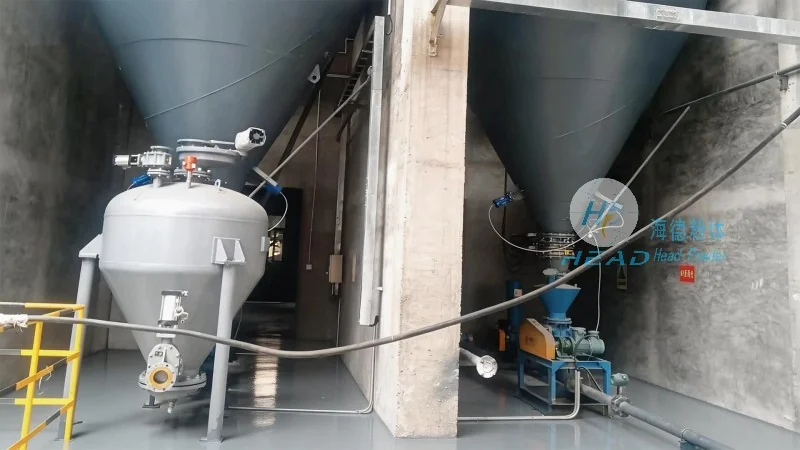
Overview of Grain Silo Material Conveying Systems
Grain silo material conveying systems are essential for the efficient storage and distribution of bulk materials such as grains, seeds, and other agricultural products. These systems are designed to handle large volumes of material with minimal downtime and maximum operational efficiency. The primary goal is to ensure that materials are moved from storage silos to processing units, packaging areas, or transportation vehicles in a controlled and systematic manner. The systems typically consist of various components, including hoppers, feeders, conveyors, and control mechanisms, all working in harmony to achieve seamless material flow.
Key Components of the Conveying System
The effectiveness of a grain silo material conveying system relies on several critical components that work together to facilitate the transport of bulk materials. The first component is the hopper, which serves as the initial storage and feeding point for the material. Hoppers are designed with specific angles and dimensions to ensure proper material flow and prevent clogging or bridging. Next, the feeder is responsible for regulating the flow rate of material from the hopper to the conveyor. Common types of feeders include rotary valves, vibratory feeders, and screw conveyors, each offering unique advantages in terms of flow control and material compatibility. The conveyor itself is the core component that transports the material from the feeder to the desired destination. There are various types of conveyors used in grain silo applications, including belt conveyors, screw conveyors, and pneumatic conveyors, each suited to different material characteristics and operational requirements. Finally, the control system manages the entire operation, monitoring parameters such as flow rate, pressure, and temperature, and adjusting the system as needed to maintain optimal performance.
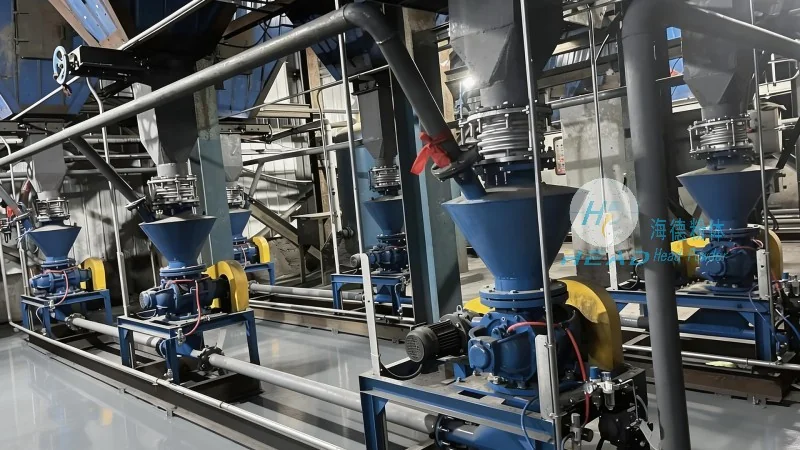
Operation Process of Grain Silo Material Conveying
The operation process of a grain silo material conveying system involves several sequential steps that ensure the smooth and continuous movement of material. The process begins with the loading of the hopper with the bulk material. This can be done manually or through automated loading mechanisms, depending on the system's design and the volume of material being handled. Once the hopper is filled, the feeder starts to regulate the flow of material into the conveyor. The feeder ensures that the material is discharged at a consistent rate, preventing overloading or underloading of the conveyor. The conveyor then transports the material to the next stage of the process, such as a processing unit or a packaging line. The control system continuously monitors the flow rate and other parameters, adjusting the feeder speed or conveyor speed as necessary to maintain a stable flow. This feedback loop ensures that the system operates efficiently and prevents any potential issues such as clogging or material buildup. The entire process is designed to be automated, minimizing the need for manual intervention and reducing the risk of human error. The system can be programmed to operate on a schedule or triggered by specific events, such as the level of material in the hopper or the demand from downstream processes.
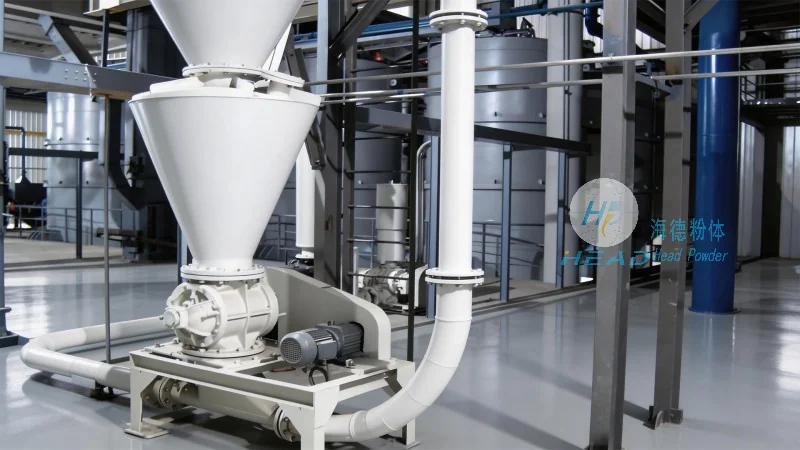
Working Principle of the Conveying System
The working principle of a grain silo material conveying system is based on the principles of fluidization and mechanical transport. The material is treated as a fluid in the hopper and feeder, where it is moved by gravity and controlled by the feeder's design. The conveyor then uses mechanical force to transport the material, either through the rotation of a screw or the movement of a belt. In pneumatic conveyors, the material is suspended in a stream of air and transported through pipes. The control system plays a crucial role in maintaining the balance between the material flow and the system's capacity, ensuring that the material is moved at the optimal rate without causing any damage to the equipment or the material itself. The system's design takes into account the properties of the material, such as its density, moisture content, and flowability, to ensure that the conveying process is efficient and effective. For example, materials with high moisture content may require special handling to prevent clogging, while materials with low flowability may need additional equipment, such as vibrators or agitators, to improve their movement.
Benefits of Efficient Grain Silo Material Conveying
Efficient grain silo material conveying systems offer numerous benefits to agricultural and industrial operations. Firstly, they improve the overall productivity of the system by reducing downtime and increasing the throughput of material. This leads to higher output and better profitability for the client. Secondly, the systems enhance the safety of the operation by minimizing the need for manual handling of bulk materials, which can be hazardous. The automated nature of the system reduces the risk of accidents and injuries, creating a safer working environment. Thirdly, the systems improve the quality of the material by preventing contamination and ensuring consistent flow. This is particularly important for food-grade products, where quality control is critical. Finally, the systems offer cost savings by reducing energy consumption and maintenance costs. The efficient design of the components, such as the feeder and conveyor, minimizes energy usage, while the robust construction of the equipment reduces the need for frequent repairs and replacements.