

Operation Process and Working Principle of Inorganic Salt Crystal Powder Conveying System
HeadPowder, a leading provider in the field of powder handling technology, specializes in the design, manufacturing, and integration of advanced conveying systems for inorganic salt crystal powders. This article delves into the operational process and working principles of such systems, highlighting the key components, mechanisms, and efficiency measures that ensure reliable and efficient material transport. The focus is on the technical aspects and practical applications, providing a comprehensive understanding for industry professionals and potential clients.
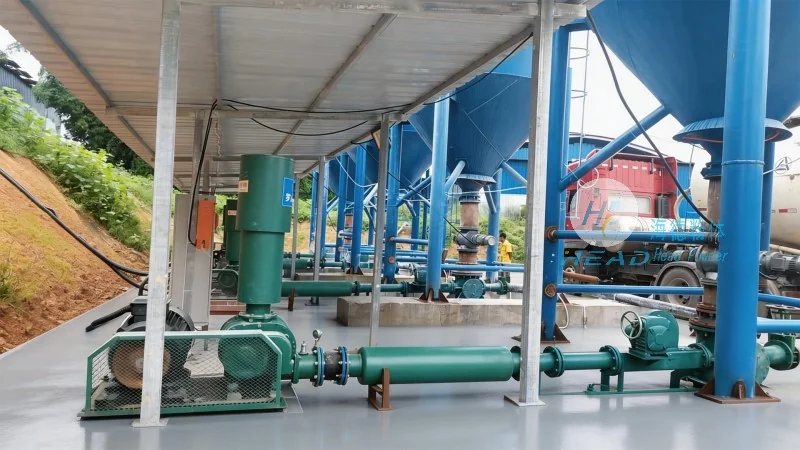
Introduction to Inorganic Salt Crystal Powder Conveying Systems
Inorganic salt crystal powders, such as sodium chloride, potassium chloride, or various industrial salts, are widely used in chemical, food, and pharmaceutical industries. The efficient handling and transportation of these powders are critical for maintaining product quality, reducing operational costs, and ensuring safety in industrial processes. A well-designed powder conveying system addresses challenges like dust generation, material segregation, and system maintenance, making it an essential component in modern manufacturing facilities. HeadPowder Engineering Co., Ltd., based in Shandong, China, has developed specialized solutions tailored to the unique requirements of inorganic salt crystal powder handling, combining advanced engineering with practical application expertise.
Key Components of the Conveying System
The inorganic salt crystal powder conveying system typically consists of several interconnected components that work in synergy to achieve seamless material transport. The primary components include a hopper for material storage, a feeder to control the flow rate, a conveyor mechanism (such as a screw conveyor, pneumatic conveyor, or belt conveyor), and a control system for monitoring and adjusting operations. Each component plays a crucial role in the overall functionality of the system.
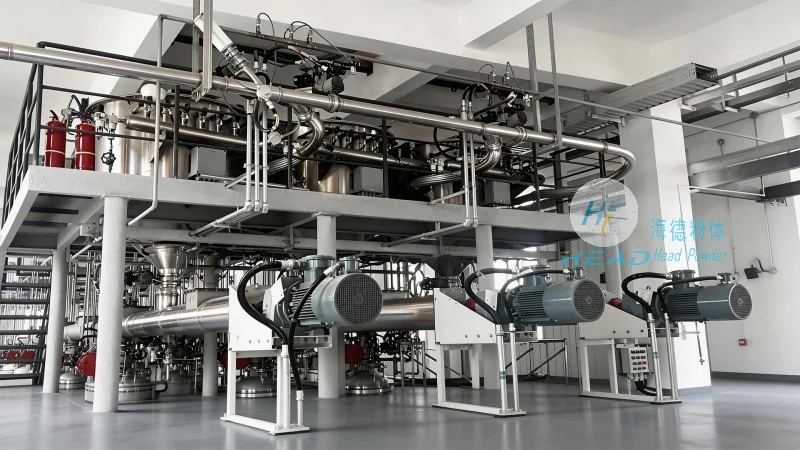
The hopper is designed to store the inorganic salt crystals and maintain a consistent material level. It is equipped with a discharge valve or gate to regulate the flow of material into the feeder. The feeder, often a rotary valve or a vibratory feeder, ensures a controlled and uniform flow of powder into the conveyor, preventing overloading and maintaining stable operation. The conveyor mechanism is the core of the system, responsible for transporting the powder from the feeder to the discharge point. For inorganic salt crystals, screw conveyors are commonly used due to their ability to handle dry, free-flowing powders without causing excessive friction or degradation. Pneumatic conveyors are also employed in certain applications, especially when long-distance transport or high-purity requirements are needed.
Working Principle of the Conveying Process
The operation of the inorganic salt crystal powder conveying system follows a systematic sequence of steps, each designed to optimize material movement and system performance. The process begins with the loading of the hopper with the inorganic salt crystals. The control system then activates the feeder, which releases a controlled amount of powder into the conveyor. The conveyor mechanism then moves the powder forward, either by mechanical rotation (screw conveyor) or air pressure (pneumatic conveyor), to the discharge point. The discharge point is typically a collection bin or a processing unit where the powder is further utilized.
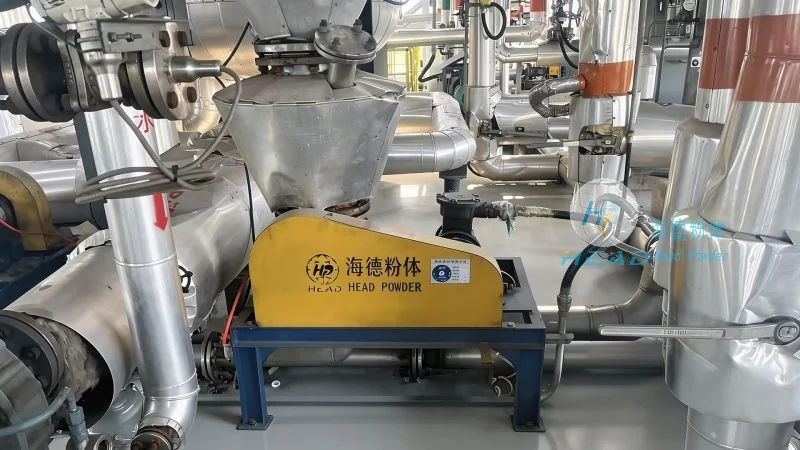
During the conveying process, the system continuously monitors key parameters such as flow rate, pressure, and temperature to ensure optimal performance. The control system adjusts the feeder speed or conveyor speed as needed to maintain a stable flow and prevent blockages or overloading. For example, if the material flow rate increases, the feeder speed can be reduced to maintain a consistent output. Similarly, if the conveyor experiences a blockage, the system may automatically shut down or activate a cleaning mechanism to restore normal operation. This feedback control loop ensures the system operates efficiently and safely, minimizing downtime and material loss.
Advantages and Applications of the System
The inorganic salt crystal powder conveying system developed by HeadPowder Engineering Co., Ltd. offers several advantages that make it suitable for a wide range of industrial applications. One of the key benefits is its ability to handle dry, free-flowing powders without causing segregation or agglomeration. The system is designed to maintain the integrity of the inorganic salt crystals, ensuring that the material properties are preserved throughout the conveying process. This is particularly important for applications where the powder quality directly impacts the final product, such as in food processing or pharmaceutical manufacturing.
Another advantage is the system's efficiency in reducing dust generation and improving safety. The enclosed design of the conveyor and hopper minimizes dust exposure, complying with occupational health and safety regulations. Additionally, the system's low maintenance requirements and long service life contribute to cost savings for industrial users. The modular design of the system allows for easy integration into existing production lines, making it a flexible solution for various manufacturing environments.
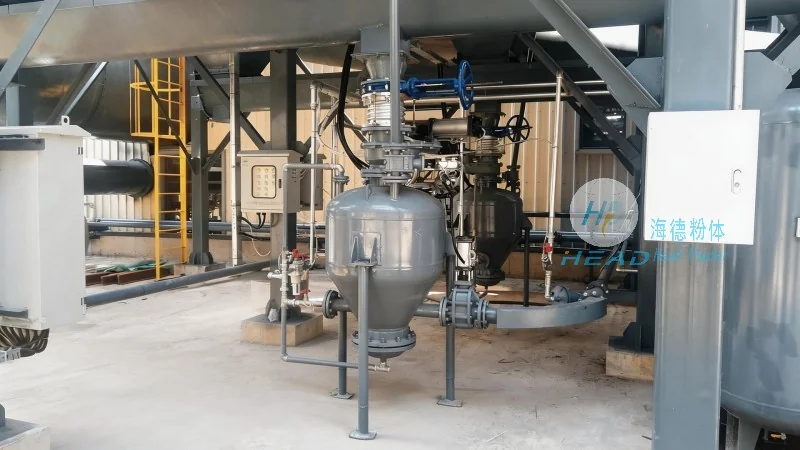
The applications of this conveying system are diverse and include the chemical industry for transporting raw materials, the food industry for handling salt products, and the pharmaceutical industry for processing active ingredients. In each case, the system's ability to handle inorganic salt crystals reliably and efficiently enhances production throughput and product quality. HeadPowder Engineering Co., Ltd. has successfully implemented these systems in numerous projects, demonstrating its expertise in providing tailored solutions for specific industrial needs.
Conclusion
In conclusion, the operation process and working principle of the inorganic salt crystal powder conveying system are critical to the efficient handling of inorganic salt powders in various industrial applications. The system's design, incorporating key components like hoppers, feeders, and conveyors, along with a robust control system, ensures reliable and safe material transport. HeadPowder Engineering Co., Ltd., with its headquarters in Shandong, China, has established itself as a trusted provider of such systems, offering advanced technology and practical solutions to meet the demands of modern manufacturing. By understanding the operational process and working principles, industry professionals can make informed decisions about implementing or upgrading their powder handling systems, ultimately improving productivity and product quality.