

Operation Process and Working Principle of Dry Mortar Powder Conveying System
HeadPowder, a leading manufacturer based in Shandong, China, specializes in providing advanced dry mortar powder conveying systems. These systems are crucial for efficiently transporting dry mortar powders in construction and building material applications. The following content will detail the operation process and working principles of such systems, highlighting the key components and their functions.
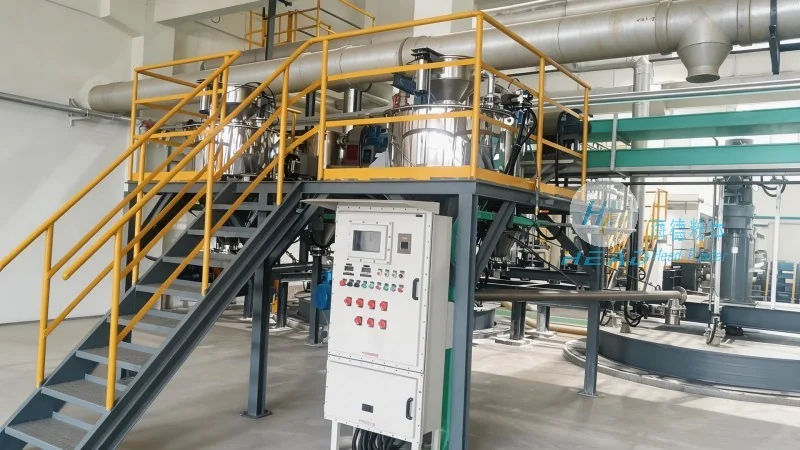
Key Components of the Dry Mortar Powder Conveying System
The dry mortar powder conveying system typically consists of several essential components that work in tandem to ensure smooth and reliable powder transport. These components include a hopper for material storage, a conveyor or pneumatic system for material movement, a control panel for system operation, and a dust collection system for environmental protection. Each component plays a vital role in the overall functionality of the system.
Operation Process of the Dry Mortar Powder Conveying System
The operation process of the dry mortar powder conveying system begins with the loading of dry mortar powders into the hopper. The material is then fed into the conveying system, which may use either mechanical or pneumatic methods to transport the powder. In a mechanical system, a screw conveyor or belt conveyor moves the powder from the hopper to the discharge point. In a pneumatic system, compressed air is used to create a flow of air and powder, transporting the material through pipes. The control panel allows operators to adjust the speed and flow rate of the conveyor, ensuring precise control over the powder delivery. The dust collection system is activated during the conveying process to capture any airborne particles, maintaining a clean and safe working environment.
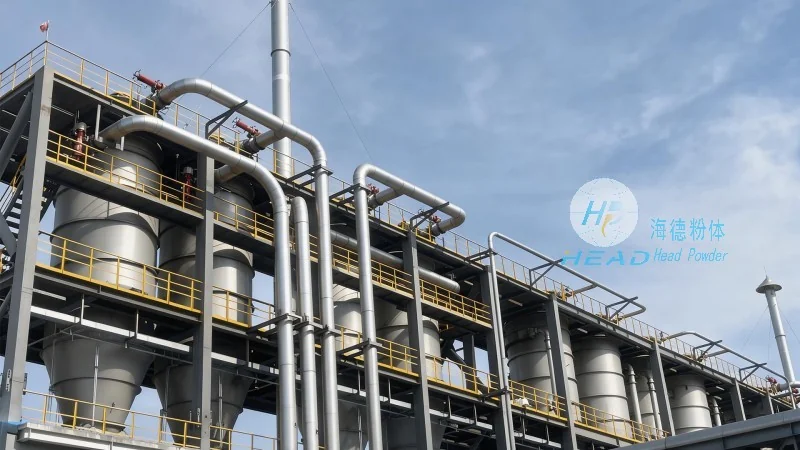
Working Principle of the Dry Mortar Powder Conveying System
The working principle of the dry mortar powder conveying system is based on the principles of fluidization and air movement. In a pneumatic conveying system, for example, compressed air is introduced into the hopper and the conveying pipes, creating a low-pressure zone that draws the dry mortar powder into the air stream. The powder particles are then carried through the pipes to the discharge point. The system maintains a consistent air flow and pressure to ensure that the powder is transported without clogging or segregation. The mechanical components, such as screw conveyors, rely on the rotation of the screw to push the powder forward, utilizing friction and gravity to move the material. The control system monitors the pressure, flow rate, and temperature to prevent overloading or system failure, ensuring reliable operation.
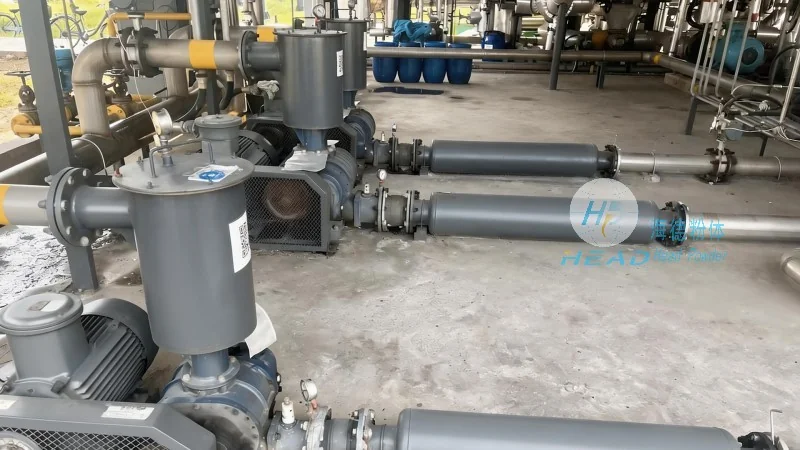
Advantages of the Dry Mortar Powder Conveying System
HeadPowder's dry mortar powder conveying systems offer several advantages over traditional manual or bucket elevator systems. These systems provide high efficiency and capacity, allowing for continuous and uninterrupted powder transport. The pneumatic systems are particularly effective for transporting fine powders without causing segregation or degradation. The mechanical systems are more suitable for bulkier materials or where air quality is a concern. The systems also reduce labor costs and improve safety by minimizing manual handling of powders. Additionally, the dust collection system helps to comply with environmental regulations and maintain a clean workplace.
Application in Construction and Building Material Industry
Dry mortar powder conveying systems are widely used in the construction and building material industry for the transportation of various dry mortar powders, including cement, lime, sand, and additives. These systems are essential for large-scale production facilities, where efficient material handling is critical to meeting production targets. The systems are also used in precast concrete plants, where dry mortar is used for finishing and sealing surfaces. The reliability and efficiency of the conveying systems ensure that the production process remains smooth and consistent, reducing downtime and increasing overall productivity.