

Operation Process and Working Principle of Sintering Dust Powder Material Handling System
Understanding the operation process and working principle of a sintering dust powder material handling system is crucial for optimizing industrial efficiency and ensuring safe material transport. This system, commonly used in sintering plants, is designed to handle fine powders and dust generated during the sintering process. The following sections detail the key components, operational steps, and technical principles that govern the system's performance.
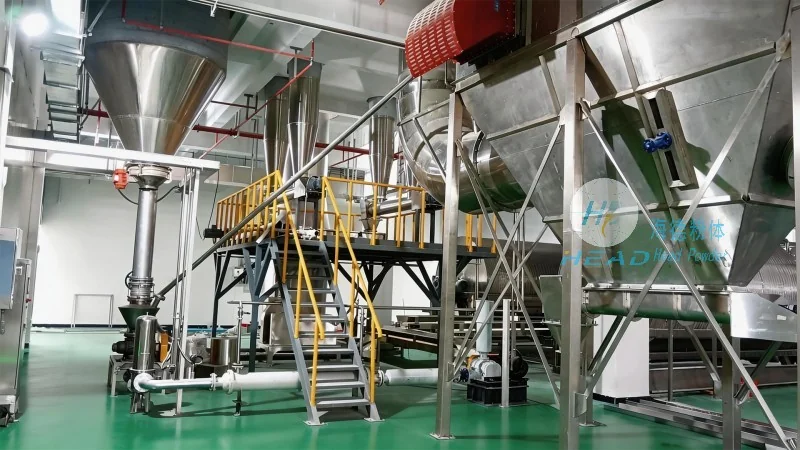
Introduction to Sintering Dust Powder Handling Systems
HeadPowder Engineering Co., Ltd., a leading provider of material handling solutions based in Shandong, China, specializes in designing and manufacturing advanced systems for transporting sintering dust and other fine powders. These systems are engineered to meet the demanding requirements of modern sintering operations, ensuring reliable, efficient, and safe material transport. The core of such systems lies in their ability to handle abrasive and potentially hazardous materials while maintaining high throughput and low maintenance costs.
Key Components of the Material Handling System
The sintering dust powder conveying system typically consists of several critical components that work in tandem to ensure smooth operation. These include: feed hoppers, which collect and store the sintering dust; feeding mechanisms such as rotary valves or screw feeders that regulate the flow of material into the conveying line; conveying equipment like pneumatic ducts or mechanical conveyors that transport the powder; and discharge units that deliver the material to its final destination. Each component is carefully selected and integrated to ensure compatibility with the specific characteristics of sintering dust, such as particle size, moisture content, and abrasiveness.
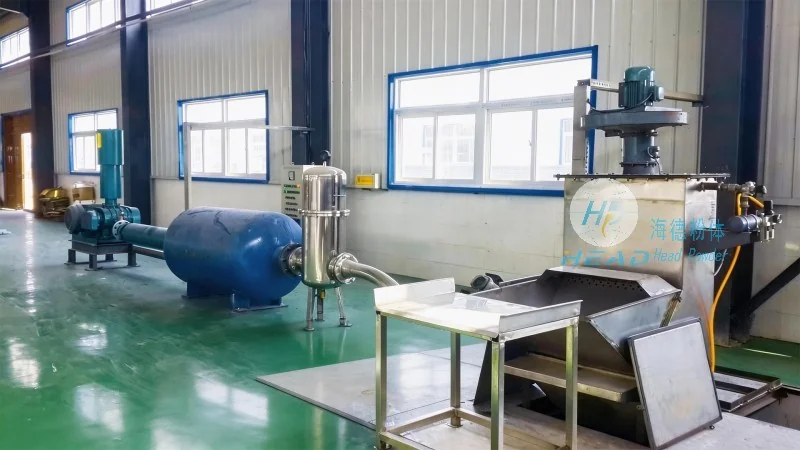
Operation Process: Step-by-Step Overview
The operation of the sintering dust powder material handling system follows a systematic process, starting from material intake to final discharge. The process begins with the collection of sintering dust in the feed hopper. The hopper is designed with a sloped bottom to facilitate the flow of material into the feeding mechanism. Once the material is in the hopper, a rotary valve or screw feeder controls the discharge rate, ensuring a consistent and controlled flow into the conveying line. The conveying equipment then transports the dust through the system, using either air pressure (in pneumatic systems) or mechanical force (in mechanical systems) to move the material along the duct or conveyor. The system may include intermediate silos or storage tanks to buffer the material and maintain a steady flow. Finally, the discharge unit delivers the sintering dust to the intended processing or disposal location, completing the cycle.
Working Principle: How the System Transfers Material
The working principle of the sintering dust powder conveying system is based on the physics of material transport, leveraging either pneumatic or mechanical forces to move the fine powder. In pneumatic conveying systems, compressed air is used to create a flow that carries the dust particles through the duct. The air velocity is carefully controlled to ensure that the particles remain suspended and do not settle, preventing blockages and ensuring efficient transport. Mechanical conveyors, on the other hand, use rotating blades or belts to physically move the material along the system. This method is often preferred for handling abrasive or sticky materials, as it provides more direct control over the material flow and reduces the risk of air leakage or contamination.

Advantages and Applications of the System
The sintering dust powder material handling system offers several advantages that make it an ideal solution for industrial applications. These include high throughput capabilities, which allow for the efficient transport of large volumes of sintering dust; low maintenance requirements, as the system is designed with durable components that resist wear and tear; and flexibility in handling different material types, making it suitable for various sintering processes. The system is widely used in steel mills, non-ferrous metal production facilities, and other industries where sintering is a key step in the production process. It helps in reducing material loss, improving process efficiency, and ensuring compliance with environmental regulations by effectively managing dust emissions.
Conclusion and Company Overview
HeadPowder Engineering Co., Ltd. continues to innovate in the field of material handling systems, providing customized solutions that meet the unique needs of each client. By understanding the operation process and working principle of sintering dust powder conveying systems, industries can enhance their operational efficiency, reduce costs, and ensure safe handling of hazardous materials. The company's expertise in designing and manufacturing these systems ensures that clients receive reliable, high-performance equipment that contributes to their overall success. With a strong presence in Shandong, China, HeadPowder remains committed to delivering quality solutions that drive industrial progress.