

Operation Process and Working Principle of Dry Flue Gas Desulfurization Ash Pneumatic Conveying Equi
Understanding the operation process and working principle of dry flue gas desulfurization (FGD) ash pneumatic conveying equipment is crucial for optimizing industrial waste management and enhancing the efficiency of power plant operations. This equipment plays a vital role in transporting desulfurization byproducts, such as fly ash and gypsum, from the FGD system to disposal or utilization sites. The following content provides a detailed overview of the equipment's operation, its key components, and the underlying principles that enable effective ash transport.
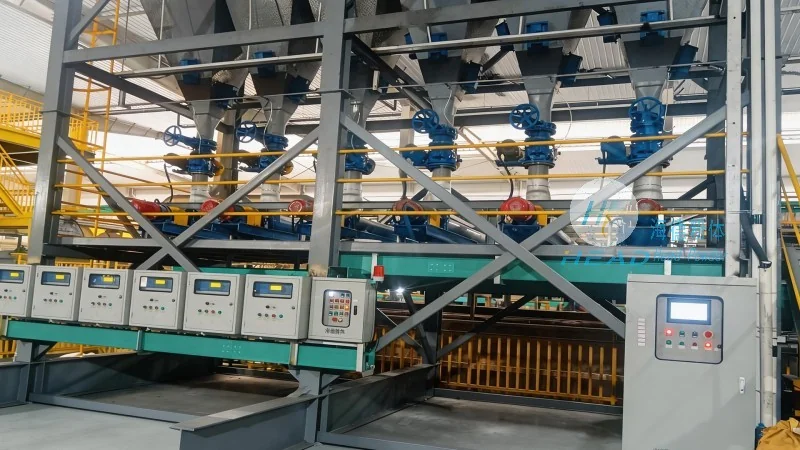
Introduction to Dry FGD Ash Pneumatic Conveying Systems
Dry flue gas desulfurization ash, commonly known as FGD ash, is a byproduct generated during the removal of sulfur dioxide from flue gases in thermal power plants. This ash, typically composed of calcium sulfate (gypsum) and fly ash, must be transported efficiently to avoid environmental contamination and to facilitate its reuse in construction materials or other industrial applications. Pneumatic conveying systems offer a reliable solution for this task, utilizing air as the conveying medium to move the ash through pipelines.
Key Components of the Pneumatic Conveying Equipment
The dry FGD ash pneumatic conveying system consists of several critical components that work in tandem to ensure smooth operation. These components include the ash feeder, air compressor, conveying pipeline, control system, and dust collection equipment. Each component is designed to handle the specific characteristics of FGD ash, such as its particle size, moisture content, and bulk density.
Operation Process of the Pneumatic Conveying System
The operation process of the dry FGD ash pneumatic conveying equipment can be broken down into several sequential steps. First, the ash is collected from the FGD system and fed into the ash feeder. The feeder then meters the ash at a controlled rate, ensuring a consistent flow into the conveying pipeline. Simultaneously, the air compressor generates high-pressure air, which is introduced into the pipeline to create a flow of air and ash mixture. The air acts as a carrier, lifting and transporting the ash particles through the pipeline to the destination point.
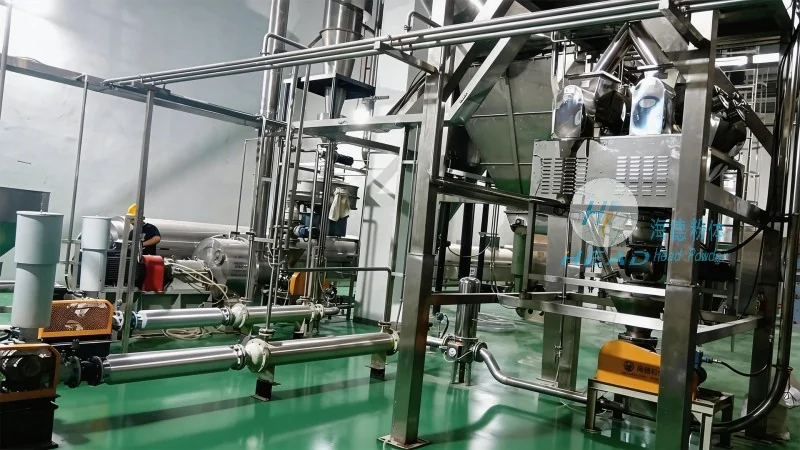
As the ash mixture travels through the pipeline, it may encounter various sections, such as bends, expansions, or reductions in diameter. The design of these sections is critical to maintain the air-ash mixture's stability and prevent ash deposition or blockages. The conveying velocity is carefully controlled to ensure that the ash particles remain suspended in the air stream, avoiding settling or clogging. The control system monitors parameters like pressure, flow rate, and temperature to adjust the air supply and feeder operation as needed, maintaining optimal conveying conditions.
Working Principle of the Pneumatic Conveying Technology
The working principle of the dry FGD ash pneumatic conveying system is based on the fundamental physics of fluid dynamics and particle transport. The system operates on the principle of creating a pressure differential between the inlet and outlet of the conveying pipeline. The air compressor provides the necessary pressure to overcome the resistance of the pipeline and the weight of the ash particles, enabling them to be transported over long distances.
When the ash is introduced into the pipeline, it is entrained by the high-velocity air stream. The air velocity must be sufficient to overcome the gravitational force acting on the ash particles and to provide the necessary lift. The particle size and density of the ash also influence the required air velocity and pressure. For example, finer ash particles may require higher air velocities to remain suspended, while larger particles may need higher pressure to be transported effectively.
Advantages of Dry FGD Ash Pneumatic Conveying
Compared to traditional mechanical conveying methods, dry FGD ash pneumatic conveying offers several advantages. These include reduced maintenance costs, as there are no moving parts in contact with the ash, and lower energy consumption due to the efficient use of air as the conveying medium. The system also allows for flexible routing of the pipeline, enabling the ash to be transported to multiple destinations without the need for complex infrastructure. Additionally, the dry nature of the ash reduces the risk of moisture-related issues, such as corrosion or blockages, which are common in wet conveying systems.
Application and Industrial Significance
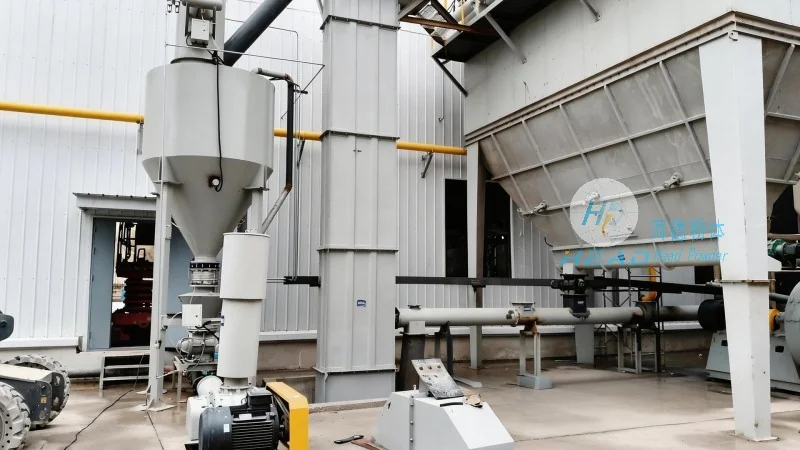
Dry FGD ash pneumatic conveying equipment is widely used in power plants and industrial facilities that employ flue gas desulfurization technology. The equipment ensures that the desulfurization byproducts are handled safely and efficiently, contributing to environmental compliance and resource recovery. By effectively transporting the ash to disposal or utilization sites, the system helps to minimize the environmental impact of power generation and promote sustainable industrial practices.
About Shandong HeadPowder Engineering Co., Ltd.
Shandong HeadPowder Engineering Co., Ltd., a leading provider of industrial conveying solutions, specializes in designing and manufacturing advanced pneumatic conveying systems for various applications, including dry FGD ash transport. With years of experience in the field, the company has developed state-of-the-art equipment that meets the highest standards of efficiency, reliability, and environmental compliance. HeadPowder's commitment to innovation and customer satisfaction has made it a trusted partner for power plants and industrial clients seeking to optimize their ash handling processes.
Conclusion
In conclusion, the operation process and working principle of dry flue gas desulfurization ash pneumatic conveying equipment are critical to the effective management of industrial waste and the sustainability of power generation. The equipment's ability to transport ash efficiently and safely has made it an indispensable component of modern FGD systems. With the expertise and technology offered by companies like Shandong HeadPowder Engineering Co., Ltd., the industry continues to advance in the development of more efficient and environmentally friendly ash handling solutions.