

The Operation Process and Working Principle of Talc Powder Pneumatic Conveying
For industries dealing with talc powder, efficient material handling is crucial for maintaining production efficiency and product quality. Pneumatic conveying systems have emerged as a reliable solution for transporting talc powder, offering advantages such as dust-free operation, reduced contamination, and improved safety. This article delves into the operation process and working principle of talc powder pneumatic conveying, highlighting the key components, operational steps, and benefits of this technology.
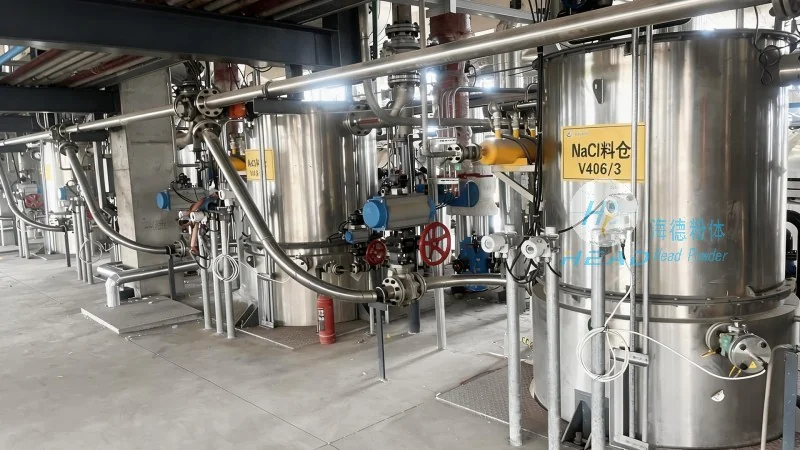
Introduction to Talc Powder Pneumatic Conveying
Talc powder, a soft mineral widely used in various industries including cosmetics, pharmaceuticals, and manufacturing, requires specialized handling due to its fine particle size and light weight. Traditional methods like bucket elevators or belt conveyors may not be suitable for talc powder as they can lead to material degradation, dust generation, and operational inefficiencies. Pneumatic conveying addresses these challenges by using air pressure to transport the powder through a pipeline system. The system typically consists of a blower, a hopper for material storage, a conveying line, and a discharge point, ensuring a continuous and controlled flow of talc powder.
Key Components of the Pneumatic Conveying System
The effectiveness of a talc powder pneumatic conveying system relies on several critical components that work in harmony to ensure smooth operation. The primary components include:
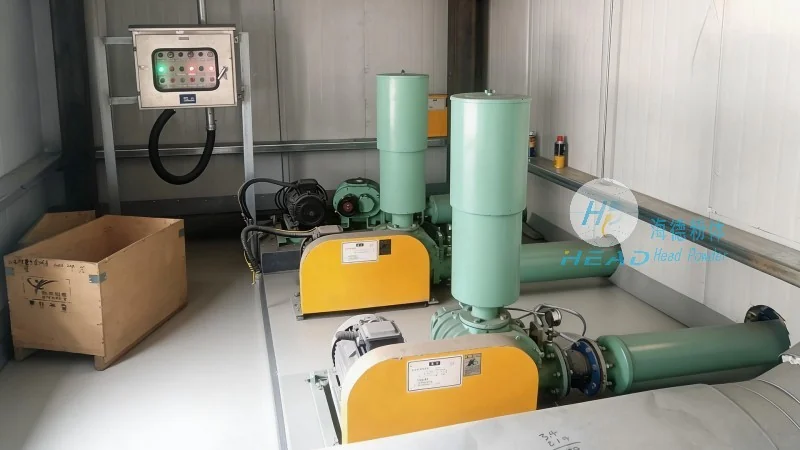
1. Blower or Air Compressor: This is the heart of the system, providing the necessary air pressure and volume to move the talc powder through the pipeline. The choice of blower (positive displacement or centrifugal) depends on the system's capacity and the specific characteristics of the talc powder, such as particle size and moisture content.
2. Talc Powder Hopper: The hopper serves as the storage container for the talc powder, allowing for a continuous feed into the conveying line. It is designed with a feed mechanism, such as a rotary valve or a star feeder, to control the flow rate of the powder and prevent blockages.
3. Conveying Line: The pipeline, usually made of stainless steel or other corrosion-resistant materials, is where the talc powder is transported. The line is equipped with bends, elbows, and sometimes pulse jets to maintain the flow and prevent powder accumulation or clogging.
4. Receiver or Discharge Point: The end of the conveying line where the talc powder is deposited. This component is designed to handle the powder gently, minimizing degradation and ensuring a clean discharge.
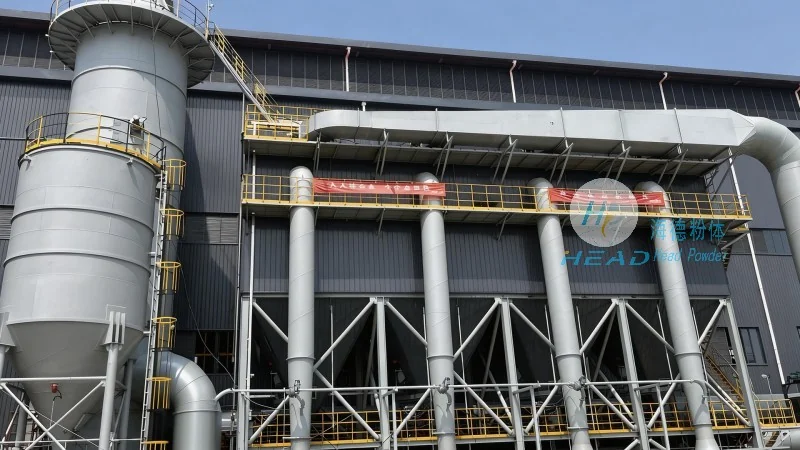
Operation Process of Talc Powder Pneumatic Conveying
The operation process of a talc powder pneumatic conveying system involves several sequential steps that ensure the efficient transport of the material. The process typically begins with the loading of talc powder into the hopper. Once the hopper is filled, the feed mechanism starts to release the powder into the conveying line. Simultaneously, the blower generates the required air pressure, which draws the talc powder particles into the pipeline.
As the powder enters the conveying line, it is suspended in the air stream and carried to the discharge point. The air velocity within the pipeline must be sufficient to keep the powder particles in suspension, preventing them from settling and causing blockages. The system may include a pulse jet system that periodically injects bursts of high-pressure air to clear any potential obstructions and maintain consistent flow.
Upon reaching the receiver, the talc powder is discharged into the target container. The air, now mixed with the powder, is then filtered and returned to the blower, completing the cycle. This closed-loop system ensures minimal air loss and maintains a clean operating environment.
Working Principle of Talc Powder Pneumatic Conveying
The working principle of talc powder pneumatic conveying is based on the principle of fluidization and suspension. The system uses compressed air to create a flow that lifts and transports the talc powder particles. The key to effective conveying is maintaining the powder in a suspended state, where the air velocity is sufficient to overcome the gravitational force acting on the particles.
When the air is introduced into the hopper, it creates a low-pressure zone that draws the talc powder into the conveying line. The powder particles are then carried along the pipeline by the air stream. The velocity of the air must be higher than the terminal velocity of the talc powder particles to keep them in suspension. If the air velocity is too low, the particles will settle and cause blockages, while too high a velocity may lead to excessive wear on the pipeline and equipment.
The system's efficiency depends on the balance between air pressure, flow rate, and the physical properties of the talc powder. Proper design and maintenance of the components are essential to ensure optimal performance. For example, the blower must be sized correctly to handle the system's capacity, and the conveying line must be properly sized to avoid excessive pressure drop and energy consumption.
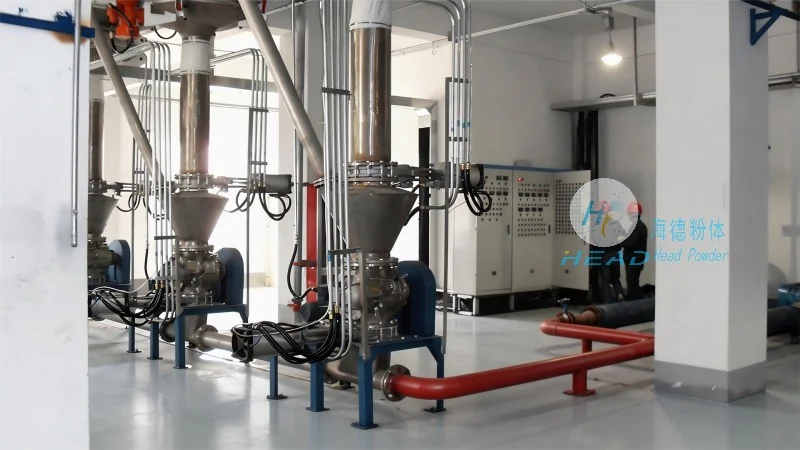
Benefits of Talc Powder Pneumatic Conveying
Implementing a pneumatic conveying system for talc powder offers several advantages that enhance operational efficiency and product quality. These benefits include:
1. Dust-Free Operation: Unlike traditional methods, pneumatic conveying prevents dust generation, reducing the risk of contamination and improving workplace safety.
2. Reduced Material Degradation: The gentle handling of talc powder in the system minimizes particle breakage and degradation, preserving the quality of the final product.
3. Improved Product Quality: By preventing contamination and maintaining the powder's integrity, the system ensures that the talc powder delivered to the next stage of production meets the required specifications.
4. Enhanced Safety: The enclosed system reduces the exposure of workers to talc powder dust, lowering the risk of respiratory issues and other health hazards.
5. Space Efficiency: Pneumatic conveying systems are compact and can be installed in confined spaces, making them suitable for facilities with limited floor space.
Applications and Industries
Talc powder pneumatic conveying is widely used in various industries where fine powders need to be transported efficiently. Some of the key applications include:
1. Cosmetics and Personal Care: Talc powder is a common ingredient in cosmetics, and pneumatic conveying ensures that the powder is handled without contamination, maintaining the quality of the final products.
2. Pharmaceuticals: In the pharmaceutical industry, the purity and quality of talc powder are critical. Pneumatic conveying systems help maintain these standards by preventing contamination and ensuring a clean handling process.
3. Manufacturing and Plastics: Talc powder is used as a filler in plastics and other manufacturing processes. Pneumatic conveying allows for the efficient transport of the powder to production lines, improving overall production efficiency.
4. Construction Materials: Talc powder is used in the production of paints, coatings, and other construction materials. The system ensures that the powder is handled safely and efficiently, reducing waste and improving product consistency.
Conclusion
Talc powder pneumatic conveying is a sophisticated and efficient method for transporting fine powders, offering numerous benefits over traditional material handling systems. By understanding the operation process and working principle of this technology, industries can optimize their material handling processes, improve product quality, and enhance operational safety. For companies seeking reliable solutions for talc powder handling, Shandong HeadPowder Engineering Co., Ltd. provides expert design, manufacturing, and installation services, ensuring that their pneumatic conveying systems meet the highest standards of performance and efficiency.