

Operation Process and Working Principle of BaCO3 Pneumatic Conveying
HeadPowder, a leading provider in the field of powder handling technology, specializes in the design, manufacturing, and implementation of pneumatic conveying systems for various industrial applications. This article focuses on the operation process and working principle of BaCO3 (barium carbonate) pneumatic conveying systems, highlighting the key components, operational procedures, and technical aspects that ensure efficient and reliable material transport.
Introduction to BaCO3 Pneumatic Conveying Systems
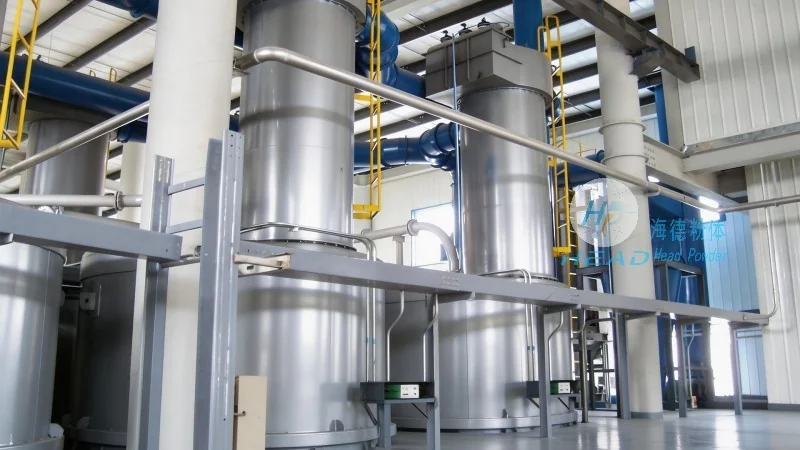
BaCO3, a white crystalline powder commonly used in industries such as ceramics, glass, and chemical manufacturing, requires specialized handling due to its fine particle size and potential for dust generation. Pneumatic conveying offers an effective solution for transporting BaCO3 from storage silos to processing equipment, minimizing material loss and ensuring a clean, dust-free environment. The systems are designed to handle the unique properties of BaCO3, including its density, flowability, and reactivity, while maintaining high efficiency and safety standards.
Key Components of the Pneumatic Conveying System
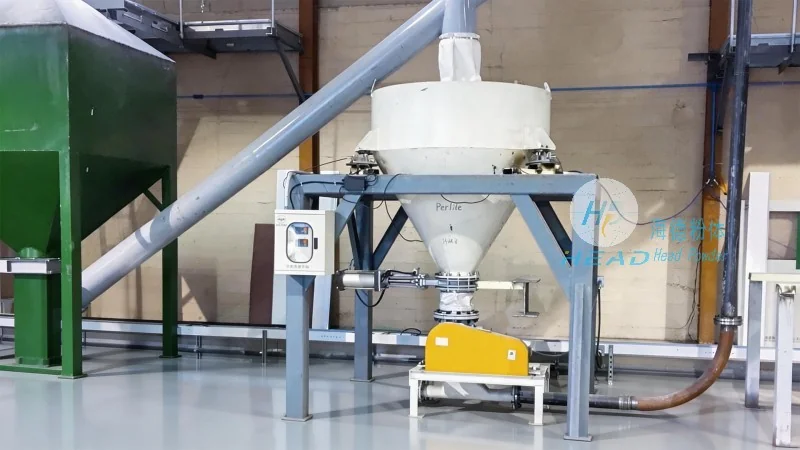
The BaCO3 pneumatic conveying system typically consists of several critical components that work in tandem to achieve seamless material transport. These include a storage silo or hopper for material storage, a feeder to control the flow rate of BaCO3, a conveying line (usually made of stainless steel or other corrosion-resistant materials), a vacuum or pressure source (air compressor or vacuum pump), and a receiver or discharge point where the material is deposited. Each component plays a vital role in the overall operation, and their proper integration is essential for optimal performance.
Working Principle of the System
The working principle of a pneumatic conveying system for BaCO3 involves the use of air or gas to create a flow that transports the powder through the conveying line. In a typical pressure system, compressed air is introduced into the material, causing it to become suspended and move along the pipeline. The air pressure is carefully controlled to maintain a consistent flow rate, preventing blockages and ensuring that the BaCO3 particles are evenly distributed. In a vacuum system, the air is drawn from the receiving end, creating a negative pressure that pulls the material through the line. The choice between pressure and vacuum systems depends on factors such as the distance to be covered, the material's properties, and the desired flow rate.
Operation Process of the BaCO3 Pneumatic Conveying System
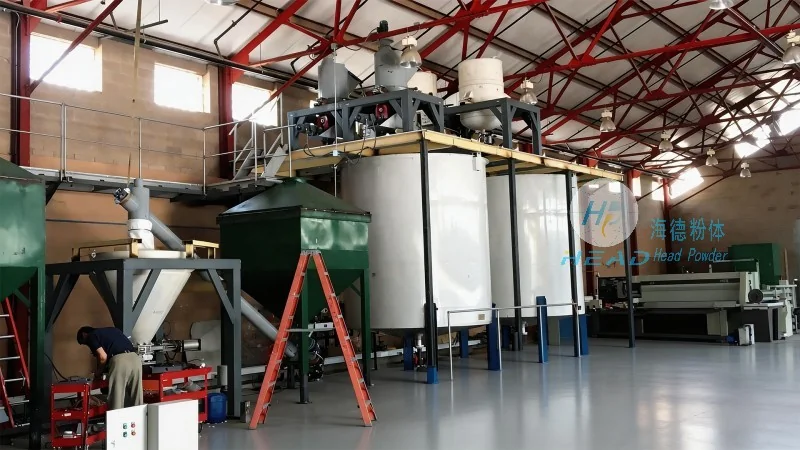
The operation process of the BaCO3 pneumatic conveying system begins with the loading of the storage silo with the raw BaCO3 material. The feeder then regulates the flow of the powder into the conveying line, ensuring a steady supply to the system. The air compressor or vacuum pump provides the necessary pressure or vacuum to initiate the material transport. As the air flows through the pipeline, it suspends the BaCO3 particles, and they are carried to the receiver where they are discharged into the processing equipment. The system continuously monitors the flow rate and pressure, adjusting as needed to maintain optimal performance. Regular maintenance, such as cleaning the conveying line and checking the air filter, is essential to prevent clogging and ensure long-term reliability.
Advantages of Using Pneumatic Conveying for BaCO3
Pneumatic conveying offers several advantages when handling BaCO3. It provides a dust-free and enclosed transport process, reducing the risk of contamination and improving workplace safety. The system is also capable of handling fine powders without the need for additional equipment, such as conveyor belts or elevators, which can be prone to material loss and maintenance issues. Additionally, pneumatic conveying systems can be designed to operate at high speeds, reducing the overall transport time and increasing productivity. The flexibility of the system allows for easy integration with existing processing lines, making it a cost-effective solution for BaCO3 handling.
Conclusion
HeadPowder's expertise in pneumatic conveying technology ensures that BaCO3 is transported efficiently and safely. By understanding the operation process and working principle of these systems, industries can optimize their material handling processes, reduce costs, and improve overall productivity. The company's commitment to quality and innovation has made it a trusted partner for businesses seeking reliable solutions for BaCO3 and other powder materials.