

The Operation Process and Working Principle of Bread Flour Pneumatic Conveying
Understanding the operation process and working principle of bread flour pneumatic conveying is crucial for optimizing material handling in food processing industries. This technology efficiently transports bulk materials like bread flour through a pressurized or vacuum system, ensuring minimal product degradation and maintaining hygiene standards essential for food production.
Overview of Pneumatic Conveying Systems
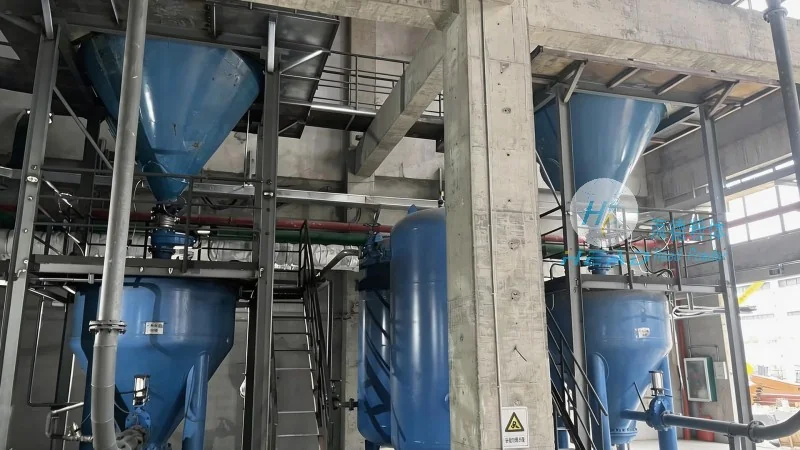
Pneumatic conveying systems for bread flour typically consist of a hopper, a conveyor line, and a dust collector. The system operates by creating a pressure differential that moves the flour particles through the pipeline. There are two main types: dilute phase and dense phase, each offering different advantages based on the material characteristics and required transport distance.
Key Components and Their Functions
The core components of a bread flour pneumatic conveying system include the feed hopper, which stores and feeds the flour into the system; the air compressor or vacuum pump that generates the necessary pressure or suction; the pipeline network that transports the flour; and the receiver or discharge hopper where the flour is collected. Each component plays a vital role in ensuring smooth and efficient operation.
Operation Process: Step-by-Step
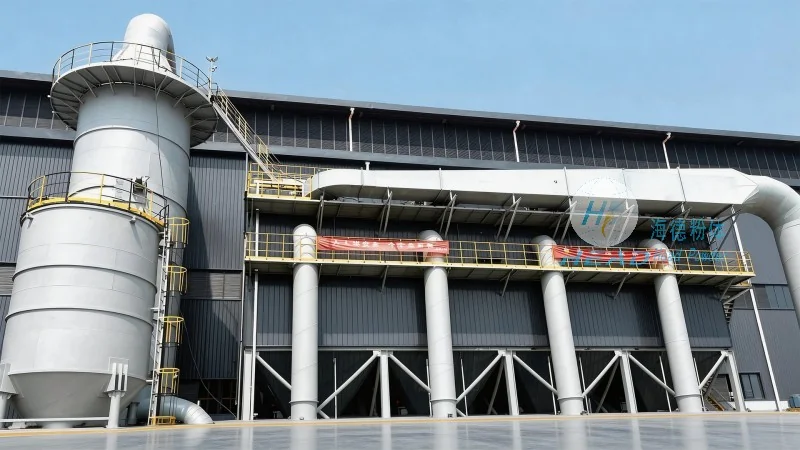
The operation process of bread flour pneumatic conveying involves several key steps. First, the bread flour is loaded into the feed hopper. The system then activates the air compressor, which introduces air into the pipeline, creating a flow that draws the flour particles along. The flour travels through the pipeline, often mixed with air, and is directed to the receiver. The system may include a filter or cyclone to separate the flour from the air before discharge, ensuring clean material collection.
Working Principle: How It Works
The working principle of pneumatic conveying relies on the principles of fluid dynamics and particle movement. In dilute phase systems, the flour particles are suspended in the air stream, moving at high velocities through the pipeline. The pressure drop along the pipeline is managed to maintain the flow without causing excessive wear or degradation. In dense phase systems, the flour is conveyed at lower velocities, often with a higher air-to-material ratio, which reduces particle impact and improves product quality.
Benefits and Applications in Food Processing
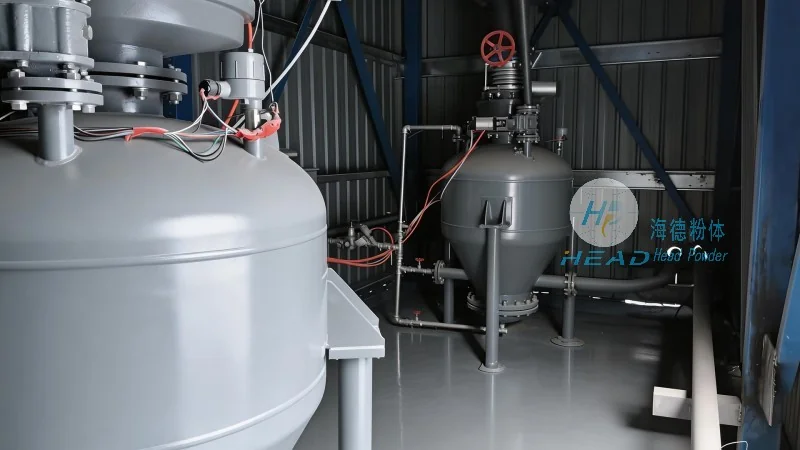
Pneumatic conveying systems offer several benefits for bread flour handling, including high efficiency, minimal product contamination, and the ability to transport materials over long distances without the need for mechanical components like belts or buckets. These systems are widely used in bakeries, flour mills, and food processing plants where maintaining product quality and hygiene is paramount. The technology ensures that bread flour is moved safely and effectively, supporting consistent production processes.
About Shandong HeadPowder Engineering Co., Ltd.
Shandong HeadPowder Engineering Co., Ltd., operating under the brand name HeadPowder, specializes in designing and manufacturing advanced pneumatic conveying systems tailored for the food industry. With a focus on innovation and quality, the company provides customized solutions that meet the specific needs of clients, ensuring reliable and efficient material handling for bread flour and other bulk food products. HeadPowder's expertise in pneumatic technology helps food processing facilities optimize their operations, reduce downtime, and maintain high standards of product safety and quality.