

Operation Process and Working Principle of Dry Manure Pneumatic Conveying
Dry manure pneumatic conveying systems are essential in modern agricultural and waste management operations, providing an efficient method for transporting bulk materials like dry manure. These systems utilize air pressure to move materials through a pipeline, offering advantages such as reduced labor, minimized contamination, and improved hygiene compared to traditional methods. The technology is widely adopted by farms and processing facilities seeking to streamline their material handling processes. HeadPowder, a leading manufacturer of such systems, specializes in providing high-quality, reliable equipment tailored to the needs of agricultural and waste management industries.
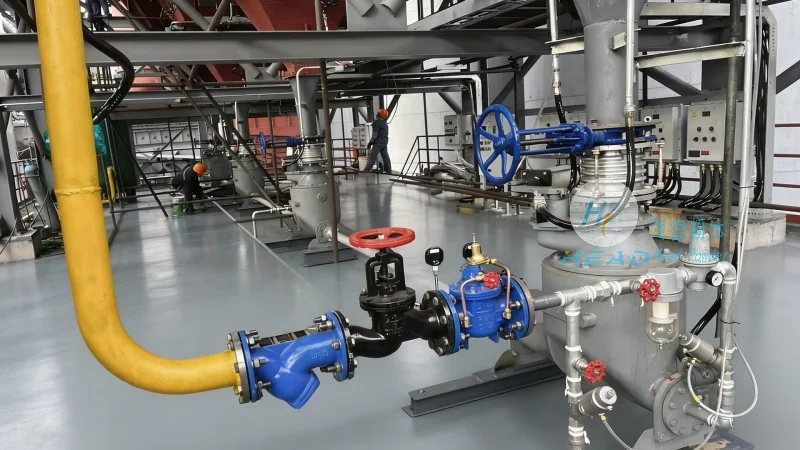
Key Components of a Dry Manure Pneumatic Conveying System
A typical dry manure pneumatic conveying system consists of several critical components that work in tandem to ensure smooth operation. The main parts include a material hopper for storing the dry manure, a rotary feeder or screw conveyor to control the flow rate, a positive displacement blower or air compressor that generates the necessary air pressure, a pipeline network to transport the material, and a receiver or discharge hopper at the destination. Each component plays a vital role in maintaining the system's efficiency and reliability.
Working Principle of Dry Manure Pneumatic Conveying
The operation of a dry manure pneumatic conveying system is based on the principle of air pressure and fluid dynamics. When the system is activated, the blower or compressor creates a high-pressure air stream within the pipeline. Simultaneously, the rotary feeder introduces dry manure into the air stream at a controlled rate. The air and material mixture then travels through the pipeline to the receiving end, where the air is separated from the material, typically using a cyclone separator or filter. The separated air is then returned to the blower, while the dry manure is collected in the receiver. This process allows for continuous, unattended operation, making it ideal for large-scale applications.
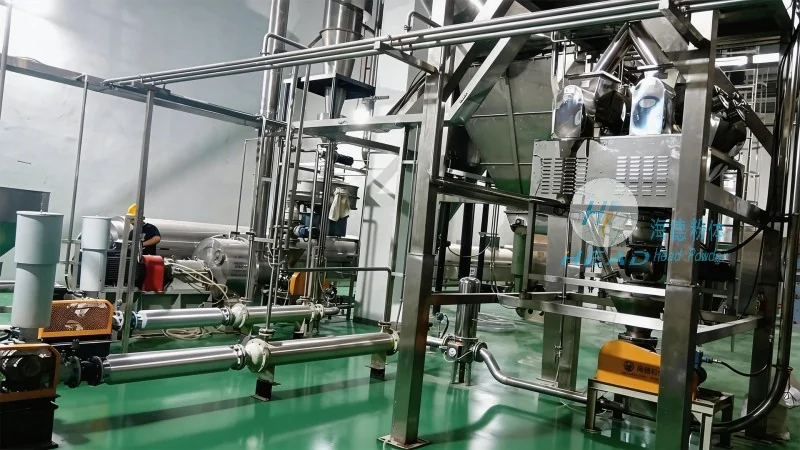
Operation Process of Dry Manure Pneumatic Conveying
The operation process of a dry manure pneumatic conveying system involves several sequential steps that ensure optimal performance. First, the dry manure is loaded into the material hopper, which is equipped with a level indicator to monitor the material level. Next, the rotary feeder is adjusted to the desired flow rate, which is determined by the system's capacity and the required conveying distance. The blower is then started, creating the air pressure needed to move the material. As the material is fed into the air stream, it is carried through the pipeline to the receiving hopper. The system continuously operates until the material hopper is empty or the desired quantity has been conveyed. The process can be automated using sensors and control systems to adjust the flow rate and air pressure based on real-time conditions.
Advantages of Using Dry Manure Pneumatic Conveying
Dry manure pneumatic conveying systems offer numerous advantages over traditional material handling methods. One of the primary benefits is the reduction in labor costs, as the system can operate continuously without constant human intervention. Additionally, the enclosed pipeline system minimizes contamination from dust and pathogens, improving hygiene and safety in agricultural settings. The technology also reduces the risk of material spillage and environmental pollution, as the material is contained within the pipeline. Furthermore, the system can be easily integrated with other processing equipment, such as composting or drying facilities, enhancing overall operational efficiency.
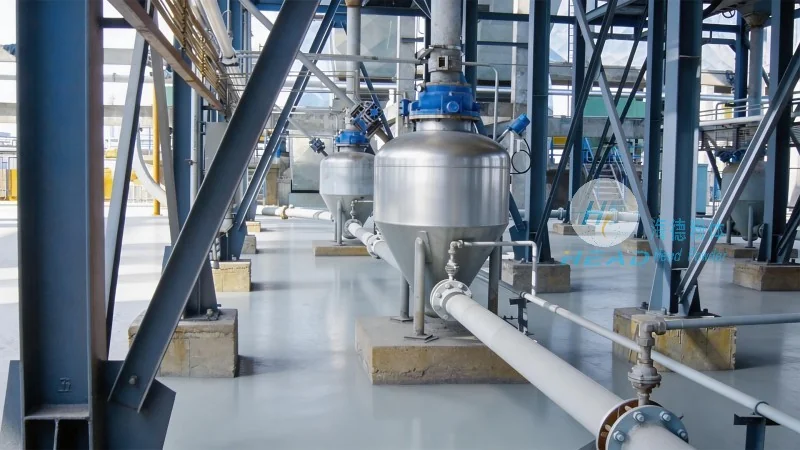
Applications of Dry Manure Pneumatic Conveying
Dry manure pneumatic conveying systems are widely used in various applications within the agricultural and waste management industries. In farms, these systems are commonly employed to transport dry manure from storage facilities to composting or spreading equipment. In processing facilities, they are used to move manure to drying or pelletizing machines, facilitating the production of animal feed or biofuels. The technology is also utilized in municipal waste management systems, where it helps transport organic waste from collection sites to treatment plants. The versatility of dry manure pneumatic conveying makes it suitable for a wide range of applications, from small-scale farms to large industrial operations.
Maintenance and Troubleshooting for Dry Manure Pneumatic Conveying Systems
Proper maintenance is crucial to ensure the long-term performance and reliability of dry manure pneumatic conveying systems. Regular maintenance tasks include checking the blower or compressor for wear and tear, cleaning the pipeline and filters to prevent clogging, and inspecting the rotary feeder for blockages or damage. Additionally, it is important to monitor the air pressure and flow rate to detect any abnormalities that may indicate a problem. Common issues that may arise include clogged pipelines, insufficient air pressure, or material buildup in the hopper. Troubleshooting these issues typically involves cleaning the system, adjusting the flow rate, or replacing worn components. By following a regular maintenance schedule, operators can minimize downtime and maximize the system's efficiency.