

Principle and Working Scene Characteristics of Plaster Powder Material Pneumatic Conveying System
Shandong HeadPowder Engineering Co., Ltd., commonly known as headpowder, is a professional manufacturer and supplier based in Shandong, China. The company specializes in the design, development, and production of advanced pneumatic conveying systems tailored for handling plaster powder materials. With a strong focus on technological innovation and customer-centric solutions, headpowder has established itself as a reliable partner in the powder handling industry.
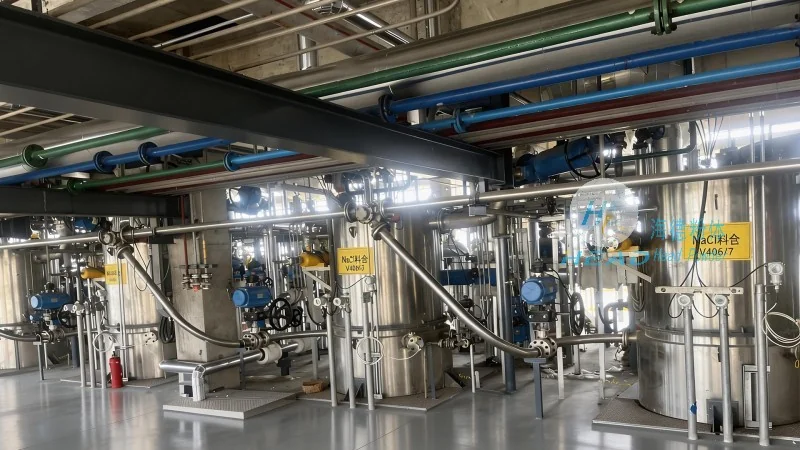
The Principle of Plaster Powder Material Pneumatic Conveying System
The pneumatic conveying system for plaster powder operates on the fundamental principle of transporting bulk materials through a pressurized or vacuum environment. In this system, the plaster powder is fed into a conveying line, where it is carried by a flow of air or gas. The system can be categorized into two main types: positive pressure systems, which use compressed air to push the material forward, and negative pressure systems, which use vacuum to draw the material into the line. For plaster powder, which is a fine, dry powder with specific flow characteristics, the positive pressure system is often preferred due to its ability to maintain consistent material flow and prevent dust accumulation. The system typically includes components such as a hopper, feeder, conveying line, and receiver, all designed to work in harmony to ensure efficient and reliable material transport. The air flow rate and pressure are carefully controlled to match the properties of the plaster powder, ensuring optimal performance and minimal material degradation.
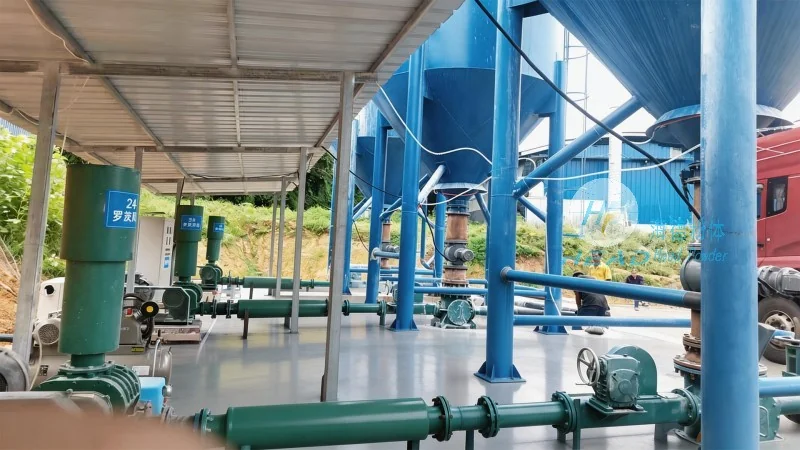
Working Scene Characteristics of the Plaster Powder Pneumatic Conveying System
The working scene characteristics of the plaster powder pneumatic conveying system are tailored to meet the diverse needs of industrial applications. In industrial production settings, such as plaster manufacturing plants, the system is used to transport raw plaster powder from storage silos to production lines, ensuring a continuous and uninterrupted supply of material. The system's ability to handle large volumes of powder efficiently reduces downtime and improves overall production efficiency. In warehouse and logistics environments, the system facilitates the movement of plaster powder between different storage areas, optimizing inventory management and reducing manual handling risks. The system's compact design and flexible installation options make it suitable for both new construction projects and retrofit applications in existing facilities. Additionally, the system's low maintenance requirements and energy efficiency contribute to long-term cost savings for users. The working scene characteristics also highlight the system's adaptability to different operational conditions, including varying material moisture levels and particle sizes, ensuring consistent performance across a range of applications.
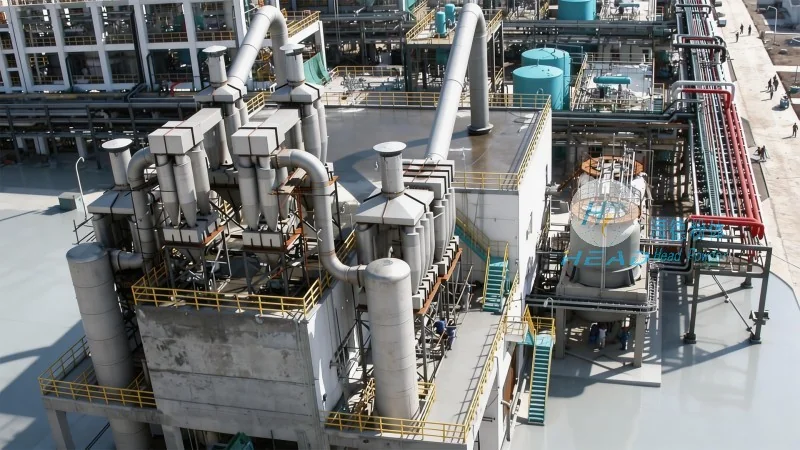
Advantages in Practical Applications
When applied in practical scenarios, the plaster powder pneumatic conveying system from headpowder demonstrates several key advantages. Firstly, it offers a dust-free and clean operation environment, which is crucial for maintaining product quality and ensuring workplace safety. The enclosed system prevents the release of fine powder particles into the air, reducing the risk of respiratory issues and contamination. Secondly, the system provides high transport efficiency, with the ability to move large quantities of plaster powder over long distances with minimal energy consumption. This efficiency is particularly beneficial for large-scale industrial operations where material handling is a critical process. Thirdly, the system enhances operational safety by eliminating the need for manual handling of heavy or bulky containers, reducing the risk of accidents and injuries. The automated nature of the system also minimizes human error, leading to more consistent and reliable material transport. Furthermore, the system's modular design allows for easy integration with existing production lines and equipment, making it a cost-effective solution for businesses looking to upgrade their material handling capabilities.