

Principle and Working Scenario Characteristics of Magnesia Powder Pneumatic Conveyor
For industrial applications involving the handling of magnesia powder, the selection of an efficient and reliable conveying system is crucial. Magnesia, a key material in refractory production and other industrial processes, requires specialized equipment to ensure safe and effective transport. This article explores the working principle of magnesia powder pneumatic conveyors and highlights the key working scenario characteristics that make them suitable for various industrial environments.
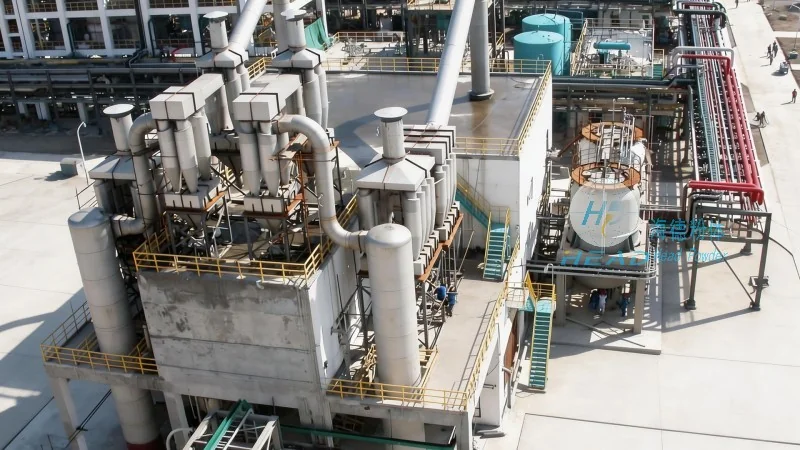
Understanding the Core Principle of Magnesia Powder Pneumatic Conveyors
The fundamental principle behind magnesia powder pneumatic conveyors is the use of air pressure to transport dry powder materials. Unlike traditional mechanical conveyors, which rely on physical contact and friction, pneumatic systems utilize compressed air to create a flow of material through a pipeline. This method offers several advantages, including the ability to transport materials over long distances, vertical and horizontal movement, and the prevention of material contamination from external sources.
In a typical magnesia powder pneumatic conveyor system, the process begins with the feeding of the powder into a hopper or feeder. The powder is then drawn into a pipeline by the action of a fan or blower, which generates a low-pressure zone. As the air flows through the pipeline, it carries the magnesia powder particles along with it. The system may include components such as cyclones, filters, and dust collectors to separate the powder from the air and ensure clean operation. The design of the conveyor, including the size of the pipeline, the speed of the air, and the type of fan, is critical to achieving optimal performance and minimizing material degradation.
Key Working Scenario Characteristics of Magnesia Powder Pneumatic Conveyors
The suitability of magnesia powder pneumatic conveyors for specific industrial applications is determined by several working scenario characteristics. These characteristics include the material's properties, the required conveying distance and height, the need for dust control, and the operational environment. For instance, in refractory production facilities, where magnesia is used to make bricks and other products, the conveyor must be able to handle large volumes of powder efficiently while maintaining consistent quality. The system must also be capable of transporting the powder to different processing stages, such as mixing, molding, or packaging, without causing segregation or clumping.
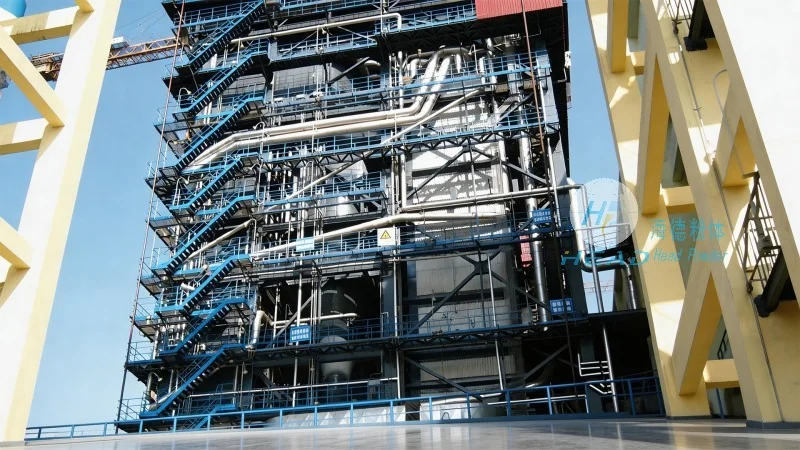
Another important working scenario characteristic is the requirement for dust-free operation. Magnesia powder is often handled in environments where dust control is mandatory to protect workers and comply with environmental regulations. Pneumatic conveyors are well-suited for this need because they can be equipped with advanced filtration systems that capture and contain the powder particles, preventing them from escaping into the air. This feature is particularly important in facilities where air quality standards are strict, such as in food processing or pharmaceutical industries, although magnesia is typically used in non-food applications.
The flexibility of pneumatic conveyors in terms of layout and integration is another key characteristic. Unlike rigid mechanical systems that require fixed pipelines and infrastructure, pneumatic conveyors can be easily reconfigured to adapt to changing production needs. This flexibility allows manufacturers to expand their operations or modify their production lines without significant capital investment. For example, a company producing magnesia-based refractory products may need to adjust the conveyor system to accommodate different raw material types or production volumes, and a pneumatic system can be reconfigured to meet these changes.
Applications and Operational Efficiency in Industrial Settings
Magnesia powder pneumatic conveyors are widely used in various industrial settings due to their efficiency and adaptability. In the refractory industry, they are essential for transporting magnesia from storage silos to mixing and molding equipment. The ability to handle large volumes of powder quickly and reliably ensures that production lines operate smoothly and without interruptions. Similarly, in chemical and metallurgical industries, where magnesia is used as a raw material or additive, pneumatic conveyors provide a safe and efficient method for material transport.
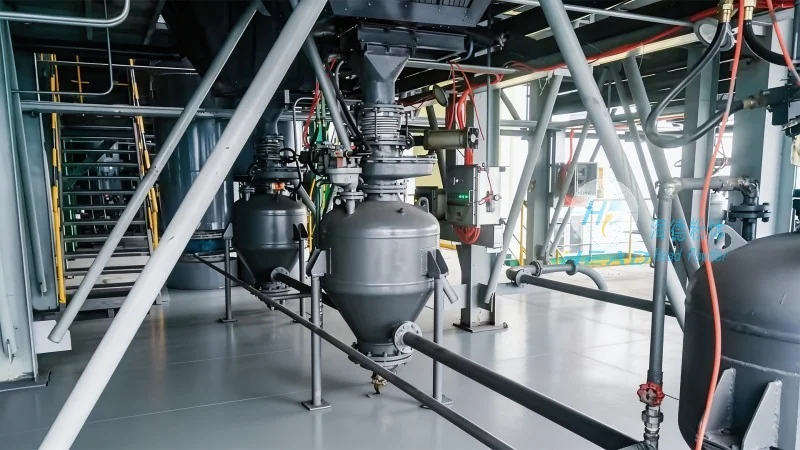
The operational efficiency of these systems is enhanced by their ability to minimize material loss and contamination. By using sealed pipelines and advanced filtration, the conveyor system reduces the amount of powder that escapes into the environment, which not only improves safety but also reduces waste. Additionally, the low maintenance requirements of pneumatic systems contribute to overall operational efficiency, as they require less downtime for repairs compared to mechanical conveyors.
Conclusion and Company Overview
In conclusion, magnesia powder pneumatic conveyors represent a sophisticated solution for the efficient handling of magnesia powder in industrial applications. Their working principle, based on air pressure and flow, offers numerous advantages over traditional conveying methods, including flexibility, dust control, and the ability to handle long-distance and vertical transport. The key working scenario characteristics that define their suitability include material properties, operational requirements, and environmental considerations.
Shandong HeadPowder Engineering Co., Ltd., a leading manufacturer of industrial conveying equipment, specializes in designing and manufacturing magnesia powder pneumatic conveyors tailored to the specific needs of various industries. With a focus on quality, efficiency, and reliability, the company provides comprehensive solutions that enhance production processes and ensure compliance with industry standards. HeadPowder's expertise in pneumatic conveying technology ensures that their systems are optimized for the unique challenges of magnesia powder handling, making them a trusted choice for companies operating in the refractory, chemical, and metallurgical sectors.