

Principle and Working Scene Characteristics of High-Pressure Pulse Material Handling Equipment
HeadPowder, a leading manufacturer based in Shandong, China, specializes in the design and production of high-pressure pulse material handling equipment. This article delves into the fundamental principles of this technology and explores its diverse application scenarios, highlighting how it addresses the unique challenges of material transport in various industrial settings.
Understanding the Core Principle of High-Pressure Pulse Material Handling
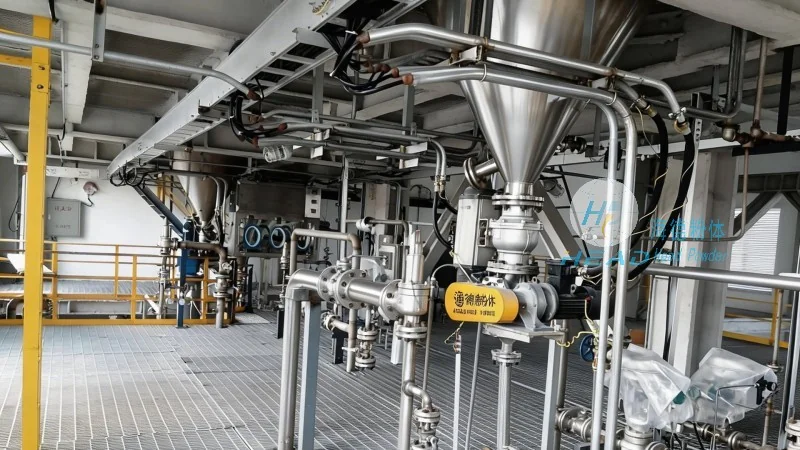
The high-pressure pulse material handling system operates on a unique mechanism that utilizes intermittent high-pressure air pulses to propel bulk materials through pipelines. Unlike traditional continuous airflow systems, this pulse-based approach offers several advantages in terms of energy efficiency and material flow control. The system comprises a series of components, including a pulse generator, control valves, and a network of pipelines, all working in tandem to create controlled pressure surges that effectively move powders, granules, and other bulk solids. By delivering these pulses at precise intervals, the equipment ensures optimal material movement while minimizing energy consumption and reducing the risk of material degradation or clogging.
Key Working Scene Characteristics and Applications
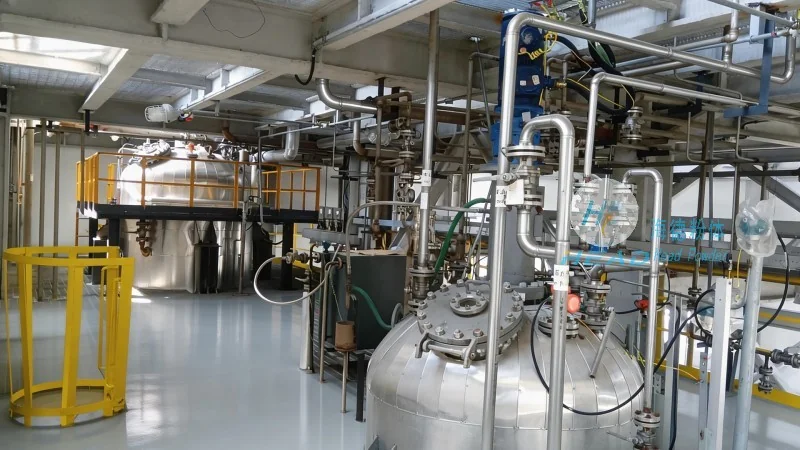
High-pressure pulse material handling equipment is particularly well-suited for industries that require reliable and efficient transport of bulk materials over long distances or within complex layouts. Its adaptability makes it a preferred choice in sectors such as pharmaceuticals, food processing, chemical manufacturing, and mining. In pharmaceutical applications, for instance, the system's ability to maintain sterile conditions and prevent cross-contamination is critical, making it ideal for transporting active pharmaceutical ingredients (APIs) and other sensitive materials. Similarly, in food processing plants, the equipment's hygienic design and ability to handle perishable products without compromising quality are highly valued. The system's robust construction and low maintenance requirements also make it suitable for demanding environments like mining operations, where it can transport raw minerals and ores with high efficiency.
Advantages in Diverse Industrial Environments
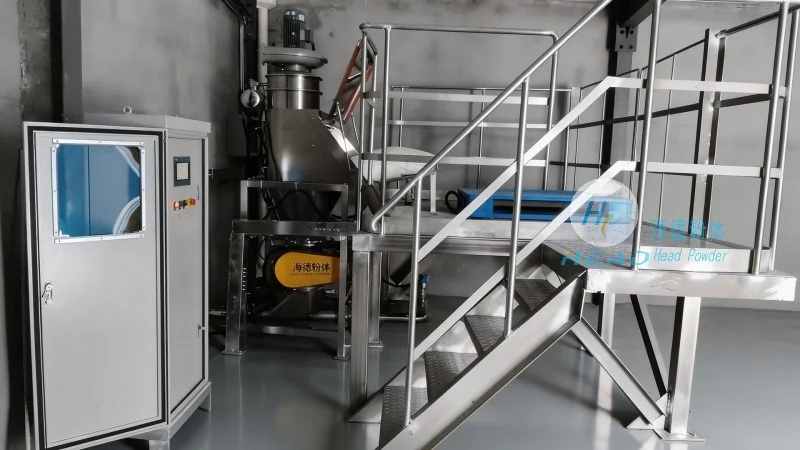
One of the standout features of high-pressure pulse material handling is its ability to handle a wide range of materials, from fine powders to larger granules, with minimal degradation. The controlled pressure pulses prevent material agglomeration and ensure consistent flow rates, which is essential for maintaining product quality. Additionally, the system's flexibility allows for easy integration into existing production lines, reducing downtime and installation costs. In terms of energy efficiency, the pulse mechanism consumes significantly less power compared to continuous airflow systems, leading to long-term operational savings. The system also offers better control over material velocity and pressure, enabling precise regulation of the transport process to meet specific production requirements.
Conclusion: The Role of High-Pressure Pulse Technology in Modern Material Handling
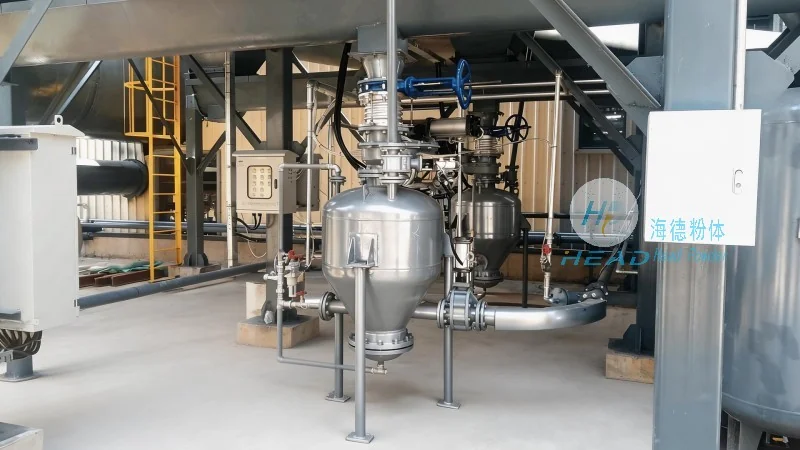
As industries continue to seek more efficient and reliable solutions for bulk material transport, high-pressure pulse material handling equipment from HeadPowder stands out as a versatile and effective option. By leveraging advanced engineering and a deep understanding of material flow dynamics, this technology addresses the challenges of traditional transport methods while offering superior performance and adaptability. With its applications spanning multiple sectors, the high-pressure pulse system not only enhances operational efficiency but also contributes to cost reduction and improved product quality. For businesses looking to optimize their material handling processes, this technology represents a valuable investment in modern industrial solutions.