

Principles and Application Scenarios of Ceramic Particle Material Conveying
For industries dealing with ceramic materials, efficient and reliable material handling is crucial. The process of conveying ceramic particles, such as those used in ceramics manufacturing, refractory production, or powder processing, requires specialized equipment and understanding of the underlying principles. This article explores the fundamental principles of ceramic particle material conveying and highlights key application scenarios where these systems excel.
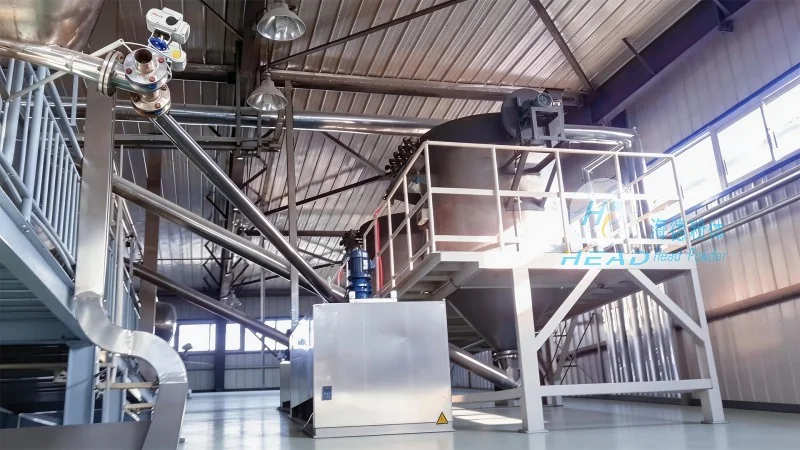
Core Principles of Ceramic Particle Conveying
The primary goal of ceramic particle conveying is to transport bulk materials from one location to another within a production facility. This is achieved through various mechanisms, including pneumatic conveying, mechanical conveying, and hybrid systems. Pneumatic conveying, for instance, uses air pressure to move particles through pipelines, while mechanical systems like screw conveyors or belt conveyors rely on mechanical force. The choice of system depends on factors like particle size, moisture content, and the required conveying distance. For ceramic particles, which often have specific properties like high hardness or abrasive nature, the conveying system must be designed to minimize wear and ensure consistent flow. Key principles include maintaining proper air-to-particle ratios in pneumatic systems, ensuring adequate screw pitch or belt tension in mechanical systems, and controlling temperature to prevent material degradation. Additionally, the system must be capable of handling variations in particle size and density, which can affect flow characteristics and system performance.
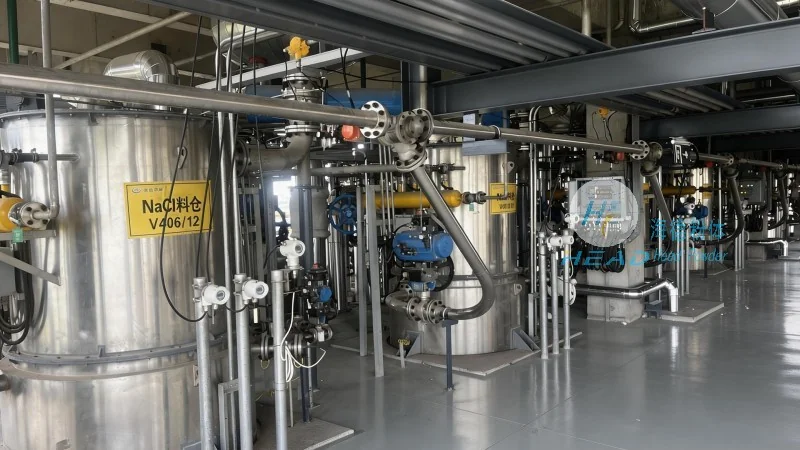
Key Components and Their Functions
Effective ceramic particle conveying systems consist of several critical components. The feeding mechanism, such as a hopper or rotary valve, ensures a consistent and controlled feed of particles into the conveying line. The conveyor itself, whether pneumatic or mechanical, is the core of the system, responsible for transporting the material. In pneumatic systems, the air compressor and filter system are essential for generating and cleaning the conveying air. The pipeline network, including bends and straight sections, must be designed to minimize pressure drop and maintain flow stability. For mechanical systems, components like screws, belts, and drives are critical. The control system, which may include sensors and automation, monitors and adjusts the conveying process to maintain optimal performance. Each component plays a vital role in ensuring the system operates efficiently and reliably, minimizing downtime and maximizing throughput.
Application Scenarios and Operational Benefits
Ceramic particle conveying systems are widely used in various industrial applications. In ceramics manufacturing, these systems are used to transport raw materials like clay, feldspar, and quartz from storage to processing lines. In refractory production, they convey raw materials such as alumina, silica, and other minerals to mixing and firing facilities. The systems are also employed in powder processing industries, where they transport fine ceramic powders for applications like 3D printing, coatings, and composite manufacturing. The benefits of using specialized conveying systems for ceramic particles include improved process efficiency, reduced material loss, and enhanced safety. By eliminating manual handling, these systems minimize the risk of dust exposure and accidents. Additionally, consistent material flow ensures uniform product quality, which is critical in industries where ceramic products must meet strict specifications. The ability to handle abrasive materials without excessive wear also extends the lifespan of the equipment, reducing maintenance costs over time.
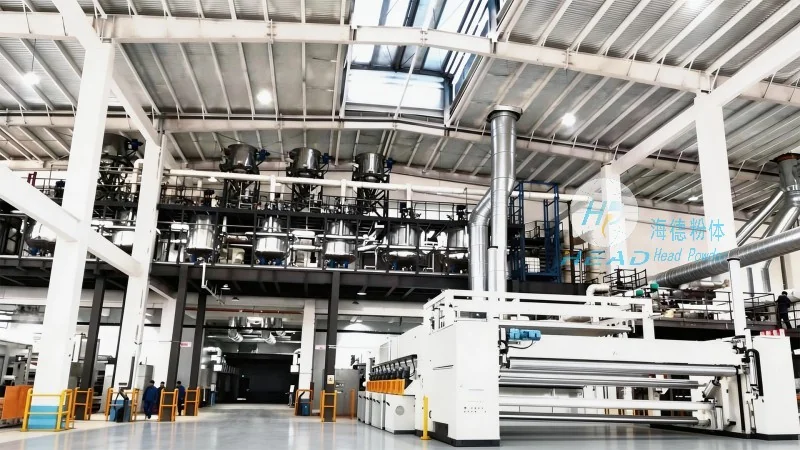
Case Study: HeadPowder's Conveying Solutions
Shandong HeadPowder Engineering Co., Ltd., a leading provider of material handling solutions, specializes in designing and manufacturing custom conveying systems for ceramic particle applications. With years of experience in the industry, HeadPowder understands the unique challenges of handling ceramic materials and has developed advanced solutions tailored to specific customer needs. Their systems are engineered to handle a wide range of ceramic particles, from fine powders to larger granules, and are designed to operate in harsh environments. The company's expertise in material science and mechanical engineering allows them to optimize system performance, ensuring high efficiency and reliability. For example, HeadPowder has implemented pneumatic conveying systems for a ceramics manufacturer that reduced material handling time by 30% and minimized dust emissions by 50%. Another application involved a refractory plant where their mechanical conveyor system improved throughput by 25% while reducing maintenance costs by 20%. These success stories highlight the effectiveness of HeadPowder's solutions in enhancing operational efficiency and product quality.