

Principle and Working Scene Characteristics of Sawdust and Wood Flour Powder Conveying Lines
HeadPowder, a leading engineering company based in Shandong, China, specializes in the design and implementation of efficient powder conveying systems tailored for sawdust and wood flour applications. This article explores the fundamental principles underlying these systems and highlights the key characteristics of their operational environments.
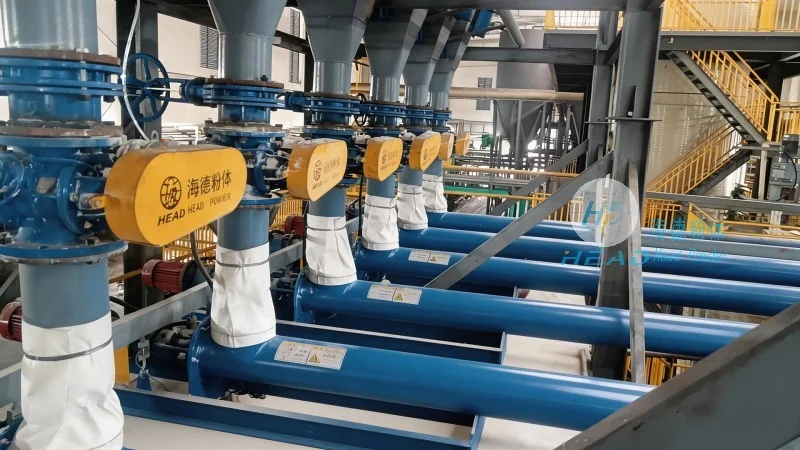
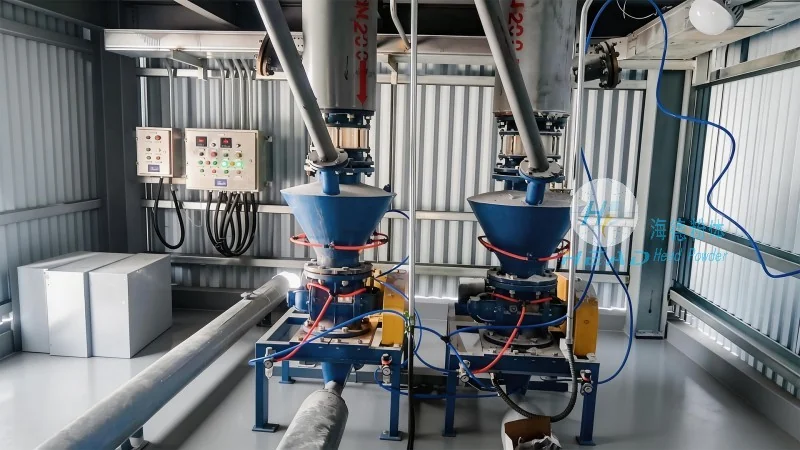
Understanding the Core Principles of Sawdust and Wood Flour Powder Conveying Lines
The operation of a sawdust and wood flour powder conveying line is built upon several critical principles that ensure reliable material transport. At its heart, these systems utilize mechanical forces to move bulk materials from a source to a destination. Key components such as feed hoppers, conveyors (often pneumatic or mechanical), and control mechanisms work in tandem to maintain consistent flow rates and prevent material degradation. The choice of conveyor type—whether pneumatic (air-driven) or mechanical (e.g., screw, belt, or bucket elevators)—depends on factors like material properties, distance, and desired throughput. For sawdust and wood flour, which are typically light, fine, and prone to dusting, pneumatic conveying is often preferred due to its ability to handle low-density materials with minimal friction and risk of clogging. The system’s design also incorporates features like air filtration and dust collection to ensure compliance with environmental regulations and maintain a safe working environment. By integrating these principles, the conveying line effectively addresses the unique challenges posed by sawdust and wood flour, such as their tendency to clump or create dust clouds during transport.
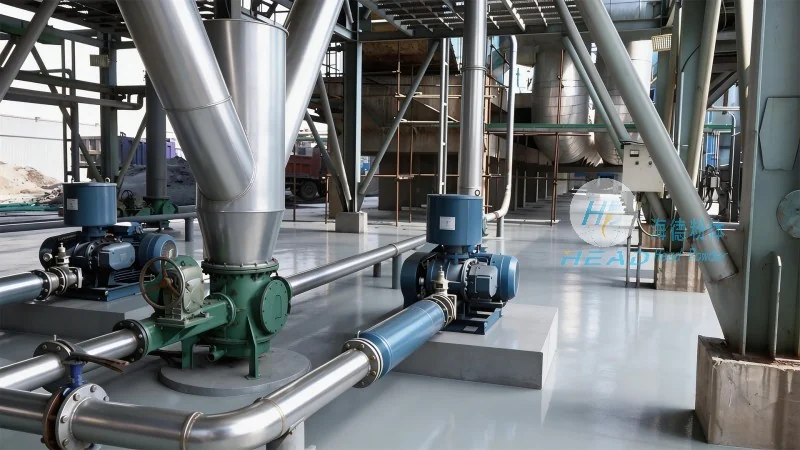
Key Working Scene Characteristics of Sawdust and Wood Flour Powder Conveying Lines
The operational environments where sawdust and wood flour powder conveying lines are deployed exhibit distinct characteristics that influence system performance and efficiency. These environments are typically found in industrial settings like sawmills, wood processing facilities, and biomass energy plants, where large volumes of raw material need to be moved between processing stages. A primary characteristic is the high volume of material handling, often requiring continuous operation to meet production demands. This necessitates robust, low-maintenance systems that can operate 24/7 without frequent downtime. Another critical characteristic is the material’s physical properties: sawdust and wood flour are lightweight, fine particles that can easily become airborne, leading to dust-related issues if not properly contained. Consequently, conveying lines in these scenes are equipped with dust suppression systems, such as cyclones or bag filters, to capture and recycle material while maintaining air quality. Additionally, the need for precise control over material flow is paramount, as fluctuations in feed rates can impact downstream processes like drying or pelletizing. The systems are therefore designed with adjustable speed controls and feedback mechanisms to maintain consistent material delivery. Environmental factors also play a role, as these lines are often located in outdoor or semi-outdoor areas where weather conditions (e.g., temperature, humidity) can affect material behavior. For instance, high humidity may cause the material to absorb moisture, leading to clumping, which the conveying line must mitigate through temperature control or drying stages. Overall, the working scenes for these systems demand a balance of efficiency, safety, and adaptability to handle the unique challenges of sawdust and wood flour processing.
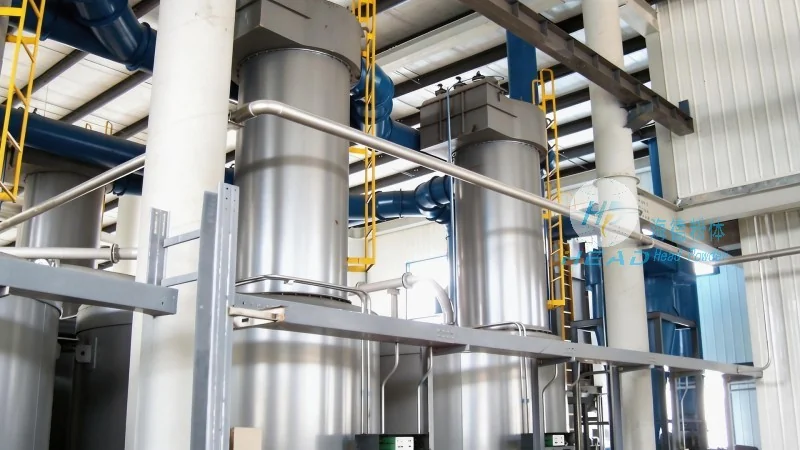
Applications and Benefits in Industrial Settings
The sawdust and wood flour powder conveying lines developed by Shandong HeadPowder Engineering Co., Ltd. are widely used in various industrial applications, offering significant benefits to businesses operating in the wood processing and biomass energy sectors. One primary application is in the transition from raw sawdust to processed wood flour, where the conveying line efficiently transports material from grinding or milling stages to storage or further processing units. This ensures a smooth workflow, reducing bottlenecks and increasing overall production throughput. In biomass energy plants, these systems are crucial for moving sawdust and wood flour to combustion or gasification units, where the material is converted into energy. The reliability of the conveying line directly impacts the plant’s operational efficiency and energy output. Another key application is in the production of wood-based panels, such as particleboard or fiberboard, where consistent material feed is essential for uniform panel quality. The conveying line’s ability to maintain steady flow rates helps minimize variations in panel density and strength. Beyond material transport, these systems also contribute to cost savings and operational safety. By minimizing manual handling of sawdust and wood flour, which can be hazardous due to dust inhalation risks, the systems reduce labor costs and improve workplace safety. Additionally, the efficient material transfer reduces energy consumption by eliminating the need for secondary handling or reprocessing of material lost during manual transport. The use of advanced materials and design in these conveying lines further enhances their durability and longevity, providing long-term value to industrial clients. In summary, the sawdust and wood flour powder conveying lines from HeadPowder offer a comprehensive solution for industrial material handling, combining efficiency, safety, and adaptability to meet the demands of modern wood processing and biomass energy operations.