

Principle and Application Characteristics of Automatic Powder Feeding and Conveying Lines
Automatic powder feeding and conveying lines are essential systems in modern industrial processes, designed to handle the precise and efficient transport of bulk powders. These systems integrate advanced automation technologies to ensure consistent performance, minimal material loss, and enhanced safety in various manufacturing environments. The core principle of such lines revolves around the controlled movement of powders from storage to processing units, leveraging mechanisms like screw conveyors, pneumatic systems, or belt conveyors, depending on the specific application requirements.
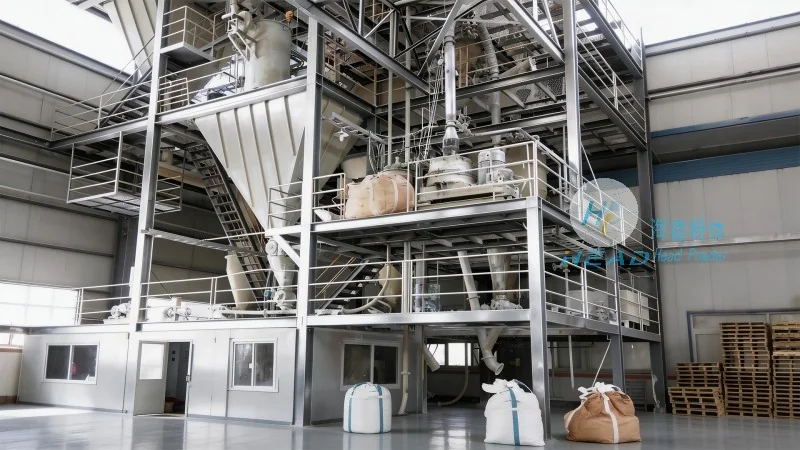
HeadPowder, a leading provider in the field, specializes in the design, manufacturing, and installation of high-quality powder handling solutions. With operations based in Shandong, China, the company has established itself as a trusted partner for industries ranging from pharmaceuticals and food processing to chemical manufacturing and material handling. Their expertise lies in tailoring systems to meet the unique demands of each client, ensuring optimal performance and reliability.
Key Working Scenarios and Application Characteristics
The application of automatic powder feeding and conveying lines spans diverse industrial sectors, each presenting distinct challenges and requirements. In pharmaceutical manufacturing, for instance, these systems are crucial for handling active pharmaceutical ingredients (APIs) and excipients with strict purity and contamination control standards. The lines are engineered to maintain aseptic conditions, prevent cross-contamination, and ensure precise dosing, which are critical for product quality and regulatory compliance. Similarly, in the food industry, these systems are used to transport ingredients like flour, sugar, and spices, where hygiene, flavor retention, and consistent particle size are paramount.
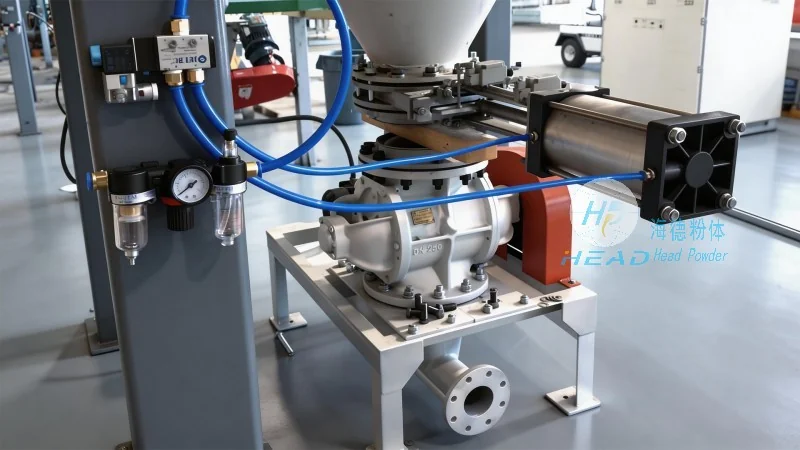
In the chemical industry, automatic powder feeding and conveying lines handle a wide range of materials, from fine powders to bulk solids, often requiring high-temperature or corrosive-resistant components. The systems are designed to withstand harsh operating conditions while maintaining accuracy in material transfer. For example, in the production of fertilizers or pigments, the lines ensure efficient mixing and distribution of raw materials, contributing to the overall productivity of the production line. Additionally, in the material handling sector, these systems are used in bulk material storage and distribution, facilitating smooth transitions between storage silos and processing equipment.
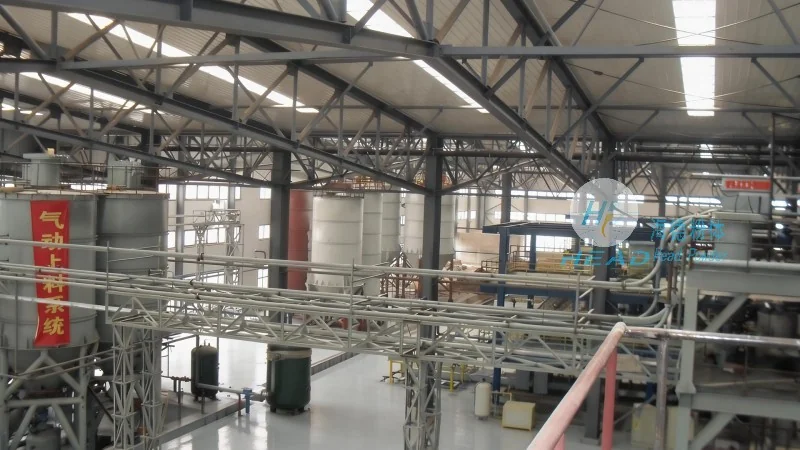
The Principle of Operation
The fundamental principle of automatic powder feeding and conveying lines is the controlled movement of powders through a series of components, including feeders, conveyors, and control systems. The process typically begins with the powder being discharged from a storage silo or hopper into a feeder, which regulates the flow rate based on the system's control parameters. The feeder may be a screw feeder, vibratory feeder, or rotary valve, each chosen based on the powder's properties and the required flow rate. Once the powder is fed into the conveyor, it is transported to the next processing stage. Pneumatic conveying systems, for example, use compressed air to move powders through a pipeline, while mechanical conveyors rely on rotating blades or belts to transport the material. The control system monitors key parameters such as flow rate, pressure, and temperature, adjusting the operation in real-time to maintain optimal performance. This closed-loop control ensures that the system operates efficiently and consistently, minimizing downtime and material waste.
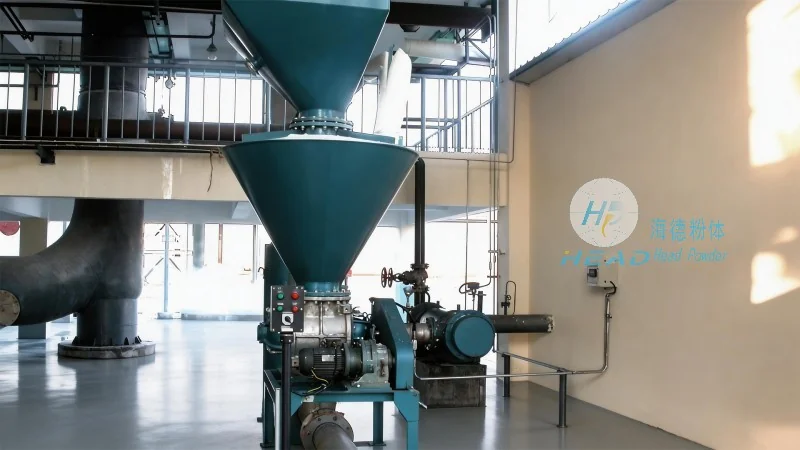
Advantages and Features of HeadPowder's Systems
HeadPowder's automatic powder feeding and conveying lines are distinguished by several key advantages that enhance their performance and reliability. One of the primary features is the integration of advanced sensors and monitoring systems, which provide real-time data on material flow, pressure, and temperature. This allows for immediate detection of any deviations or issues, enabling prompt corrective actions and preventing potential system failures. The systems also incorporate energy-efficient designs, reducing operational costs while maintaining high performance. For instance, variable-speed drives are used in conveyor motors to adjust power consumption based on the load, optimizing energy usage. Additionally, the materials used in the construction of the components are selected for durability and resistance to wear and corrosion, ensuring long-term reliability and minimal maintenance requirements.
Conclusion
Automatic powder feeding and conveying lines are indispensable in modern industrial operations, offering a reliable and efficient solution for handling bulk powders. HeadPowder, with its expertise and commitment to quality, provides tailored systems that meet the specific needs of various industries. By understanding the principle of operation and the application characteristics, businesses can leverage these systems to enhance productivity, improve product quality, and ensure compliance with industry standards. As a leading manufacturer based in Shandong, China, HeadPowder continues to innovate and deliver cutting-edge solutions for the evolving demands of the powder handling industry.