

Principles and Application Characteristics of Dust-Free Closed Powder Conveying Systems
HeadPowder, a leading provider of industrial powder handling solutions, specializes in the design and manufacturing of dust-free closed powder conveying systems. These systems are engineered to ensure safe, efficient, and contamination-free transport of various powders in industrial settings. The core principle behind these systems lies in maintaining a sealed environment throughout the conveying process, preventing dust emissions and cross-contamination. By integrating advanced technologies such as positive pressure ventilation, airtight seals, and specialized conveyor components, the systems achieve optimal performance while adhering to stringent safety and hygiene standards.
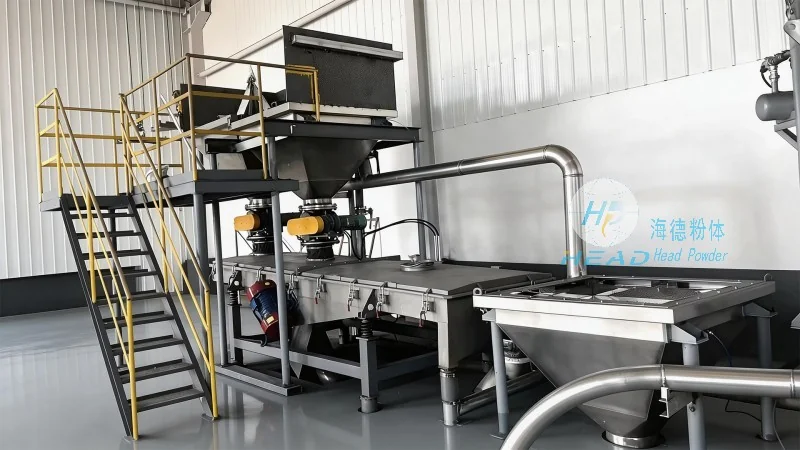
Principles of Dust-Free Closed Powder Conveying
The fundamental principle of dust-free closed powder conveying is to create an enclosed, pressurized system that isolates the powder from the external environment. This is achieved through a combination of components that work in tandem to maintain a positive pressure within the conveyor. The system typically includes a hopper or feeder that feeds the powder into a sealed tube or pipe, which is then transported by a conveyor mechanism like a screw, belt, or pneumatic system. The key to preventing dust leakage is the use of airtight joints, seals, and connections at every point where the system components meet. Additionally, the system is often equipped with filtration and exhaust systems to manage any potential air leakage, ensuring that the entire process remains contained and safe.
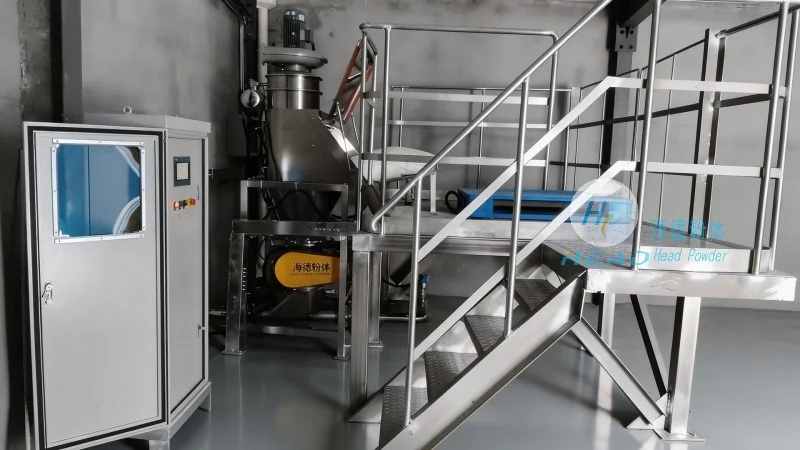
Key Components and Their Roles
Several critical components contribute to the effective operation of a dust-free closed powder conveying line. The hopper or feeder is responsible for storing and feeding the powder into the system, ensuring a consistent flow. The conveyor itself, whether it's a screw conveyor, belt conveyor, or pneumatic pipeline, is designed to move the powder through the sealed system. Airtight seals and gaskets are used at all connections, including the hopper to conveyor, conveyor to pipeline, and pipeline to discharge points. The system may also include a dust collection or filtration unit to capture any particles that might escape, further enhancing the dust-free environment. Control systems, often integrated with sensors and monitoring devices, ensure that the system operates at optimal levels, detecting any deviations or issues in real-time.
Application Scenarios and Industry Use Cases
Dust-free closed powder conveying systems are widely used across various industries where the handling of powders requires strict control over dust and contamination. In the pharmaceutical industry, these systems are essential for transporting active pharmaceutical ingredients (APIs) and excipients, ensuring that the final products remain free from contaminants and meet regulatory standards. The food and beverage industry also relies on such systems for handling ingredients like flour, sugar, and spices, maintaining product purity and safety. The chemical industry uses them to transport various powders, including chemicals and raw materials, while preventing hazardous dust from spreading. In the cement and construction sectors, these systems are crucial for transporting cement and other powders, improving efficiency and safety on construction sites. Additionally, in the chemical and material processing industries, they are used for transporting a wide range of powders, from industrial chemicals to specialty materials, ensuring that the process remains clean and efficient.
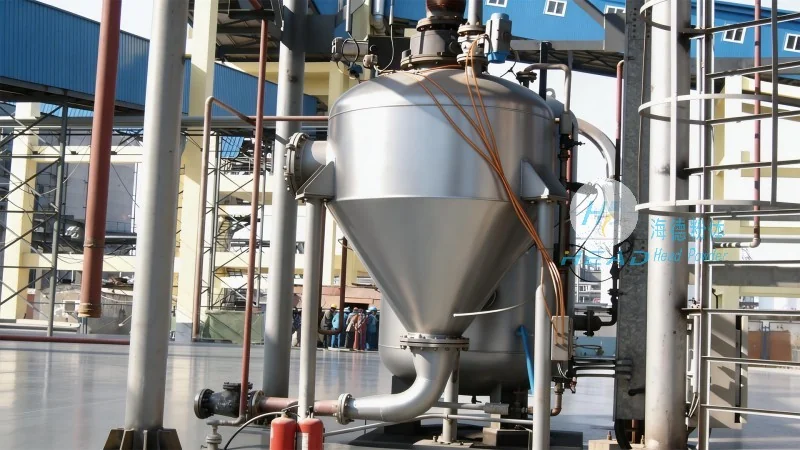
Advantages of Implementing Dust-Free Closed Powder Conveying Systems
Adopting dust-free closed powder conveying systems offers numerous advantages for industrial operations. Firstly, they significantly reduce the risk of dust explosions and fires, which are common hazards in powder handling environments. By maintaining a sealed system, the risk of ignition sources interacting with combustible dust is minimized. Secondly, these systems enhance workplace safety by eliminating the exposure of workers to airborne dust, reducing the risk of respiratory illnesses and other health issues. Thirdly, they improve product quality by preventing contamination from external sources, ensuring that the final product meets the required standards. Additionally, the enclosed system improves operational efficiency by reducing downtime due to cleaning and maintenance, as the system remains clean and free from dust buildup. Finally, these systems are often more energy-efficient and cost-effective in the long run, as they reduce the need for extensive cleaning and replacement of equipment due to dust-related damage.