

Principle and Working Scene Characteristics of Glass Fiber Cellulose Powder Conveying System
Glass fiber cellulose, a widely utilized material in industrial sectors such as pharmaceuticals, chemicals, and food processing, demands efficient and reliable powder conveying solutions to maintain production continuity and product quality. The design and operation of glass fiber cellulose powder conveying systems are pivotal for ensuring smooth material transfer from storage to processing units. This article delves into the fundamental principles governing these systems and examines the distinctive characteristics of their operational environments, with a focus on the expertise of Shandong HeadPowder Engineering Co., Ltd., a leading enterprise in advanced powder handling technologies.
Company Profile: Shandong HeadPowder Engineering Co., Ltd.
Shandong HeadPowder Engineering Co., Ltd., commonly referred to as headpowder, is a professional enterprise headquartered in Shandong, China. The company specializes in the research, development, and manufacturing of high-performance powder conveying systems and related equipment. With a strong emphasis on technological innovation and customer-centric solutions, headpowder has built a reputation as a trusted partner in the powder processing industry. The company’s operational base in Shandong provides robust support for its global clients, including technical assistance, system integration, and after-sales service.
The Principle of Glass Fiber Cellulose Powder Conveying Systems
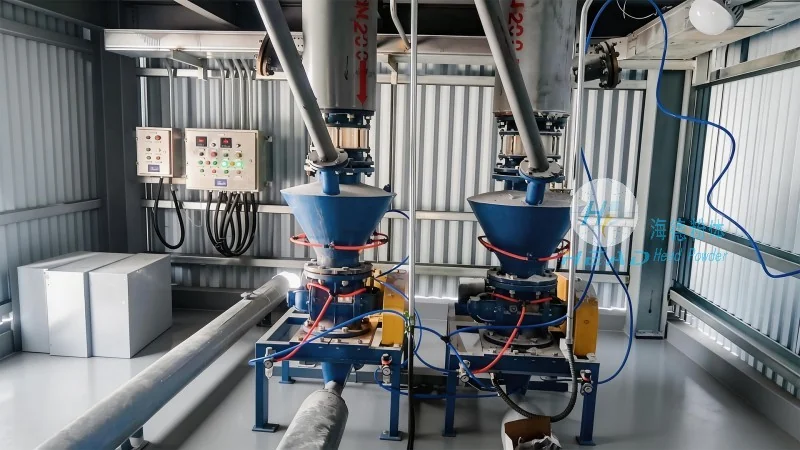
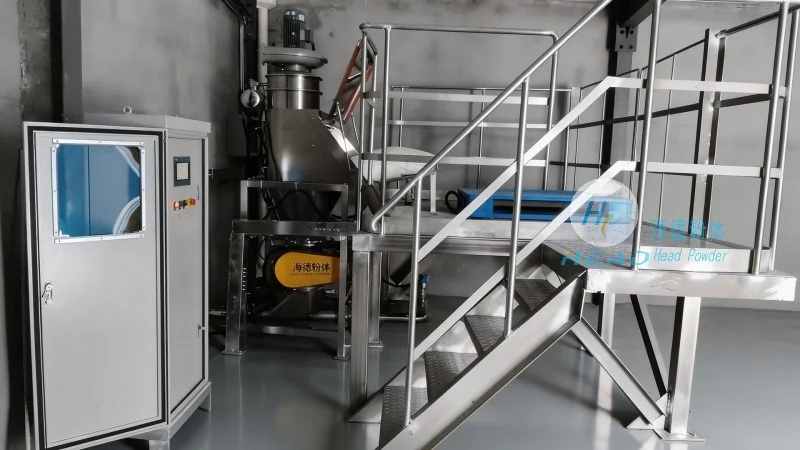
The core principle of glass fiber cellulose powder conveying systems revolves around the efficient transfer of fine, often hygroscopic, powders. These systems typically employ mechanical or pneumatic mechanisms to achieve material movement. Mechanical conveyors, such as screw or auger conveyors, utilize rotating components to push or lift the powder along a defined path. Pneumatic systems, on the other hand, use compressed air to transport the material through pipelines, offering advantages in flexibility and reduced mechanical wear. The design of these systems incorporates features like adjustable feed rates, variable speed drives, and robust sealing to prevent material spillage and contamination. Control systems, often integrated with programmable logic controllers (PLCs) and user-friendly interfaces, enable precise regulation of conveying parameters, ensuring optimal performance under varying operational conditions. The integration of these components results in a system capable of handling the unique properties of glass fiber cellulose, including its fine particle size, potential static charge, and tendency to agglomerate.
Working Scene Characteristics of Glass Fiber Cellulose Powder Conveying Systems
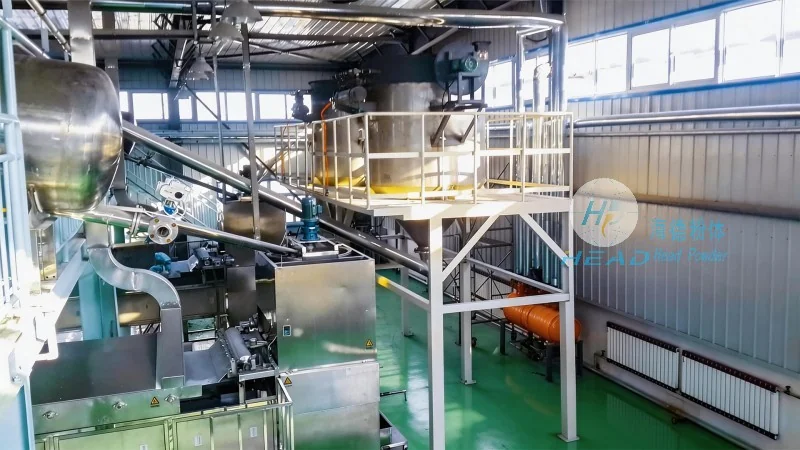
The operational characteristics of glass fiber cellulose powder conveying systems are heavily influenced by the specific industrial applications and environmental factors. In pharmaceutical manufacturing, for instance, the system must meet stringent hygiene and contamination control standards. Components are typically made from food-grade materials, and the system is equipped with dust collection and filtration to maintain a clean environment. The conveying process is designed to be gentle to avoid particle degradation, with adjustable air flow and temperature control to prevent material quality issues. In chemical processing, the system may need to handle materials with varying moisture content or chemical reactivity, requiring adaptive air flow and temperature management to prevent equipment corrosion or material degradation. The flexibility of the system design allows it to adapt to diverse working environments, from small-scale laboratory setups to large-scale industrial production lines. The ability to integrate seamlessly with existing production lines and provide continuous material flow is a key characteristic that enhances operational efficiency and minimizes downtime.
Key Advantages and Performance Metrics
Efficiency and reliability are paramount in glass fiber cellulose powder conveying systems. The systems are engineered to minimize energy consumption while maximizing material throughput. Advanced control algorithms and real-time monitoring capabilities enable operators to dynamically adjust parameters, optimizing performance based on current production demands. The robust construction of the equipment ensures long-term durability, reducing maintenance costs and increasing the system’s return on investment. Additionally, the systems are designed to minimize product contamination, which is critical in industries like pharmaceuticals and food processing. The use of high-quality materials and precision manufacturing processes ensures consistent performance and compliance with industry standards. The adaptability of the system to different working scenes further enhances its value, as it can be customized to meet specific customer requirements, including different material types, conveying capacities, and environmental conditions.
Conclusion and Future Outlook
Glass fiber cellulose powder conveying systems are essential for modern industrial operations, enabling the efficient and safe handling of fine powders. The principles and characteristics discussed underscore the importance of a well-designed system that integrates mechanical efficiency, control precision, and adaptability to diverse working environments. Shandong HeadPowder Engineering Co., Ltd. continues to innovate in this field, providing tailored solutions that meet the evolving needs of the industry. As technology advances, future developments may include more intelligent control systems, enhanced material handling capabilities, and sustainable design features, further improving the performance and sustainability of powder conveying systems. The continued focus on innovation and customer satisfaction positions headpowder as a leading provider in the powder processing sector, driving advancements in glass fiber cellulose powder handling technology.