

Principles and Working Scene Characteristics of High-Pressure Powder Handling Equipment
High-pressure powder handling equipment serves as a specialized solution in material transportation, playing a crucial role across various industrial sectors. This technology enables efficient movement of bulk powders over extended distances using high-pressure air or gas, ensuring stable and reliable material flow. The engineering behind high-pressure powder handling systems integrates advanced principles with robust mechanical design, making it suitable for diverse industrial environments. This article explores the fundamental principles of such equipment and analyzes its operational characteristics in different application scenarios.
Core Principles of High-Pressure Powder Handling Systems
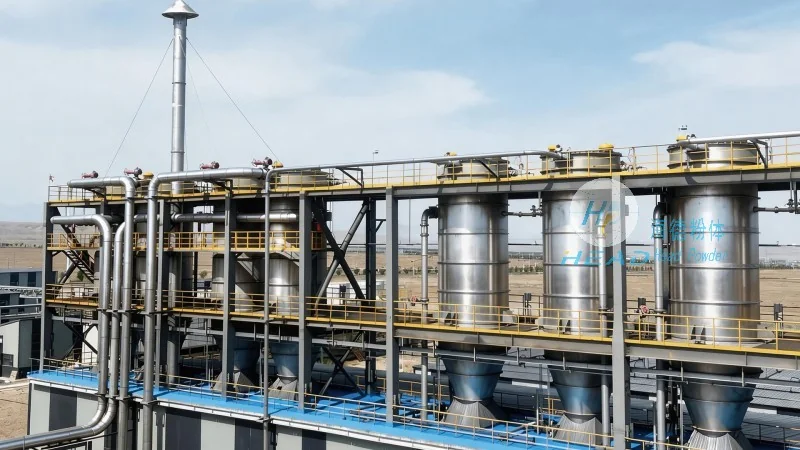
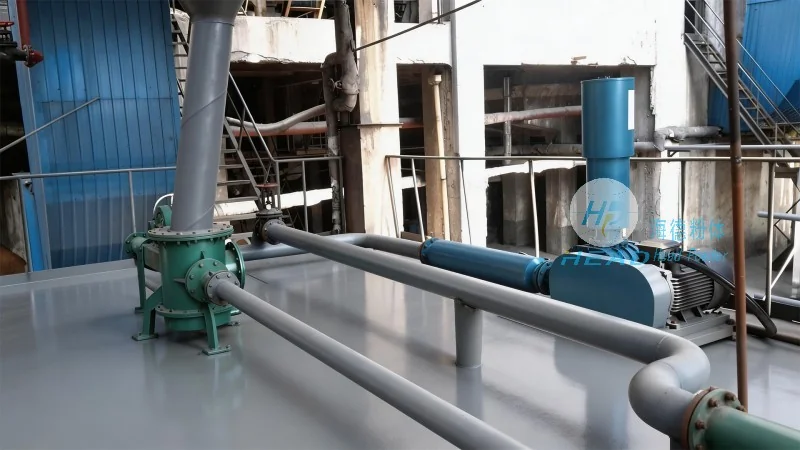
The operation of high-pressure powder handling equipment is grounded in key principles that ensure efficient material transport. The primary mechanism involves pneumatic conveying, where high-pressure air or gas creates a flow of powder particles through a pipeline. This method relies on generating sufficient pressure to overcome resistance from the powder and pipeline, facilitating movement from the source to the destination. The system typically includes components like a hopper for storage, a pressure vessel to build pressure, a control valve for flow regulation, and a pipeline network. The hopper stores the powder, the pressure vessel accumulates necessary pressure, the control valve manages flow rate and pressure, and the pipeline transports material to the target location (e.g., silo, storage tank, or processing unit). The system maintains consistent pressure and flow to minimize clogging or material degradation.
Working Scene Characteristics in Industrial Applications
High-pressure powder handling equipment is utilized across multiple industries, each presenting unique operational characteristics that influence equipment design and operation. In the chemical industry, it transports reactive powders (e.g., chemicals, pigments) requiring precise pressure and temperature control to prevent accidents. The working scene involves high-volume, continuous operation, with equipment optimized for large material quantities over extended periods. In the food industry, the equipment handles food-grade powders (e.g., flour, sugar), where hygiene and contamination control are paramount. The working scene emphasizes clean design, easy maintenance, and compliance with food safety regulations. The pharmaceutical industry uses it for active pharmaceutical ingredients (APIs) and sensitive materials, demanding strict adherence to GMP standards. The equipment is designed to minimize contamination and ensure product integrity.
Technical Advantages and Performance Metrics
High-pressure powder handling equipment offers technical advantages that make it preferable for industrial applications. A key benefit is efficient long-distance transport with lower energy consumption compared to trucking or conveyor systems. It can handle diverse powder types—including fine, cohesive, or abrasive materials—difficult to transport via conventional methods. Performance metrics like conveying capacity (tons per hour), pressure drop (pressure loss in pipeline), and efficiency (actual vs. theoretical capacity) are critical. Advanced systems from companies like Shandong HeadPowder Engineering Co., Ltd. often include variable speed control, automatic pressure regulation, and real-time monitoring, enhancing efficiency and reducing downtime.
Application Examples and Real-World Scenarios
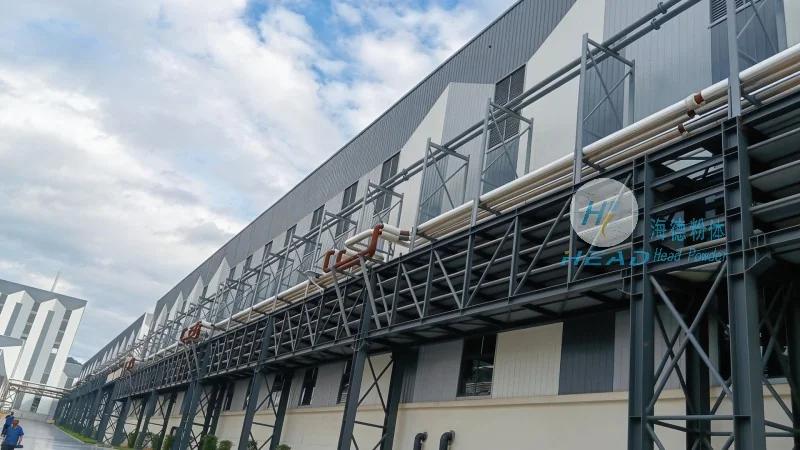
Real-world applications illustrate the versatility of high-pressure powder handling equipment. In cement plants, it transports raw materials (limestone, clay) from storage silos to grinding mills, supporting high-volume, continuous operation with abrasive material handling. In pharmaceutical facilities, it moves APIs to packaging units, emphasizing GMP compliance and contamination control. In food processing, it transports flour to mixing/baking units, focusing on clean design and regulatory compliance. The high-pressure system ensures efficient transport, reducing clogging risks and improving product quality.
Conclusion and Future Developments
High-pressure powder handling equipment is vital for modern industrial operations, providing efficient bulk powder transportation. Its principles and operational characteristics have evolved with technological advancements, leading to more sophisticated systems. Companies like Shandong HeadPowder Engineering Co., Ltd. continue innovating, developing equipment to meet diverse industrial needs. Future developments likely involve automation and digital integration, enhancing efficiency and reducing environmental impact. As industrial demands grow, high-pressure powder handling systems will remain critical for smooth process operation.