

Principle and Working Scene Characteristics of Arsenic Trioxide Pneumatic Conveying Equipment
Arsonic trioxide, also known as arsenic trioxide, is a widely used chemical compound in various industrial applications. The pneumatic conveying equipment designed for handling this material plays a crucial role in ensuring safe and efficient material transport. This article delves into the underlying principles of such equipment and highlights the key characteristics of its working scenarios, providing a comprehensive overview for professionals in the field.
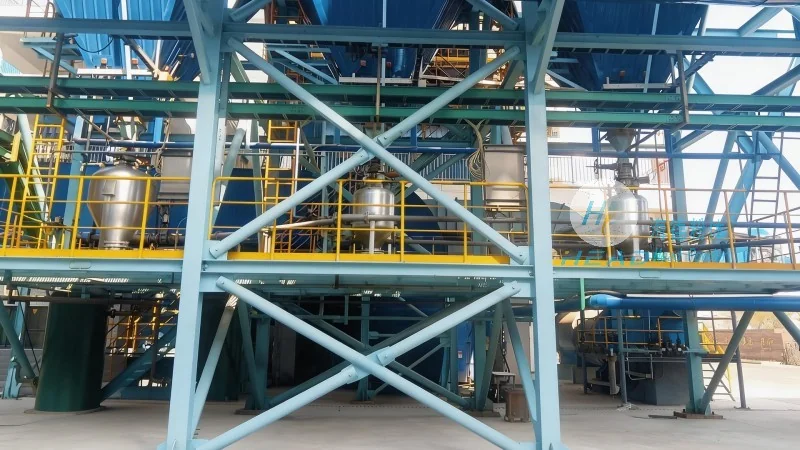
Introduction to Arsenic Trioxide and Pneumatic Conveying
Arsonic trioxide (As₂O₃) is a white or off-white solid with a distinct odor, commonly utilized in pharmaceuticals, metal processing, and other industrial processes. Due to its hazardous nature and fine particle characteristics, specialized equipment is required for its handling and transportation. Pneumatic conveying systems offer a safe and effective solution by utilizing air or other gases to transport the material through a pipeline network.
The Core Principle of Pneumatic Conveying Systems
The fundamental principle of pneumatic conveying for arsenic trioxide involves the use of compressed air to create a flow that propels the material particles through a duct. This method eliminates the need for mechanical components like belts or buckets, reducing the risk of contamination and mechanical failure. The system typically consists of a hopper, a rotary valve, a conveying line, and a receiver, with the air flow controlled by a blower or compressor.
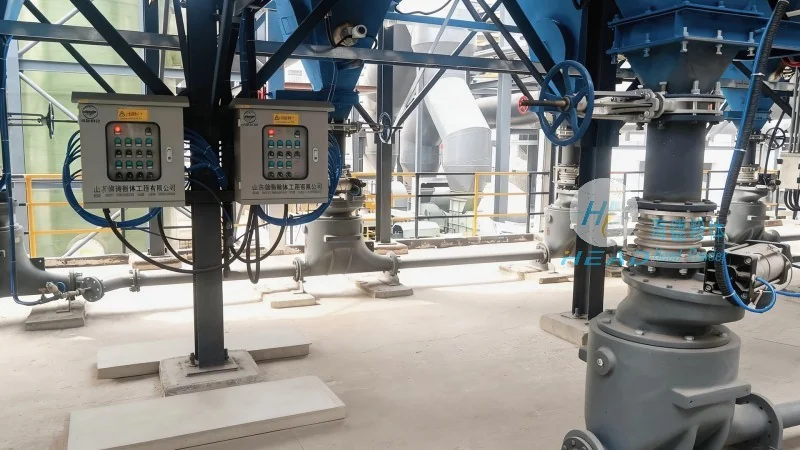
Key Components and Their Functions
Several critical components work in tandem to ensure the smooth operation of the pneumatic conveying equipment. The hopper serves as the storage container, holding the arsenic trioxide and providing a controlled feed to the system. The rotary valve, often a star valve or slide valve, regulates the material discharge from the hopper into the conveying line, preventing backflow and maintaining a consistent flow rate. The conveying line, usually made of stainless steel or other corrosion-resistant materials, transports the material and air mixture. The receiver, positioned at the destination, collects the material and allows the air to be filtered and recycled, minimizing waste and environmental impact.
Working Scene Characteristics
The working scenarios for arsenic trioxide pneumatic conveying equipment vary based on the application and scale of operation. In pharmaceutical manufacturing, for instance, the equipment operates in a controlled environment with strict adherence to GMP (Good Manufacturing Practice) standards, ensuring product purity and safety. The system is designed to handle fine particles, often with a particle size distribution that requires high-velocity air to maintain suspension. In metal processing, the equipment may be used for the recovery of arsenic from waste streams, where the material may be mixed with other contaminants, necessitating robust filtration and separation mechanisms.
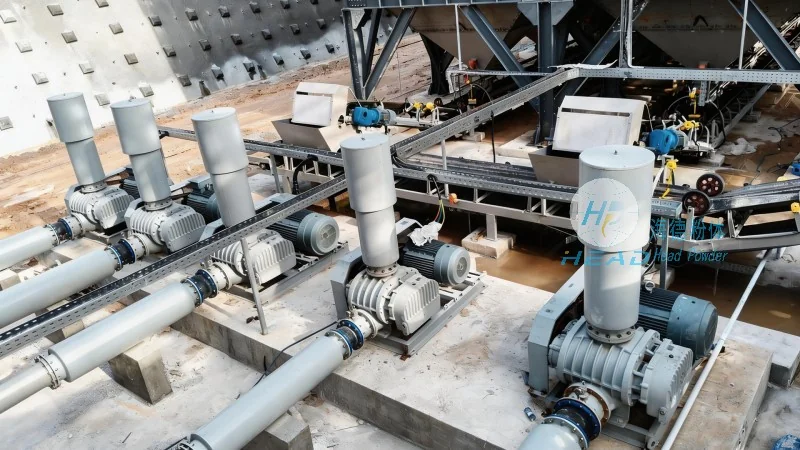
Advantages and Considerations
Pneumatic conveying systems offer several advantages when handling arsenic trioxide, including minimal product degradation, reduced labor costs, and improved safety compared to manual handling. However, the design must consider the material's hazardous properties, requiring proper ventilation, explosion-proof components, and compliance with occupational safety regulations. The system's efficiency is also influenced by factors such as particle size, moisture content, and the distance of material transport, which must be optimized to prevent clogging or loss of material.
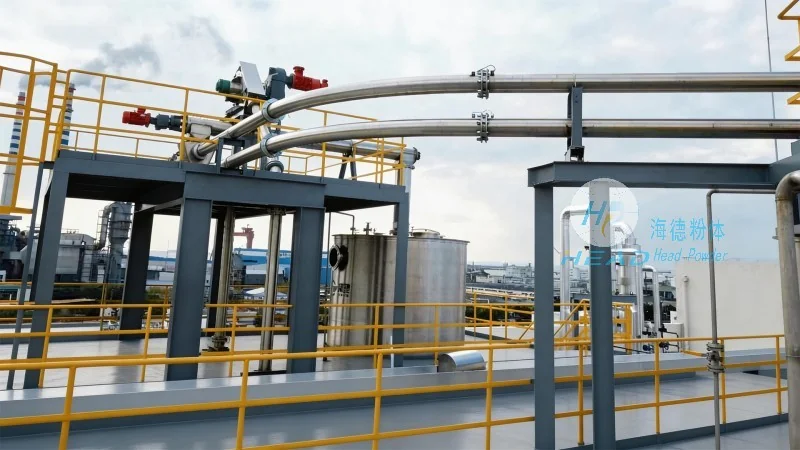
Application Examples and Industry Impact
Real-world applications of arsenic trioxide pneumatic conveying equipment are evident in various industries. In the pharmaceutical sector, the equipment is used to transport raw materials for the production of antiviral drugs, where precision and cleanliness are paramount. In the chemical industry, it facilitates the handling of arsenic trioxide in the production of pigments and other specialty chemicals. The ability to handle fine powders and maintain a closed system minimizes environmental exposure and ensures regulatory compliance, making this technology indispensable in modern industrial processes.
Conclusion
Understanding the principle and working scene characteristics of arsenic trioxide pneumatic conveying equipment is essential for optimizing material handling in industrial settings. By leveraging the principles of pneumatic transport and incorporating specialized components, these systems provide a safe, efficient, and reliable solution for handling arsenic trioxide. As industries continue to prioritize safety and productivity, the adoption of such equipment remains critical, ensuring compliance with regulations while enhancing operational performance.