

Principle and Working Scene Characteristics of Soybean Feed Pneumatic Conveying Equipment
HeadPowder, a leading manufacturer based in Shandong, China, specializes in the design and production of advanced pneumatic conveying systems tailored for the agricultural feed industry. This article delves into the fundamental principles behind soybean feed pneumatic conveying equipment, exploring its operational mechanisms and the specific characteristics of its working environments.
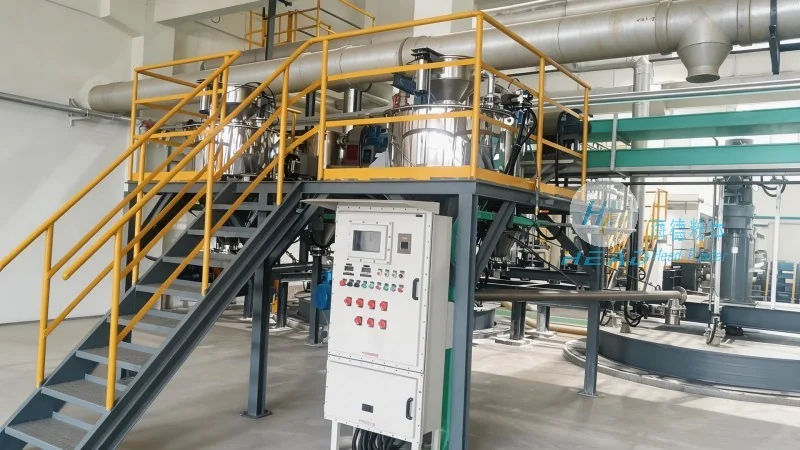
Introduction to Soybean Feed Pneumatic Conveying Equipment
Soybean feed pneumatic conveying equipment is a critical component in modern feed processing facilities, enabling the efficient and hygienic transport of soybean-based feed materials from storage silos to processing lines or feeding stations. The system utilizes air as the primary medium to move bulk materials, eliminating the need for mechanical components like belts or chains that can introduce contamination or wear over time. This technology is particularly valuable in feed production, where maintaining product quality and operational efficiency is paramount.
Core Principles of Pneumatic Conveying Technology
The fundamental principle of pneumatic conveying involves creating a pressure differential between the inlet and outlet of the system. By generating a flow of air through a pipeline, the equipment can lift and transport bulk materials such as soybean feed. There are two main types of pneumatic conveying systems: pressure and vacuum. Pressure systems operate by forcing air into the pipeline under positive pressure, while vacuum systems use a vacuum to draw materials into the system. For soybean feed applications, pressure systems are often preferred due to their ability to handle higher material loads and longer conveying distances without significant pressure loss.
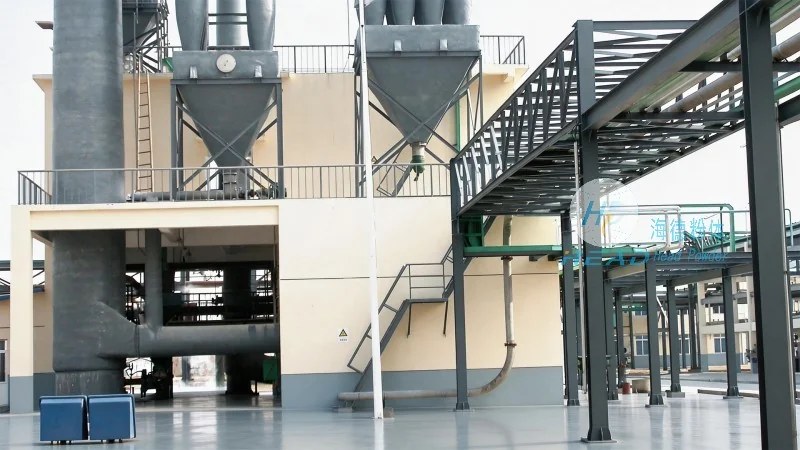
Key Components and Their Functions
The soybean feed pneumatic conveying system consists of several essential components, each playing a crucial role in the overall operation. The primary components include the feed hopper, which holds the soybean feed and controls the flow rate; the air compressor or blower, which generates the necessary air pressure; the conveying pipeline, which transports the material and air mixture; the separation or cyclone unit, which separates the feed from the air; and the discharge outlet, which delivers the feed to the next stage of processing. Each component is designed to work in harmony to ensure smooth and continuous operation, minimizing downtime and maximizing productivity.
Working Scene Characteristics: Efficiency and Hygiene
The working environment of soybean feed pneumatic conveying equipment is characterized by high efficiency and stringent hygiene standards. In feed processing facilities, the equipment operates in a controlled environment where contamination is strictly avoided. The sealed pipeline system prevents dust and moisture from entering or exiting, maintaining the quality of the soybean feed. Additionally, the system’s ability to handle large volumes of material quickly reduces labor costs and improves overall production throughput. The design of the equipment, with its smooth surfaces and easy-to-clean components, further enhances its suitability for food-grade applications, ensuring compliance with industry regulations.
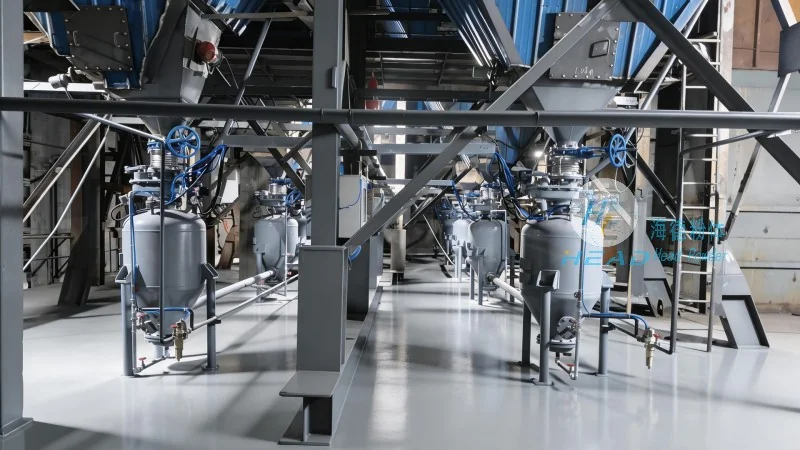
Application Scenarios and Operational Advantages
Soybean feed pneumatic conveying equipment is widely used in various working scenarios within the feed industry. Common applications include the transfer of soybean meal from storage silos to mixing machines, the distribution of feed to different sections of a farm or feed mill, and the loading of feed into trucks or containers. The operational advantages of this system include its flexibility in handling different feed types, its ability to operate in both horizontal and vertical directions, and its low maintenance requirements compared to traditional mechanical conveyors. These features make it an ideal choice for feed producers seeking to optimize their operations while maintaining high standards of product quality and safety.
Conclusion: Enhancing Feed Processing with Advanced Technology
In conclusion, soybean feed pneumatic conveying equipment represents a sophisticated solution for the efficient and hygienic transport of soybean-based feed materials. By leveraging pneumatic conveying technology, feed processing facilities can achieve significant improvements in productivity, cost reduction, and product quality. HeadPowder, with its expertise in engineering and manufacturing, provides reliable and durable equipment that meets the demanding requirements of the feed industry. The principles and characteristics of this equipment make it a valuable asset for any feed producer looking to enhance their operational efficiency and maintain the highest standards of feed quality.