

Principle and Working Scene Characteristics of Ash Slag Pneumatic Conveying Equipment
Ash slag, a byproduct of industrial combustion processes such as power generation and waste incineration, poses significant handling challenges due to its abrasive nature and potential environmental hazards. Pneumatic conveying equipment offers an efficient solution for transporting these materials over long distances or within complex industrial settings. This article explores the fundamental principles behind ash slag pneumatic conveying systems and highlights key working scene characteristics that define their application in modern industrial operations.
The Core Principle of Pneumatic Conveying for Ash Slag
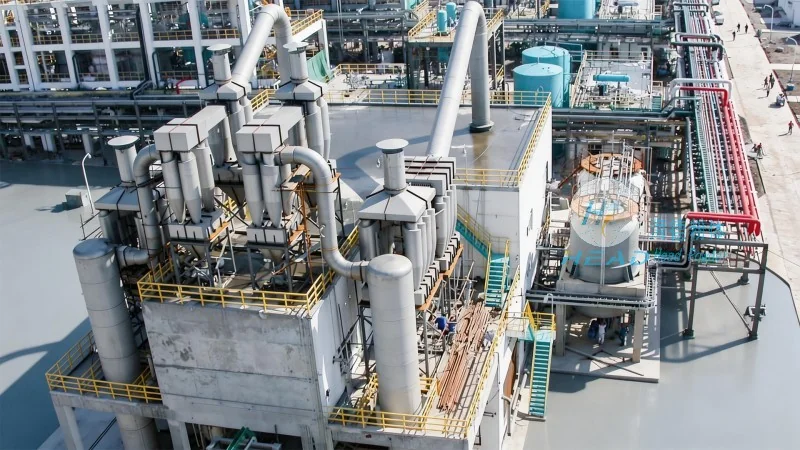
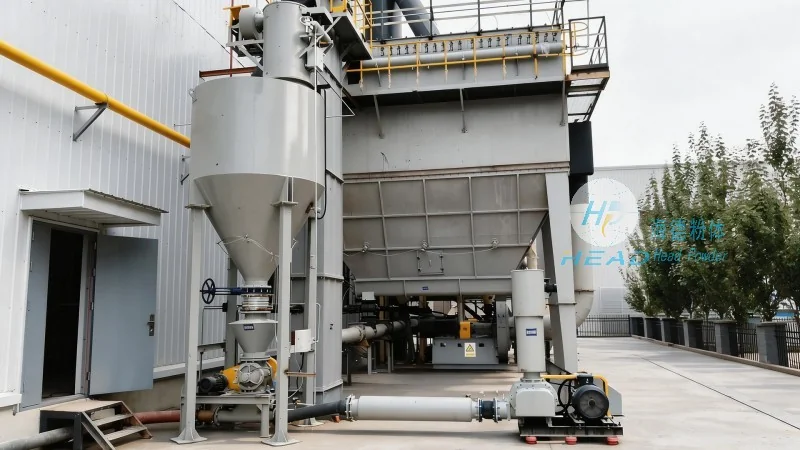
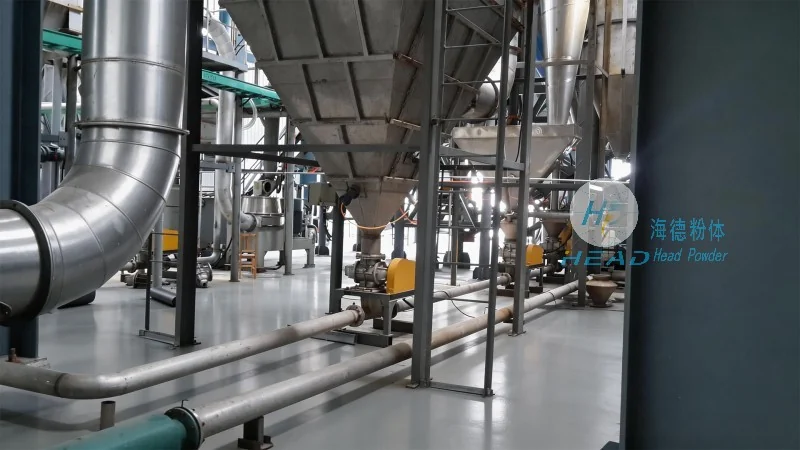
The operation of ash slag pneumatic conveying systems is based on the fundamental principle of using compressed air or gas to transport particulate materials. Unlike traditional mechanical conveyors, which rely on physical contact and friction, pneumatic systems utilize the kinetic energy of the air stream to lift, transport, and deposit the ash slag. The process typically involves a series of components, including a material feed hopper, a rotary valve or feeder, a conveying pipeline, a venturi or air lock for material discharge, and a dust collector or filter system to manage air emissions. The system works by introducing ash slag into the pipeline through the feeder, where it is entrained by the high-velocity air flow. The air stream carries the particles through the pipeline to the discharge point, where the material is separated from the air and collected. The air, now containing fine particulates, passes through a filtration system to remove dust before being released or recirculated, ensuring compliance with environmental regulations.
Key Working Scene Characteristics of Ash Slag Pneumatic Conveying
The effectiveness of ash slag pneumatic conveying equipment is heavily influenced by several working scene characteristics that dictate system design and performance. These characteristics include the particle size distribution and density of the ash slag, the required conveying distance and elevation change, the ambient temperature and humidity conditions, and the need for dust control and environmental compliance. For instance, in power plants, ash slag is often generated in large quantities and needs to be transported from the boiler to storage silos or disposal sites, requiring systems capable of handling high material flow rates and long horizontal distances. The abrasive nature of ash slag demands materials of construction that can withstand wear and corrosion, such as high-strength steel or special alloys, to ensure long service life and minimal maintenance. Additionally, the system must be designed to minimize air leakage and energy consumption, as both contribute to operational costs and environmental impact. In waste incineration facilities, the presence of moisture and volatile compounds in the ash slag may require additional processing steps, such as drying or pre-treatment, to optimize the conveying process and prevent clogging or blockages in the pipeline.
Application Scenarios and Operational Advantages
Ash slag pneumatic conveying systems are widely employed in various industrial settings where traditional conveyor systems are unsuitable or inefficient. In thermal power plants, these systems are critical for transporting fly ash and bottom ash from the boiler to storage or disposal areas, enabling the plant to maintain continuous operation without frequent manual handling. The flexibility of pneumatic systems allows for the integration of multiple conveying lines from different boiler units or storage silos, facilitating efficient material management and reducing downtime. In municipal solid waste (MSW) incineration plants, ash slag is a major byproduct, and pneumatic conveying is used to transport it from the incinerator to landfills or recycling facilities. The ability to handle both dry and slightly moist ash slag makes these systems versatile, adapting to the varying characteristics of waste combustion products. Another key advantage is the reduced need for space compared to traditional conveyors, as pneumatic systems can be installed in confined areas or along existing building structures, making them ideal for retrofitting existing facilities. Furthermore, the enclosed nature of the system minimizes dust emissions and improves workplace safety, aligning with modern environmental and occupational health standards.
Conclusion and Company Overview
Ash slag pneumatic conveying equipment represents a sophisticated and efficient solution for handling challenging industrial waste materials. By leveraging the principles of pneumatic transport, these systems offer significant advantages in terms of operational efficiency, environmental compliance, and space utilization. The working scene characteristics of ash slag, including its abrasive properties and varying moisture content, require careful system design and material selection to ensure optimal performance and longevity. As a leading provider in the field, Shandong HeadPowder Engineering Co., Ltd. specializes in designing and manufacturing customized pneumatic conveying solutions tailored to the specific needs of industrial clients. With a focus on innovation and adherence to industry standards, HeadPowder delivers reliable equipment that enhances the productivity and sustainability of industrial operations. Based in Shandong, China, the company leverages its expertise to serve a global market, providing comprehensive solutions for ash slag handling and transportation. Whether for power generation, waste management, or other industrial applications, HeadPowder's pneumatic conveying systems are engineered to meet the demands of modern industrial environments, ensuring safe, efficient, and environmentally responsible material transport.