

Principles and Operational Scenarios of Pneumatic Conveying Equipment for Petrochemical Industry
HeadPowder, a leading manufacturer based in Shandong, China, specializes in the design, development, and production of advanced pneumatic conveying systems tailored for the petrochemical sector. The company's core focus is on delivering efficient, reliable, and safe solutions that meet the stringent requirements of modern industrial applications. This article delves into the fundamental principles of pneumatic conveying technology and highlights the key operational scenarios where such equipment excels in the petrochemical industry.
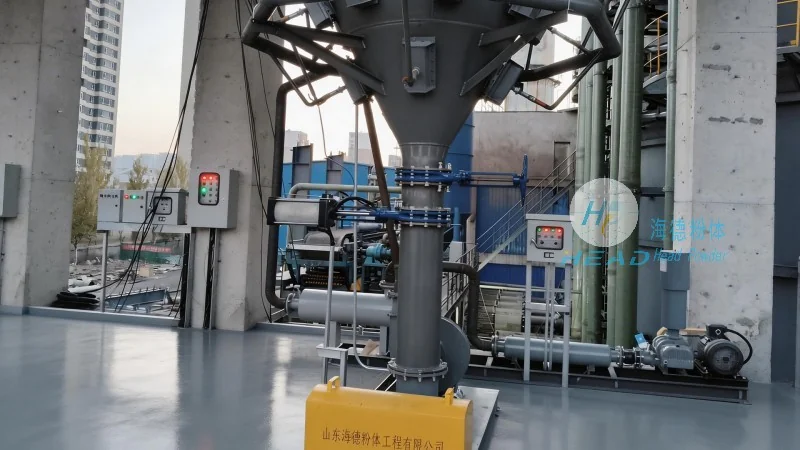
Principles of Pneumatic Conveying Equipment
Pneumatic conveying equipment operates by transporting bulk materials through a pipeline using a gas stream, typically air or other gases. The core principle involves creating a pressure differential or utilizing vacuum to move particles from the source to the destination. There are two primary types of pneumatic conveying systems: pressure and vacuum. Pressure systems use compressed air to push material through the pipeline, while vacuum systems create a negative pressure to draw material in. The choice between these systems depends on factors such as material characteristics, distance, and system layout. In the petrochemical industry, these systems are crucial for handling powders, granules, and other bulk solids that require safe and efficient transfer without contamination or degradation.
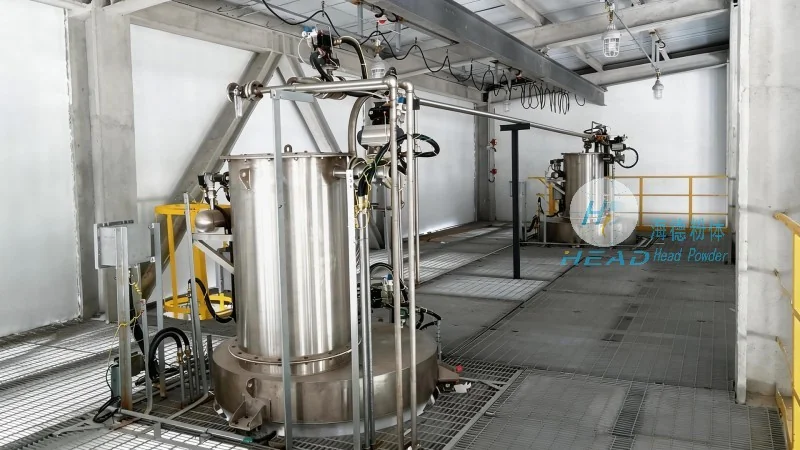
Key Operational Scenarios and Characteristics
The operational scenarios for pneumatic conveying equipment in the petrochemical industry are diverse and demanding. These systems are widely used in processes involving raw material handling, intermediate product transfer, and final product packaging. One of the primary advantages is the ability to transport materials in a closed system, which minimizes exposure to environmental factors and reduces the risk of dust contamination. This is particularly important in petrochemical plants where material purity and safety are paramount. Additionally, pneumatic conveying systems offer high throughput rates and can handle a wide range of material densities and particle sizes, making them versatile for various applications.
Specific Application Examples in Petrochemical Operations
Within the petrochemical sector, pneumatic conveying equipment is applied in several critical processes. For instance, in the handling of raw materials like limestone or clay for chemical production, these systems efficiently transport bulk solids from storage silos to processing units. During intermediate stages, such as the transfer of catalysts or additives, pneumatic conveyors ensure precise and controlled dosing, which is essential for maintaining product quality and consistency. In the final stages, the equipment is used to move finished products from production lines to packaging facilities, ensuring a seamless and continuous workflow. The operational flexibility of these systems allows them to adapt to varying production demands, whether it's during peak production periods or maintenance cycles. Furthermore, the closed-loop design of pneumatic conveying reduces the need for manual handling, enhancing workplace safety and compliance with industrial regulations.
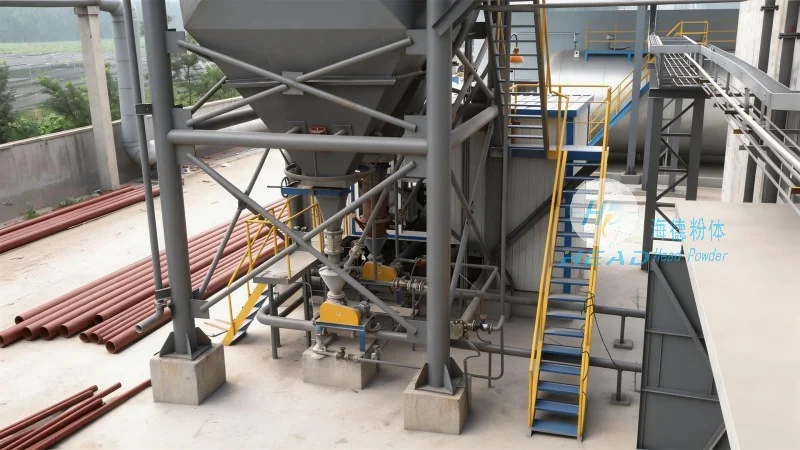
Advantages and Considerations for Petrochemical Applications
Implementing pneumatic conveying equipment in petrochemical operations brings several benefits. The primary advantage is the reduction in material handling time and labor costs, as automated systems can operate continuously without the need for human intervention. Additionally, the closed system design prevents dust emissions, which is crucial for maintaining air quality and meeting environmental regulations. However, there are considerations to keep in mind, such as the need for proper system maintenance to ensure consistent performance and prevent blockages or leaks. The selection of appropriate materials for the pipeline and components is also critical, as petrochemical materials can be corrosive or abrasive, requiring durable and chemically resistant components. HeadPowder's expertise in designing customized solutions ensures that these considerations are addressed effectively, providing clients with reliable and long-lasting pneumatic conveying systems.