

Working Principle and Features of Monosodium Glutamate Material Pneumatic Conveying Line
For industries dealing with monosodium glutamate (MSG), the efficient and reliable transport of this crucial food additive is paramount. Pneumatic conveying lines, particularly those designed for MSG, offer a sophisticated solution that ensures product integrity while maintaining operational efficiency. This article delves into the working principle and key features of such systems, highlighting how they address the unique challenges of handling MSG and other similar powders.
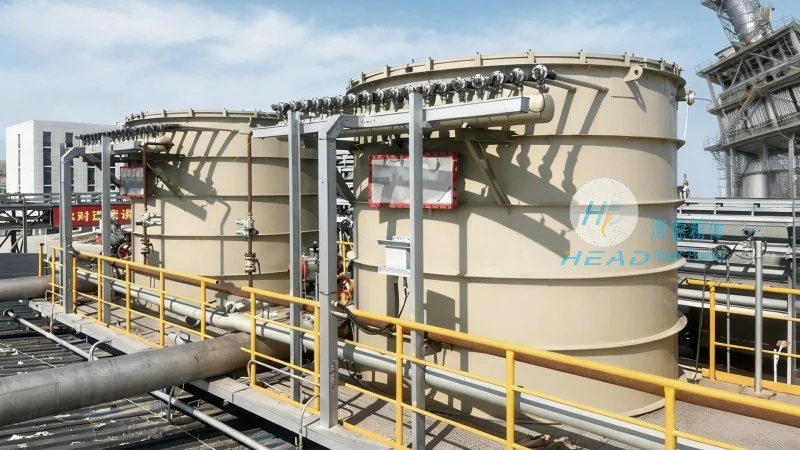
Introduction to Monosodium Glutamate Pneumatic Conveying Systems
Monosodium glutamate, commonly known as MSG, is a widely used flavor enhancer in the food industry. Its granular or powdered form requires specialized handling to prevent caking, contamination, or degradation. Pneumatic conveying systems provide an enclosed, hygienic method to move MSG from storage to processing equipment, packaging lines, or other destinations. These systems are engineered to meet the stringent standards of food processing, ensuring that the product remains pure and free from external contaminants throughout the transport process.
About HeadPowder: A Leader in Pneumatic Conveying Solutions
HeadPowder, a prominent name in the field of material handling, specializes in designing and manufacturing advanced pneumatic conveying systems. With a strong presence in China, particularly in Shandong, the company has built a reputation for delivering high-quality solutions tailored to the needs of the food and chemical industries. The company’s expertise lies in understanding the unique properties of materials like MSG and developing systems that optimize flow, reduce downtime, and enhance overall operational safety. HeadPowder’s commitment to innovation and customer satisfaction has made it a trusted partner for businesses seeking reliable and efficient material transport solutions.
The Working Principle of Monosodium Glutamate Pneumatic Conveying Lines
The core of a pneumatic conveying system is the method of transporting material using air or gas. For MSG, two primary types of systems are commonly employed: positive pressure and negative pressure (or vacuum) systems. In a positive pressure system, air is forced through the conveying line at a high velocity, creating a pressure differential that propels the MSG particles forward. This method is ideal for long-distance or high-volume transport, as it can handle a wide range of particle sizes and flow rates. The system typically includes a blower, a hopper for material storage, and a series of pipes with appropriate fittings to direct the flow. The air and material mixture is then separated at the destination, with the air being filtered and recycled, while the MSG is collected in a receiving hopper or directly into processing equipment.
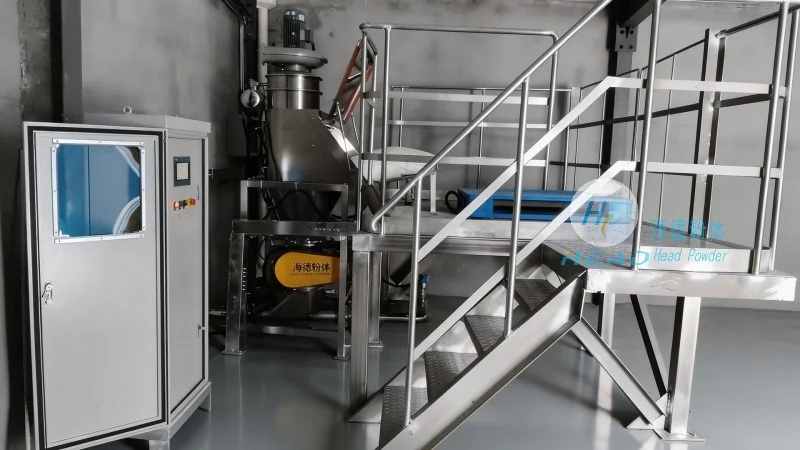
In contrast, negative pressure systems draw material into the conveying line using a vacuum created by a fan or ejector. This approach is often used for shorter distances or when the material needs to be transported from a lower elevation to a higher one. The vacuum pulls the MSG particles into the line, ensuring a gentle and controlled flow. Both systems are designed to minimize product degradation, as the enclosed environment protects the MSG from moisture, dust, and other external factors that could affect its quality. The choice between positive and negative pressure depends on factors such as the distance to be covered, the volume of material, and the specific layout of the processing facility.
Key Features of Monosodium Glutamate Pneumatic Conveying Systems
Several critical features distinguish effective MSG pneumatic conveying systems, making them indispensable in modern food processing. First, hygienic design is paramount. The systems are constructed from materials that are easy to clean and sanitize, such as stainless steel, to comply with food safety regulations. This prevents cross-contamination and ensures that the MSG remains free from bacteria or other pathogens. Second, efficiency and reliability are key. Advanced control systems allow for precise regulation of air flow and pressure, ensuring consistent material transport without fluctuations. This reduces downtime and increases overall productivity. Third, flexibility is another important feature. Many systems are modular, allowing for easy expansion or reconfiguration as production needs change. This adaptability is particularly valuable in industries where product lines or processing requirements evolve over time.
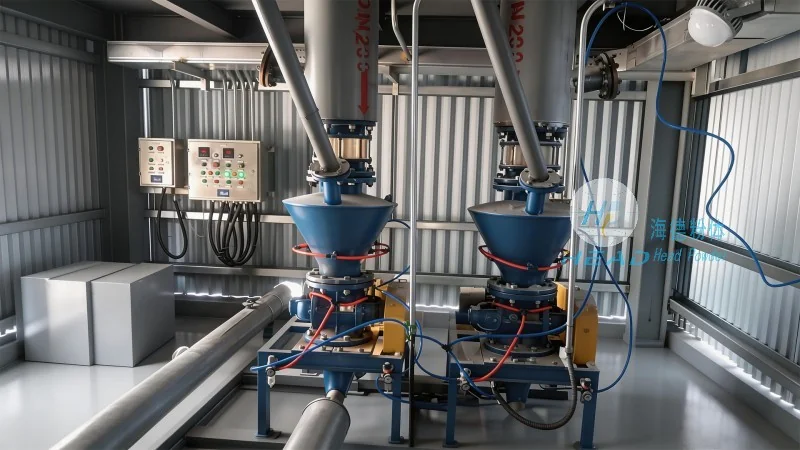
Additionally, energy efficiency is a significant consideration. Modern pneumatic conveying systems incorporate energy-saving technologies, such as variable frequency drives (VFDs) for blowers, which adjust the air flow based on demand. This not only reduces operational costs but also minimizes the environmental impact of the system. The systems also feature low maintenance designs, with easy access to components for inspection and repair, reducing the need for frequent downtime and extending the lifespan of the equipment.
Applications and Benefits in the Food Industry
The benefits of MSG pneumatic conveying systems extend beyond mere transport. By keeping the material enclosed and protected, these systems help maintain the product’s quality and shelf life. This is especially important for MSG, which can degrade if exposed to air or moisture. The enclosed environment also reduces the risk of dust contamination, a common issue in traditional bulk handling methods. Furthermore, the systems contribute to a cleaner and safer working environment, as they eliminate the need for manual handling of powders, which can cause respiratory issues or other health concerns. For food manufacturers, this translates to improved product safety, regulatory compliance, and overall operational excellence.
Conclusion
Monosodium glutamate pneumatic conveying lines represent a sophisticated solution for the efficient and safe transport of this essential food additive. By understanding the working principles and key features of these systems, businesses can make informed decisions about their material handling strategies. With companies like HeadPowder leading the way in providing tailored solutions, the food industry can rely on advanced technology to enhance productivity, maintain product quality, and ensure compliance with industry standards. As the demand for MSG and other food additives continues to grow, the importance of reliable pneumatic conveying systems will only increase, making them a critical component of modern food processing operations.