

Working Principle and Features of Feed Material Pneumatic Conveying Lines
Feed material pneumatic conveying lines are essential equipment in the agricultural and food processing industries, designed to efficiently transport bulk materials like grains, pellets, and other feed components. Understanding the working principle and key features of these systems is crucial for optimizing operations and ensuring reliable material handling. This article explores the fundamental mechanisms behind pneumatic conveying and highlights the distinctive attributes that make such systems effective for feed processing applications.
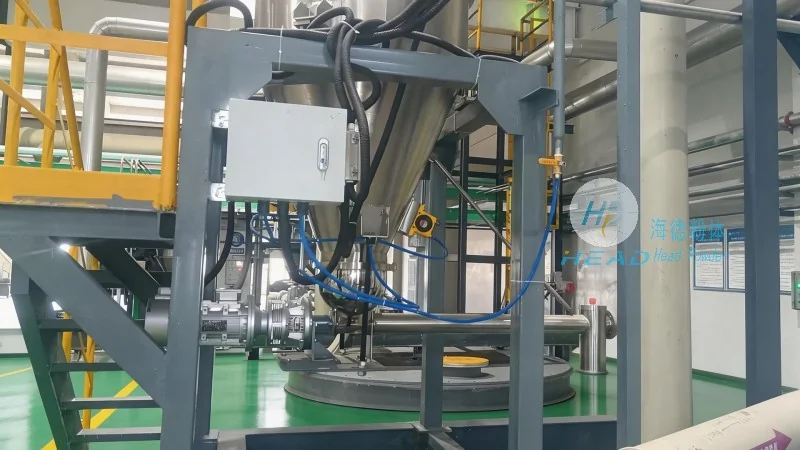
Working Principle of Feed Material Pneumatic Conveying Lines
The core working principle of a feed material pneumatic conveying line involves the use of air or gas to transport bulk materials through a pipeline system. There are two primary types of pneumatic conveying systems: positive pressure and negative pressure. In positive pressure systems, air is forced into the pipeline, creating a pressure higher than the ambient air, which propels the material forward. This method is commonly used for short to medium-distance transport and is effective for handling fine or dusty materials. The process typically begins with the material being fed into a hopper or feeder, where it is then mixed with the air stream. The air and material mixture travels through the pipeline, with the air pressure maintaining the material's movement. At the discharge point, the material is separated from the air, often through a cyclone or filter, and collected in a receiving bin. Negative pressure systems, on the other hand, create a vacuum in the pipeline, drawing the material and air into the system. This approach is suitable for longer distances and is ideal for handling materials that are sensitive to pressure or require a more controlled environment. The material is drawn from a source, such as a silo or storage bin, and transported to the destination under negative pressure. Both systems rely on the interaction between the air flow and the material particles to achieve efficient transport. The velocity of the air and the size of the particles are critical factors that determine the system's performance. Proper design ensures that the air velocity is sufficient to keep the material suspended and moving through the pipeline without causing excessive wear or blockages.
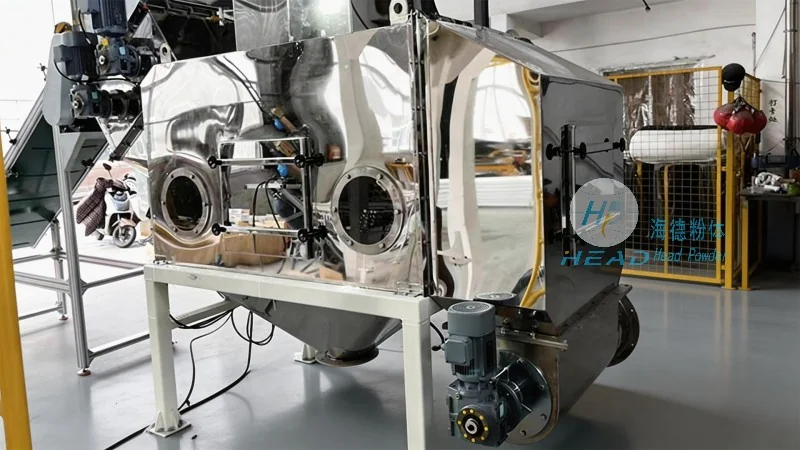
Key Features of Feed Material Pneumatic Conveying Lines
Feed material pneumatic conveying lines offer several advantages that make them a preferred choice for feed processing facilities. One of the most significant features is their ability to handle a wide range of materials, including powders, pellets, and granules. This versatility allows for the efficient transport of various feed components without the need for multiple handling systems. The systems are also highly flexible, as they can be easily integrated into existing production lines or expanded to accommodate increased production volumes. This adaptability is particularly valuable in dynamic feed manufacturing environments where product lines may change or production scales up. Another key feature is the minimal maintenance required for pneumatic conveying systems. Unlike mechanical conveyors, which involve moving parts like belts or chains, pneumatic systems have fewer components that can wear out or require regular servicing. The absence of moving parts reduces the risk of mechanical failure and lowers long-term maintenance costs. Additionally, pneumatic conveying lines are designed to be hygienic and easy to clean, which is essential for feed processing applications where food safety and compliance with regulations are paramount. The enclosed pipeline system prevents contamination from external sources and simplifies cleaning procedures. Efficiency is another standout feature of these systems. Pneumatic conveying can achieve high material throughput rates, often with lower energy consumption compared to traditional mechanical methods. The ability to transport materials over long distances without the need for intermediate storage or handling points enhances overall operational efficiency. This reduces downtime and improves the speed of production. Furthermore, the systems are relatively compact and can be installed in various layouts, making them suitable for facilities with limited space. The modular design allows for easy installation and modification, which is beneficial for expanding or reconfiguring feed processing operations. Safety is also a critical feature of feed material pneumatic conveying lines. The enclosed nature of the system minimizes the risk of dust explosions or material exposure to the environment. Proper design and installation, including explosion-proof components and dust collection systems, ensure that the operation is safe for both personnel and the facility. This safety aspect is particularly important in feed processing, where dust can be a fire hazard and material contamination is unacceptable. The systems also offer better control over material flow, allowing operators to adjust the speed and volume of transport as needed. This control helps in maintaining consistent product quality and preventing overloading or underloading of the receiving equipment. Overall, the combination of versatility, efficiency, and safety makes feed material pneumatic conveying lines an indispensable part of modern feed processing operations.
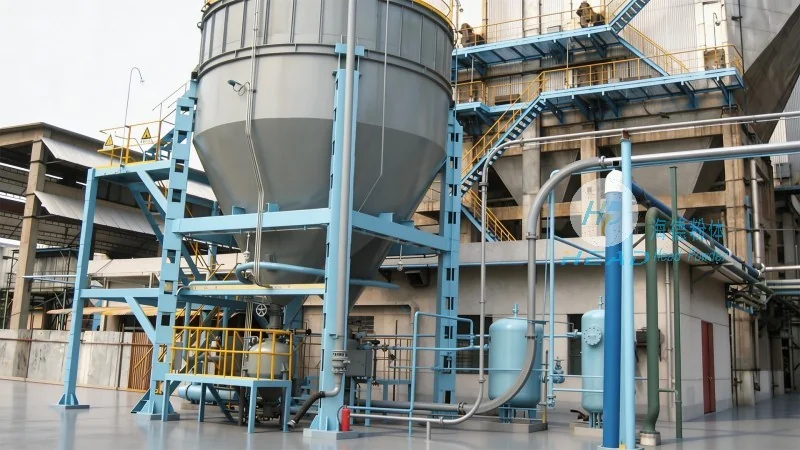
Company Introduction: Shandong HeadPowder Engineering Co., Ltd.
As a leading manufacturer in the field of feed processing equipment, Shandong HeadPowder Engineering Co., Ltd. specializes in designing and supplying high-quality pneumatic conveying systems tailored to the needs of the agricultural and food industries. With a strong commitment to innovation and customer satisfaction, HeadPowder has established itself as a trusted partner for feed manufacturers seeking reliable and efficient material handling solutions. The company's expertise lies in the engineering and production of advanced pneumatic conveying lines that meet the stringent requirements of modern feed processing. By leveraging years of experience and cutting-edge technology, HeadPowder ensures that its products are durable, efficient, and easy to maintain. The company's facilities are located in Shandong, China, where it operates a state-of-the-art manufacturing plant equipped with the latest machinery and quality control systems. This infrastructure enables HeadPowder to produce equipment that adheres to international standards and complies with industry regulations. The team at HeadPowder consists of skilled engineers, technicians, and professionals who are dedicated to delivering customized solutions that address the unique challenges of each client. Whether it's a new installation or an upgrade to an existing system, HeadPowder provides comprehensive support, from initial design and consultation to installation and after-sales service. The company's focus on customer needs and continuous improvement has earned it a reputation for excellence in the industry. By choosing HeadPowder, feed manufacturers can benefit from reliable equipment that enhances their operational efficiency and product quality. The company's commitment to quality and customer service ensures that clients receive not just a product, but a partnership that supports their long-term success in the feed industry.