

Working Principle and Features of Perlite Material Conveying Lines
Perlite material conveying lines are specialized systems engineered to transport perlite, a lightweight, porous volcanic glass material, efficiently and safely. Widely utilized in construction, horticulture, and industrial sectors, perlite's unique properties—such as low density, high porosity, and free-flowing behavior—require specialized handling solutions. These lines are designed to move perlite from storage silos or bulk containers to processing or packaging areas, ensuring minimal material loss, dust generation, and operational disruptions. The systems integrate components like feeders, conveyors, and control mechanisms to maintain consistent flow rates and material quality throughout the conveying process. Developed by Shandong HeadPowder Engineering Co., Ltd., a leading manufacturer based in China, these lines are tailored to meet the specific needs of perlite handling in various industries.
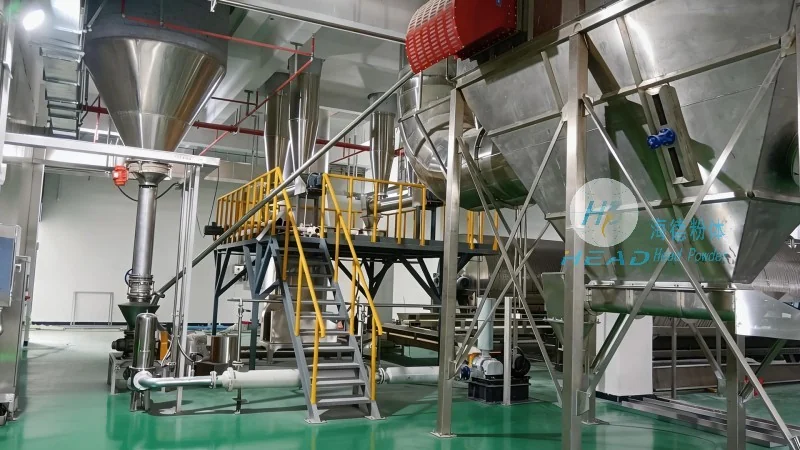
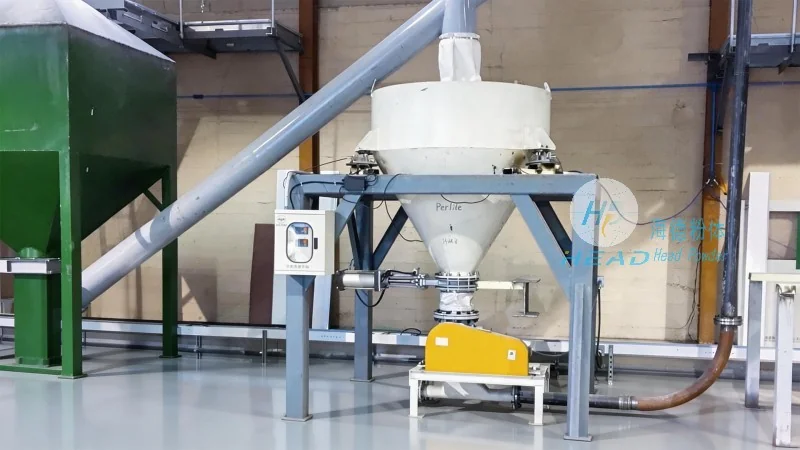
Working Principle of Perlite Material Conveying Lines
The operational principle of a perlite material conveying line involves a coordinated sequence of steps to move the material through the system. The process typically starts with perlite stored in bulk containers or silos. A feeder or hopper then regulates the material flow into the conveyor system, ensuring a controlled and steady supply. The conveyor itself may be a belt conveyor, screw conveyor, or pneumatic system, selected based on the application's specific needs. For perlite, belt conveyors are common due to their ability to handle bulk materials over long distances with low maintenance. Vertical elevators or conveyors may be included to transport perlite between different facility levels. Integrated sensors and controls monitor flow rate, pressure, and other parameters, preventing blockages or overloading. The entire system is designed to preserve perlite's integrity, minimizing dust and maintaining consistent quality.
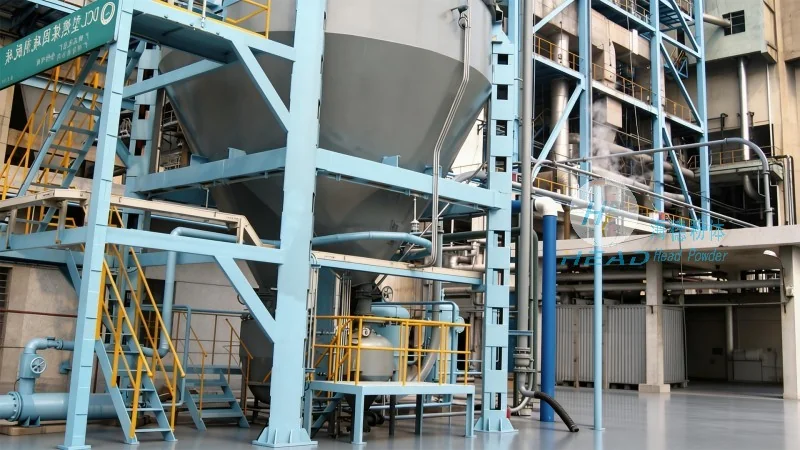
Key Features of Perlite Material Conveying Lines
Perlite material conveying lines are distinguished by several critical features that address the material's characteristics and operational requirements. First, their design accommodates low-density materials, using larger cross-sectional areas or higher speeds to maintain consistent flow. This prevents issues like material starvation or overfeeding, which could disrupt downstream processes. Second, dust control is a key feature. Perlite is fine and powdery, so the systems include sealed hoppers, enclosed conveyor sections, and dust collection systems to minimize dust generation and protect personnel. Third, the systems are built for easy maintenance and cleaning. Components are constructed from corrosion-resistant materials, with access points for routine inspections and cleaning, reducing downtime. Fourth, modularity allows for flexibility in adapting to changing production volumes or facility layouts. Finally, energy efficiency is prioritized through optimized conveyor speeds and slopes, lowering operational costs.
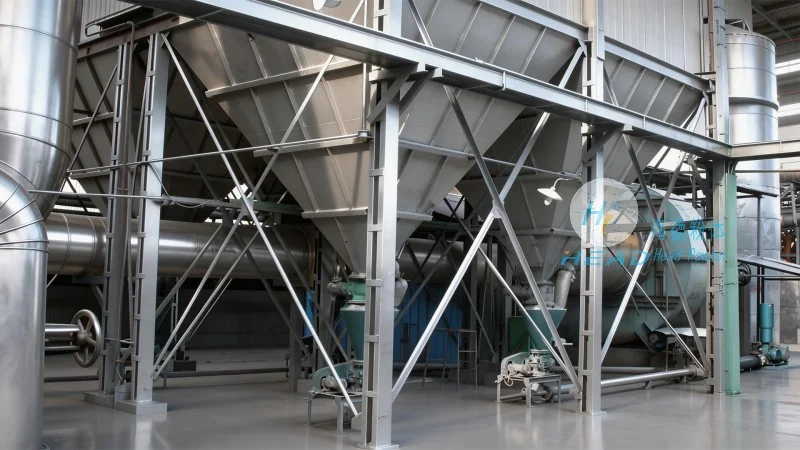
Applications and Benefits of Perlite Material Conveying Lines
The applications of perlite material conveying lines are diverse, reflecting perlite's use in construction, horticulture, and industrial sectors. In construction, these lines transport perlite for lightweight concrete, insulating boards, and decorative materials, ensuring consistent product quality. In horticulture, they move perlite to mixing facilities for potting mixes, maintaining purity and consistency. In industrial applications, they deliver perlite as a filter aid, absorbent, or filler, supporting processing plants. The benefits include improved material handling efficiency, reduced labor costs, and consistent quality for downstream processes. Dust control enhances workplace safety, and energy-efficient design lowers operational expenses. Overall, these lines optimize workflow and ensure the quality of perlite-based products across industries.