

Working Principle and Features of Magnesium Sulfate Material Handling Conveying Lines
Shandong HeadPowder Engineering Co., Ltd., a professional manufacturer based in Shandong, China, specializes in the design, production, and installation of advanced material handling systems. With years of experience in the industry, the company has developed a range of high-efficiency conveying solutions tailored for various industrial applications, including the transportation of bulk materials like magnesium sulfate.
Working Principle of Magnesium Sulfate Material Handling Conveying Lines
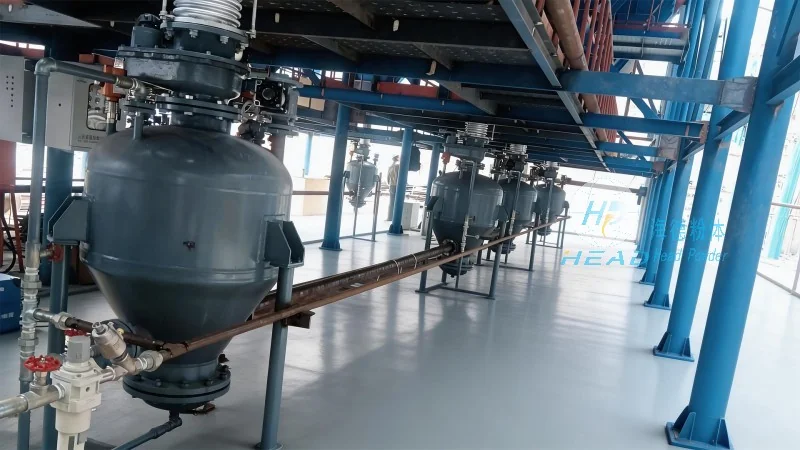
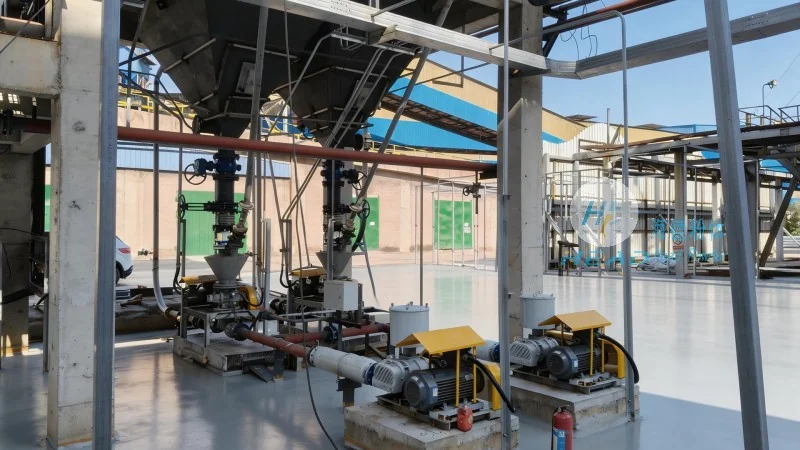
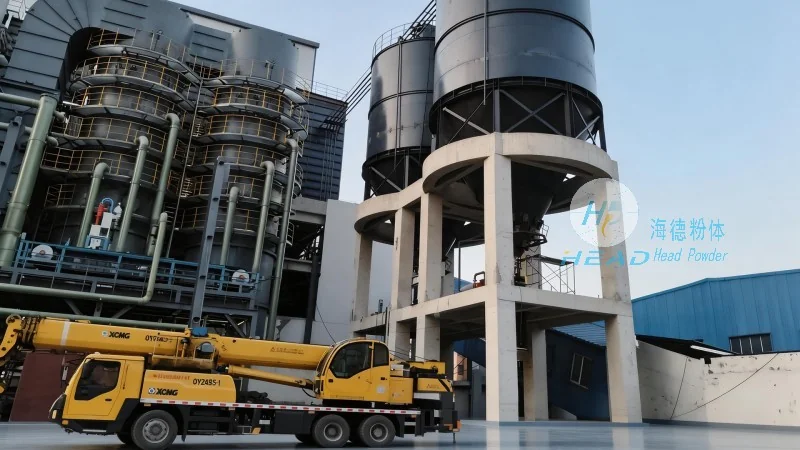
The magnesium sulfate material handling conveying line operates on a systematic approach that integrates multiple components to ensure efficient material transport. At its core, the system typically consists of a series of conveyors, such as belt conveyors, screw conveyors, or pneumatic conveyors, which are selected based on the physical properties of the magnesium sulfate, including its particle size, moisture content, and flowability. The process begins with the material being loaded into a hopper or storage silo, where it is then fed into the primary conveyor. The conveyor system uses mechanical or pneumatic forces to move the material through the line, often incorporating features like adjustable speed controls and variable tension to maintain consistent flow rates. Additionally, the system may include auxiliary equipment such as feeders, classifiers, or dust collection units to enhance operational efficiency and safety. The entire process is controlled by a centralized control system that monitors parameters like temperature, pressure, and material level, ensuring optimal performance and minimizing downtime.
Key Features of Magnesium Sulfate Material Handling Conveying Lines
Shandong HeadPowder Engineering Co., Ltd.'s magnesium sulfate material handling conveying lines are designed with several key features that set them apart in the industry. Firstly, the systems are built with high-quality materials and robust construction to withstand the corrosive and abrasive nature of magnesium sulfate, ensuring long-term durability and minimal maintenance. The conveyors are equipped with advanced sealing and lubrication systems to prevent material leakage and reduce wear, which is crucial for maintaining product purity and operational safety. Secondly, the lines are highly customizable, allowing for integration with existing production facilities or expansion as production needs grow. This flexibility enables customers to adapt the system to their specific operational requirements without significant modifications. Thirdly, the systems incorporate energy-efficient technologies, such as variable frequency drives and optimized conveyor designs, to reduce power consumption and lower operational costs. Furthermore, the use of automated control systems provides real-time monitoring and data analysis, enabling proactive maintenance and improved process control. These features collectively contribute to enhanced productivity, reduced operational costs, and improved safety in the handling of magnesium sulfate.