

Working Principle and Features of Plaster Powder Material Conveying Lines
Plaster powder material conveying lines are essential industrial equipment used in the production and processing of plaster powders. These systems are designed to efficiently transport bulk plaster powder from storage silos or raw material bins to processing units or packaging stations. The working principle and key features of such conveying lines are crucial for understanding their functionality and benefits in industrial applications.
Working Principle of Plaster Powder Material Conveying Lines
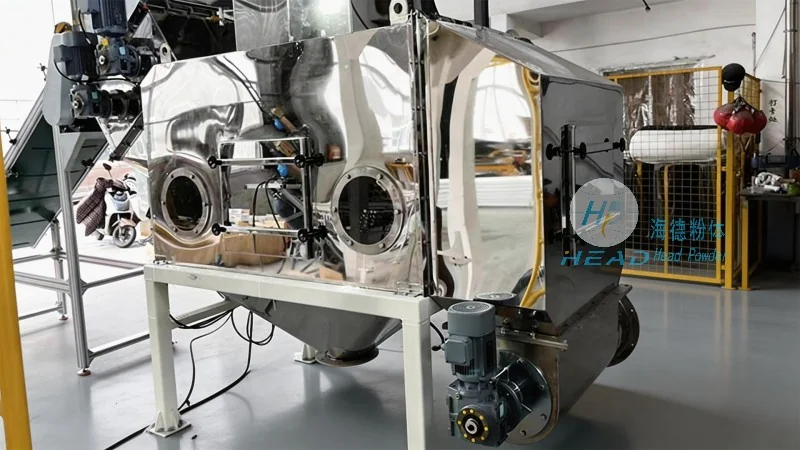
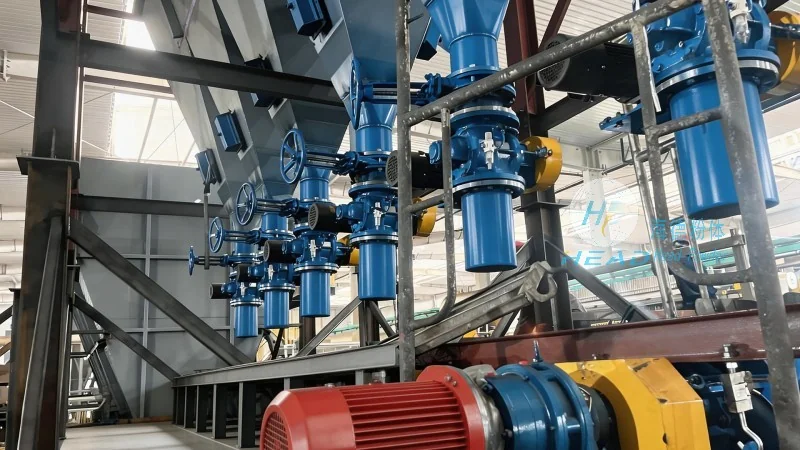
The core working principle of a plaster powder material conveying line revolves around the continuous movement of bulk material using mechanical or pneumatic systems. Typically, these lines consist of several interconnected components that work in tandem to ensure smooth and reliable material transfer. The process begins with the material being fed from a storage hopper or silo into a feeder unit. The feeder, often equipped with a screw or rotary valve, regulates the flow rate of the plaster powder, ensuring a consistent and controlled feed to the conveying system.
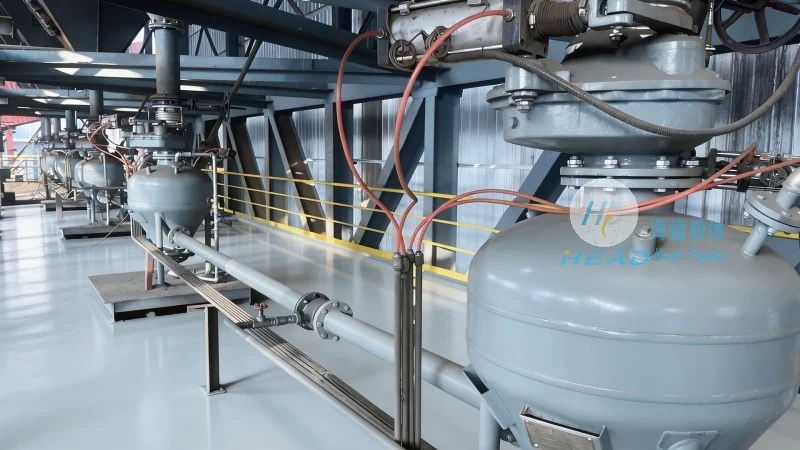
From the feeder, the plaster powder is then transferred to a conveyor or pneumatic transport system. In mechanical conveying systems, such as screw conveyors or belt conveyors, the material is moved through a closed or semi-closed pipe by rotating components. The screw conveyor, for instance, uses a rotating helical screw to push the powder forward, while the belt conveyor relies on a moving belt to transport the material. Pneumatic conveying systems, on the other hand, utilize compressed air to create a flow of air and material through a pipeline. The air flow carries the plaster powder from the source to the destination, often with the help of cyclone separators or filters to separate the material from the air at the receiving end.
The control unit plays a vital role in managing the entire conveying process. It monitors parameters such as flow rate, pressure, and temperature, and adjusts the operation of the feeder and conveying equipment as needed. Modern systems often incorporate sensors and automation technology to enhance efficiency and reduce downtime. For example, level sensors can detect the material level in the hopper and trigger the feeder to start or stop, preventing overfilling or underfilling. Pressure sensors in the pneumatic lines can adjust the air pressure to maintain optimal flow rates, ensuring consistent material transfer.
Key Features of Plaster Powder Material Conveying Lines
Plaster powder material conveying lines are characterized by several key features that make them suitable for industrial applications. One of the primary features is their high efficiency in handling bulk materials. These systems can transport large volumes of plaster powder at a steady rate, minimizing material handling time and labor costs. The ability to maintain a consistent flow rate is particularly important in processes where precise material control is required, such as in the production of plaster products.
Another significant feature is the adaptability of these conveying lines to different material characteristics. Plaster powders can vary in particle size, moisture content, and density, and the conveying systems are designed to accommodate these variations. For example, some systems use flexible hoses or adjustable screw diameters to handle materials with different flow properties. This adaptability ensures that the conveying line can be used for various plaster powder types, from fine powders to coarser aggregates.
Cleanliness and hygiene are also critical features, especially in food or pharmaceutical applications where plaster powders are used. The conveying lines are typically constructed from materials that are easy to clean and resistant to corrosion, such as stainless steel. The design of the system, including sealed connections and minimal dead zones, helps prevent material contamination and ensures compliance with industry standards. Additionally, some systems incorporate dust collection and filtration systems to maintain a clean working environment and protect operators from dust exposure.
Energy efficiency is another important feature of modern plaster powder material conveying lines. Advanced systems use energy-saving components, such as variable frequency drives (VFDs), to adjust the speed of the conveying equipment based on the material flow rate. This allows for optimal energy usage, reducing operational costs and environmental impact. The integration of automation and control systems also minimizes energy waste by ensuring that the equipment operates only when needed.
Company Information: Shandong HeadPowder Engineering Co., Ltd.
Shandong HeadPowder Engineering Co., Ltd., commonly known as headpowder, is a leading manufacturer and supplier of industrial conveying systems, including plaster powder material conveying lines. With a strong focus on innovation and quality, the company has established itself as a trusted partner in the construction and manufacturing industries. Headpowder's products are designed to meet the specific needs of customers, offering reliable and efficient solutions for material handling challenges.
Headpowder is committed to providing high-quality equipment that enhances productivity and safety in industrial operations. The company's team of engineers and technicians work closely with clients to understand their requirements and develop customized conveying solutions. By leveraging advanced technology and rigorous testing, Headpowder ensures that its products meet the highest standards of performance and durability.
Headquartered in Shandong, China, Headpowder operates from a state-of-the-art facility equipped with modern manufacturing equipment and testing facilities. The company's location in China provides access to a wide range of raw materials and skilled labor, enabling efficient production and delivery of its products. Headpowder's commitment to customer satisfaction and continuous improvement has earned it a reputation as a reliable and innovative supplier in the industry.