

Working Principle and Features of Negative Electrode Material Powder Conveying System Equipment
This article provides an in-depth exploration of the working principle and key features of the negative electrode material powder conveying system equipment, a critical component in the battery manufacturing industry. The system is designed to efficiently handle and transport fine powders, such as those used in lithium-ion battery production, ensuring precision and reliability in material handling processes.
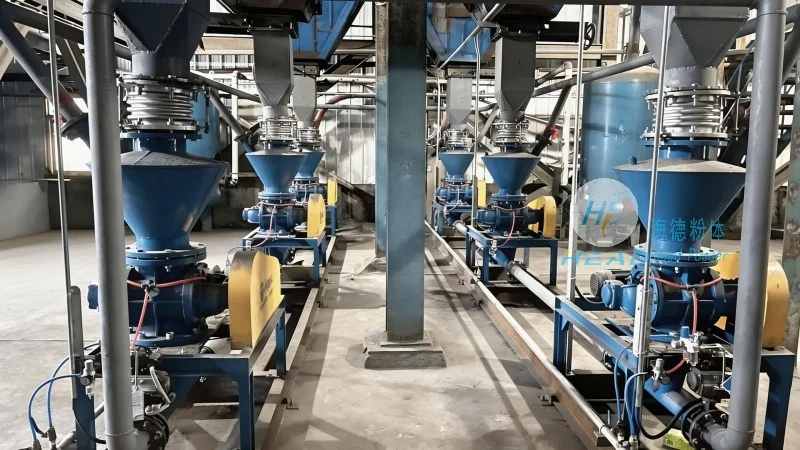
HeadPowder, a leading manufacturer based in Shandong, China, specializes in engineering solutions for powder handling and conveying systems. The company’s expertise lies in developing customized equipment tailored to the specific needs of the battery industry, particularly in managing negative electrode materials that require high precision and low contamination levels.
The working principle of the negative electrode material powder conveying system typically involves several key components and processes. At its core, the system uses a combination of pneumatic or mechanical conveying methods to transport fine powders from storage silos or processing units to the production line. The primary components include feeders, conveyors, dust collectors, and control systems, all working in tandem to ensure smooth and continuous material flow.
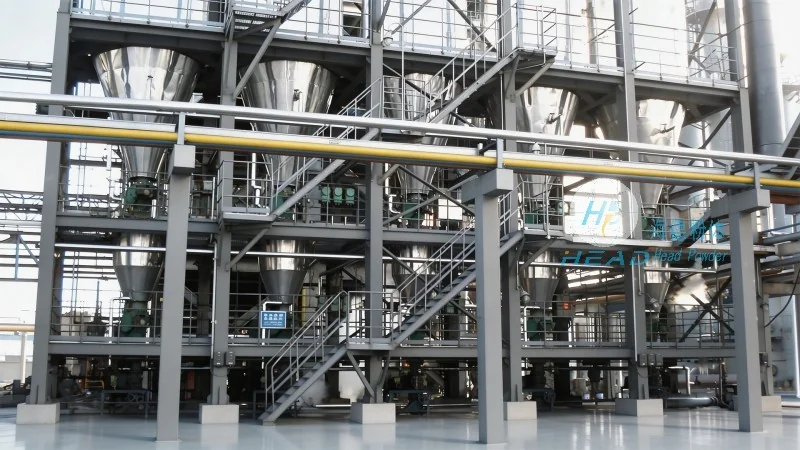
During operation, the system begins with the material being fed from a storage hopper into a feeder, which regulates the flow rate to maintain consistent material delivery. The feeder then transfers the material to a conveyor system, which can be either a pneumatic pipeline or a mechanical screw or belt conveyor, depending on the specific application and material properties. The conveying process is carefully controlled to prevent material degradation, agglomeration, or loss of quality, which are common challenges in handling fine powders.
One of the critical aspects of the system is the integration of dust collection and filtration systems. These components are essential for maintaining a clean and safe working environment, as fine powders can generate significant dust that poses health and safety risks. The dust collectors use high-efficiency filters to capture particles, ensuring that the air released back into the environment is clean and compliant with regulatory standards. This feature not only enhances workplace safety but also contributes to the overall efficiency of the production process by minimizing material loss and contamination.
The control system plays a vital role in managing the entire operation. Modern conveying systems are equipped with advanced control panels and sensors that monitor parameters such as flow rate, pressure, and material level. These sensors provide real-time data, allowing operators to adjust settings dynamically and respond to changes in production demands. The control system also includes safety features, such as emergency stop buttons and overload protection, to prevent accidents and equipment damage.
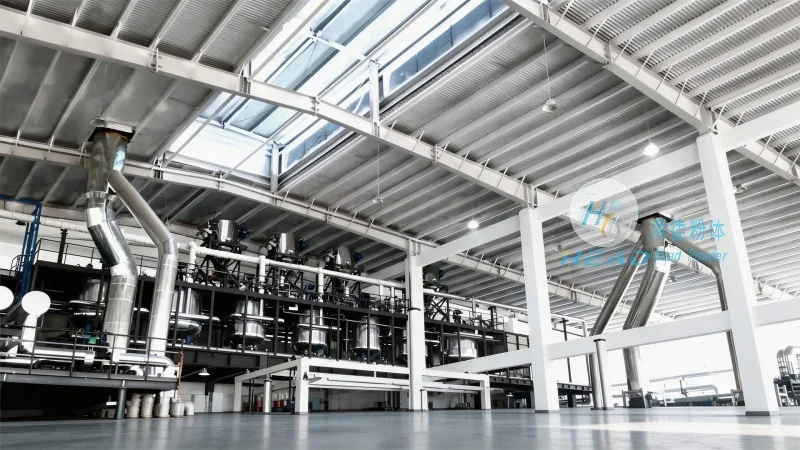
Now, let's delve into the key features that distinguish the negative electrode material powder conveying system from other handling solutions. The first notable feature is its high precision and accuracy in material delivery. The system is designed to minimize variations in flow rate and material distribution, which is crucial for maintaining consistent battery performance. This precision is achieved through the use of high-quality feeders and conveyors that are calibrated to handle fine powders without causing segregation or agglomeration.
Another important feature is the system's ability to handle a wide range of material types and particle sizes. The modular design of the equipment allows for easy adaptation to different materials, from carbon black and graphite powders to other additives used in battery production. This flexibility makes the system suitable for various applications and production scales, from small-scale research and development to large-scale commercial manufacturing.
The system also emphasizes energy efficiency and operational cost reduction. By optimizing the conveying process and minimizing material loss, the equipment helps reduce overall production costs. The use of efficient control systems and energy-saving components further contributes to lower operational expenses. Additionally, the system's low maintenance requirements and long service life reduce downtime and maintenance costs, enhancing the overall return on investment for manufacturers.
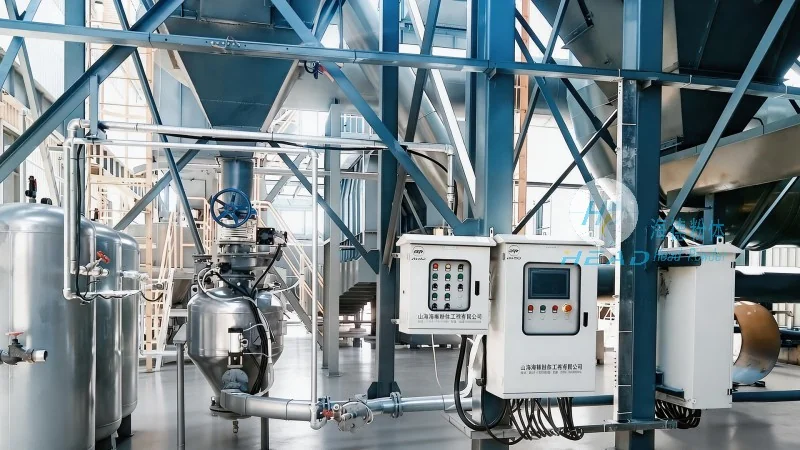
Furthermore, the negative electrode material powder conveying system is designed with safety and environmental compliance in mind. The integration of dust collection and filtration systems ensures that the working environment remains safe for operators, while the system's design minimizes the risk of material spills and leaks. The equipment also adheres to international standards and regulations, such as those related to occupational health and safety and environmental protection, making it a reliable choice for manufacturers seeking to meet regulatory requirements.
In conclusion, the negative electrode material powder conveying system equipment, manufactured by Shandong HeadPowder Engineering Co., Ltd., combines advanced technology and engineering expertise to provide an efficient and reliable solution for handling negative electrode materials in battery production. The system's working principle, which involves precise material feeding, controlled conveying, and effective dust management, ensures high-quality material delivery while maintaining safety and environmental standards. The key features of the system, including its precision, flexibility, energy efficiency, and compliance with regulations, make it an essential component for modern battery manufacturers seeking to optimize their production processes and enhance product quality.