

Working Principle and Features of Concrete Powder Conveyors
Concrete powder conveyors are essential equipment in the construction industry, designed to efficiently transport dry concrete powders over long distances with minimal loss and high reliability. Understanding their working principle and key features is crucial for selecting the right equipment for specific construction projects. This article provides a detailed overview of how concrete powder conveyors operate and the advantages they offer.
Working Principle of Concrete Powder Conveyors
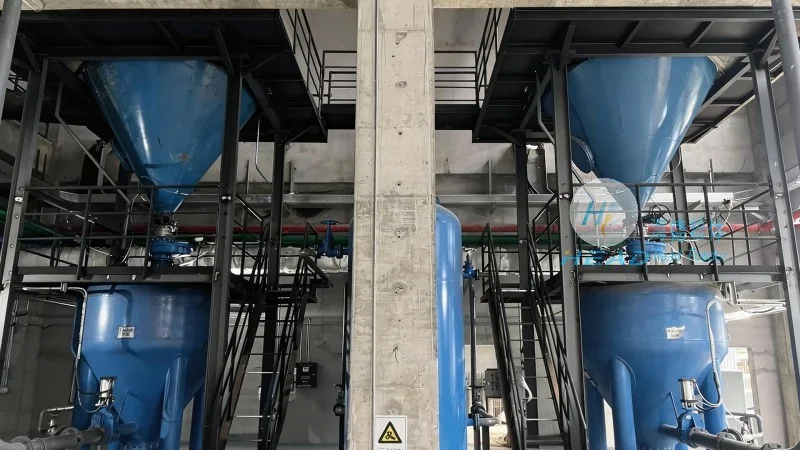
The operation of concrete powder conveyors typically involves a combination of mechanical and pneumatic systems to ensure smooth and continuous material transport. At the core of the system is a hopper or feeding mechanism that collects the dry concrete powder. This material is then fed into a conveying pipeline, where it is propelled by either compressed air (in pneumatic conveyors) or mechanical components like screws or belts (in mechanical conveyors). The choice of propulsion method depends on the distance, material characteristics, and desired efficiency. Pneumatic conveyors, for instance, use high-pressure air to create a vacuum or pressure differential that moves the powder through the pipeline, while mechanical conveyors rely on rotating screws or belts to push the material forward. The system also includes control valves and sensors to regulate the flow rate and ensure consistent performance. The entire process is designed to minimize material degradation, prevent blockages, and maintain a stable flow, making it suitable for various construction applications such as precast concrete production, concrete mixing plants, and on-site material distribution.
Key Features of Concrete Powder Conveyors
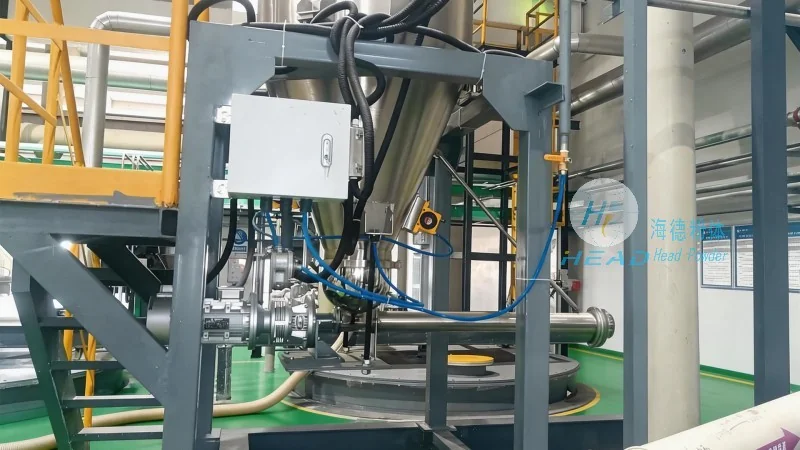
Concrete powder conveyors from Shandong HeadPowder Engineering Co., Ltd. (commonly known as headpowder) are engineered with several notable features that enhance their performance and usability. One of the primary advantages is their high efficiency in material transport, capable of moving large volumes of dry concrete powder over significant distances without the need for excessive energy consumption. The equipment is also designed with durability in mind, using high-quality materials and robust construction to withstand the rigors of continuous operation in construction environments. Additionally, these conveyors are equipped with advanced control systems that allow for precise regulation of flow rates, pressure, and temperature, ensuring optimal performance under varying conditions. Environmental considerations are also addressed, as the systems are designed to minimize dust emissions and comply with industrial standards, contributing to a cleaner working environment. Another key feature is the flexibility in system configuration, allowing for customization based on specific project requirements, such as different pipeline lengths, material types, or integration with existing production lines. This adaptability makes concrete powder conveyors versatile tools for a wide range of construction and industrial applications.
Application and Advantages in Construction
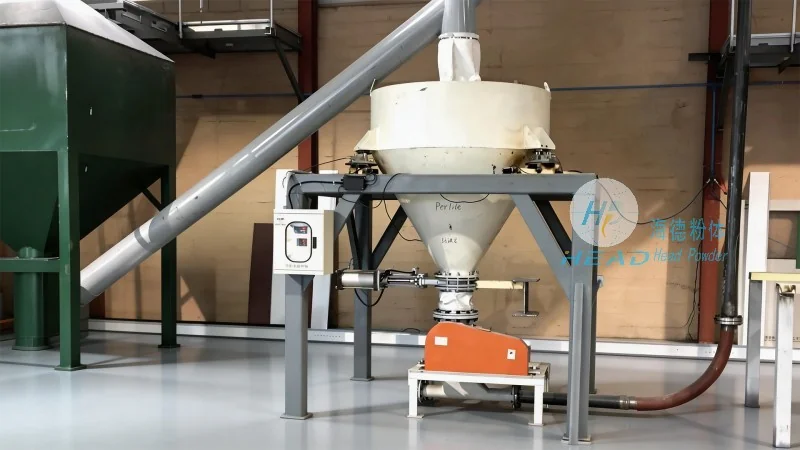
The effective use of concrete powder conveyors significantly improves the productivity and efficiency of construction projects. By eliminating the need for manual handling of bulk concrete powders, these systems reduce labor costs and minimize the risk of material spillage or contamination. The consistent and reliable transport of materials also ensures that concrete production processes remain uninterrupted, leading to better project timelines and quality control. Furthermore, the ability to transport materials over long distances without the need for intermediate storage or handling points streamlines the workflow, reducing operational complexity. The equipment's low maintenance requirements and long service life contribute to cost savings over the equipment's lifespan. In summary, concrete powder conveyors offer a practical solution for efficient material handling in the construction industry, supporting the demands of modern building projects with their advanced design and performance capabilities.
Conclusion
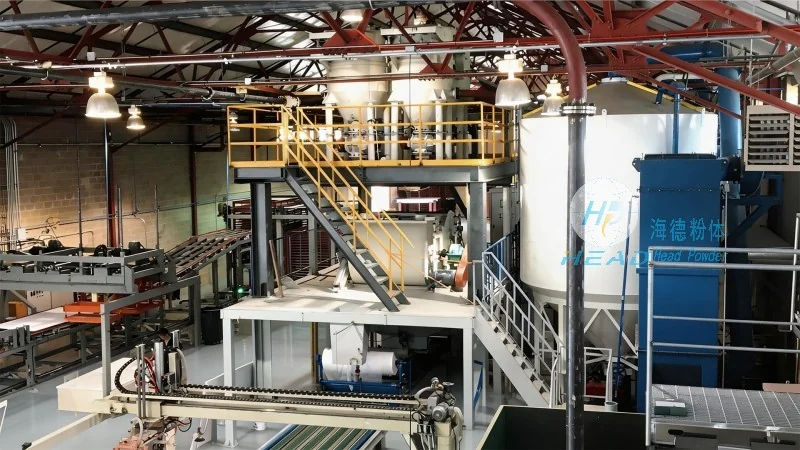
Concrete powder conveyors, as exemplified by the products from Shandong HeadPowder Engineering Co., Ltd., represent a critical advancement in material handling technology for the construction sector. Their working principle, which combines efficient propulsion methods with robust control systems, ensures reliable and high-volume transport of dry concrete powders. The key features, including durability, environmental compliance, and customization options, make these conveyors suitable for diverse construction applications. By integrating such equipment into construction projects, companies can enhance operational efficiency, reduce costs, and improve overall project outcomes. As the construction industry continues to evolve, the role of advanced material handling systems like concrete powder conveyors will remain vital in meeting the demands of modern building practices.