

Working Principle and Features of Denitrant Pneumatic Conveying Systems
Denitrant pneumatic conveying systems are critical components in modern industrial processes, particularly in facilities that utilize selective catalytic reduction (SCR) for nitrogen oxide (NOx) control. These systems are designed to transport denitrant powders, such as urea or ammonium bicarbonate, from storage silos to the injection points in boiler or flue gas systems. Understanding the working principle and key features of such systems is essential for optimizing performance, ensuring compliance with environmental regulations, and maintaining operational efficiency.
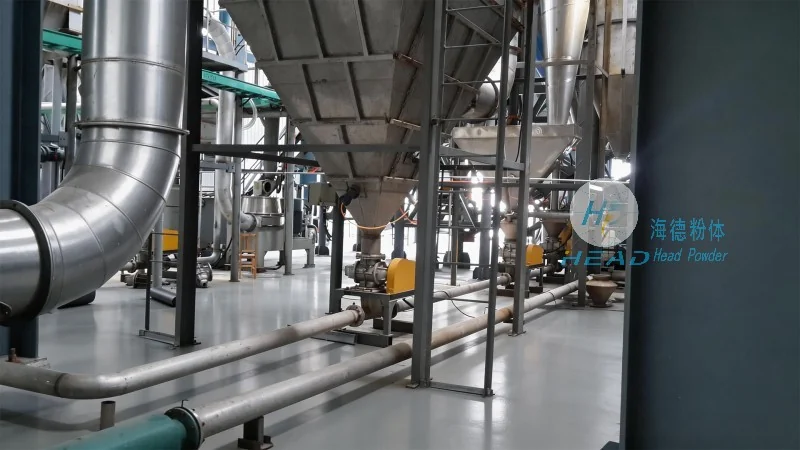
Working Principle of Denitrant Pneumatic Conveying Systems
The core mechanism of a denitrant pneumatic conveying system involves the use of compressed air or other gas to create a flow that transports the solid powder. The process typically begins with the denitrant powder stored in a silo or hopper. A rotary valve or feeder then meters the powder into a pipeline. Compressed air is introduced into the pipeline, creating a high-velocity gas stream that entrains the powder particles. This mixture of air and powder is then transported to the injection point, where the air is typically released or the powder is injected into the flue gas stream. The system may use different conveying modes, such as dilute-phase or dense-phase, depending on the material properties and distance to be covered.
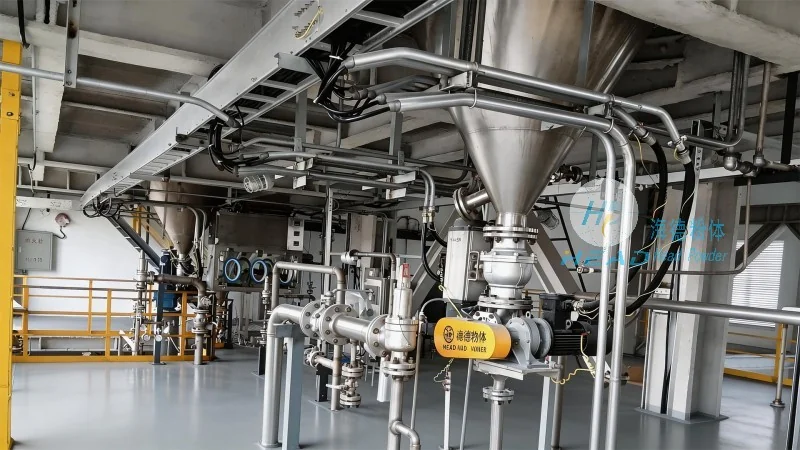
Key Features of Denitrant Pneumatic Conveying Systems
Several key features distinguish effective denitrant pneumatic conveying systems. First, the system must ensure consistent and reliable powder feeding to maintain stable NOx reduction rates. This often involves advanced metering devices, such as loss-in-weight feeders, which provide precise control over the flow rate. Second, the system must handle the specific characteristics of denitrant powders, which may include high moisture content, abrasive properties, or tendency to agglomerate. Specialized equipment, like agitators or vibrators, may be incorporated to prevent clogging and ensure smooth flow. Third, the system should be designed for minimal air consumption and energy efficiency. This is achieved through optimized pipeline design, proper air pressure control, and the use of energy recovery systems where applicable. Additionally, the system must comply with safety and environmental regulations, including proper dust collection and explosion-proof measures to protect personnel and the environment.
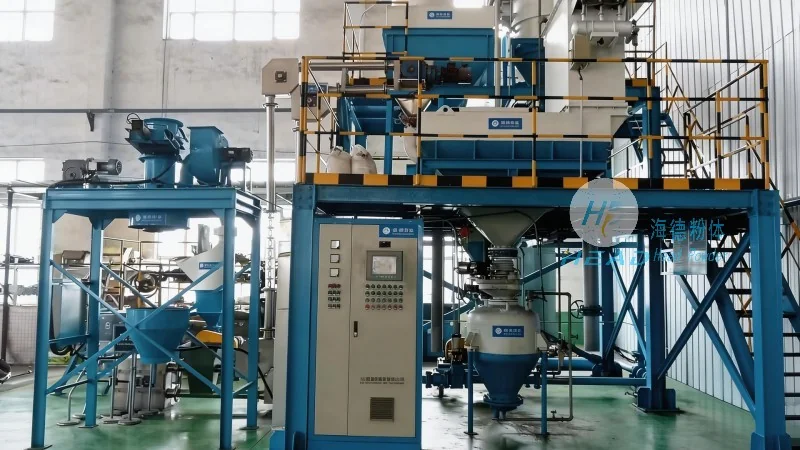
Applications and Benefits
Denitrant pneumatic conveying systems are widely used in power plants, industrial boilers, and other facilities that require NOx control. The primary benefit of these systems is their ability to deliver denitrant powders accurately and efficiently to the injection points, ensuring optimal performance of the SCR system. By maintaining consistent feed rates, the system helps to reduce flue gas emissions and meet stringent environmental standards. Furthermore, the use of pneumatic conveying reduces the need for manual handling of powders, improving workplace safety and reducing the risk of dust exposure. The systems also offer flexibility in terms of layout, as they can be integrated into existing plant infrastructure with minimal disruption.
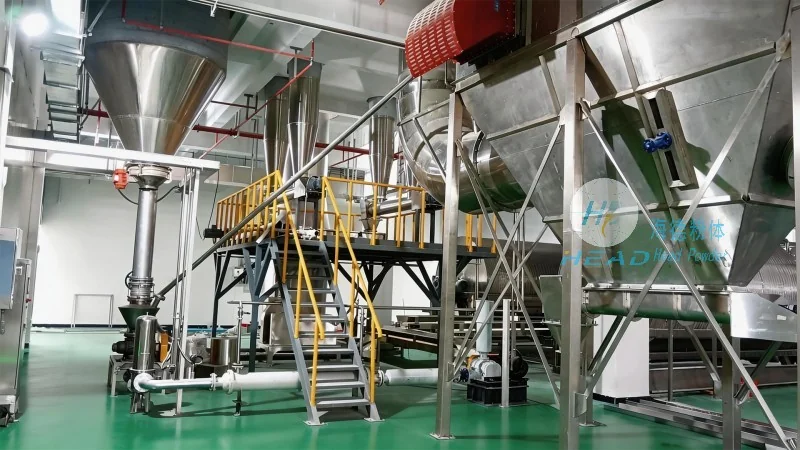
Company Overview: Shandong HeadPowder Engineering Co., Ltd.
Shandong HeadPowder Engineering Co., Ltd. is a leading provider of industrial pneumatic conveying solutions, specializing in systems for denitrant and other powder handling applications. With a focus on innovation and customer satisfaction, the company has developed advanced technologies to meet the evolving needs of the power and industrial sectors. HeadPowder's systems are designed to enhance operational efficiency, reduce maintenance costs, and ensure compliance with global environmental regulations. The company's expertise in material handling and process engineering enables it to deliver customized solutions that address the unique challenges faced by each client. HeadPowder is committed to providing reliable, high-performance equipment that contributes to sustainable industrial operations.