

Working Principle and Features of Coffee Bean Pneumatic Conveying Systems
For coffee processing facilities, efficient and reliable material handling is crucial to maintaining product quality and operational productivity. Among the various technologies available, coffee bean pneumatic conveying systems offer a sophisticated solution for transporting coffee beans from one stage of production to another. This article explores the working principle and key features of such systems, highlighting how they contribute to the smooth operation of coffee processing plants.
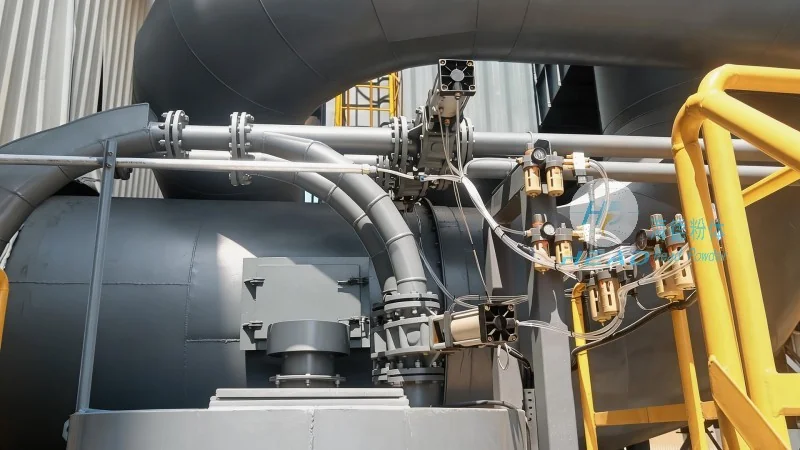
Introduction to Coffee Bean Pneumatic Conveying Systems
HeadPowder, a leading manufacturer based in Shandong, China, specializes in engineering advanced pneumatic conveying solutions tailored for the coffee industry. The company’s systems are designed to meet the specific demands of coffee bean handling, ensuring minimal product degradation and optimal performance. This overview delves into the core aspects of these systems, focusing on their operational mechanics and distinctive advantages.
The Working Principle of Coffee Bean Pneumatic Conveying
At the heart of coffee bean pneumatic conveying is the use of air to transport solid materials, in this case, coffee beans. The system operates by creating a pressure differential between the intake and discharge points. There are two primary types of pneumatic conveying systems: positive pressure and negative pressure. Positive pressure systems generate air pressure at the intake, pushing the coffee beans through the pipeline, while negative pressure systems create a vacuum at the discharge, drawing the beans in. For coffee processing, positive pressure systems are commonly preferred due to their ability to handle abrasive materials like coffee beans without causing excessive wear on components.
The process begins with the coffee beans being fed into the system via a hopper or feeder. A fan or blower then generates the necessary airflow, which is directed through the pipeline. The coffee beans are entrained by the air stream and transported to the destination point, such as a storage silo or processing unit. The system typically includes components like cyclones for separating the beans from the air, filters to clean the exhaust air, and control valves to regulate the flow. The entire operation is automated, allowing for consistent and continuous movement of coffee beans, which is essential for maintaining production schedules and preventing bottlenecks.
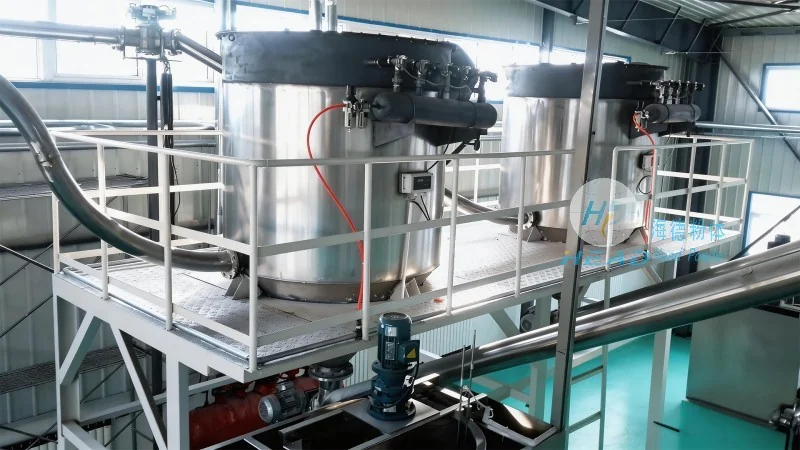
Key Features and Advantages of Coffee Bean Pneumatic Conveying Systems
HeadPowder’s coffee bean pneumatic conveying systems are equipped with several features that enhance their functionality and reliability. One of the most notable advantages is the ability to maintain product integrity. Unlike mechanical conveyors, which may cause friction and damage to the beans, pneumatic systems use air to move the material, minimizing physical contact and preserving the quality of the coffee beans. This is particularly important for specialty coffees, where the texture and flavor profile are critical.
Another key feature is the system’s hygienic design. Coffee processing environments require strict adherence to sanitary standards to prevent contamination. Pneumatic conveying systems are constructed with smooth, easy-to-clean surfaces and can be equipped with CIP (Clean-In-Place) capabilities, ensuring that the equipment remains clean and compliant with food safety regulations. This makes them suitable for handling food-grade materials like coffee beans, which must meet stringent quality and safety requirements.
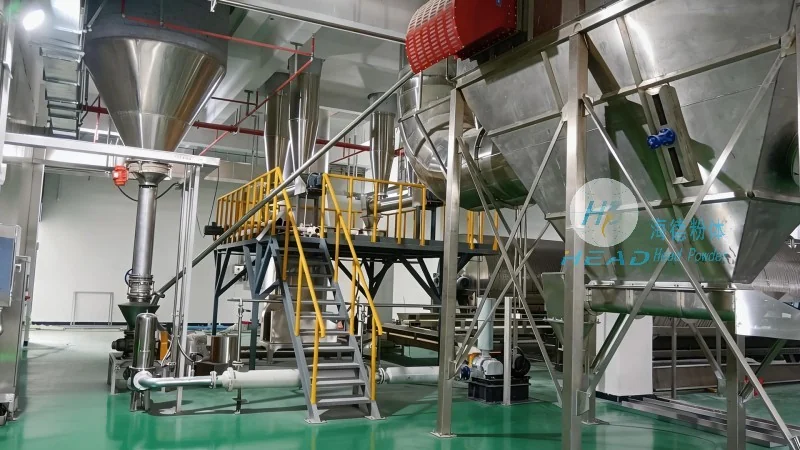
Efficiency and flexibility are also significant benefits. The systems can handle varying capacities, from small batches to large-scale production, by adjusting the airflow and pressure settings. This adaptability allows coffee processing plants to scale their operations as needed without investing in new equipment. Additionally, the compact design of pneumatic conveying systems saves valuable floor space in processing facilities, which is a critical consideration for many businesses.
Furthermore, the systems offer energy efficiency compared to traditional methods. By using air as the primary transport medium, they reduce the need for mechanical components like belts or chains, which can consume more energy and require more maintenance. The reduced wear and tear on components also lower long-term operational costs, making the systems a cost-effective solution for coffee bean handling.
Conclusion
HeadPowder’s coffee bean pneumatic conveying systems exemplify the advanced technology used in modern coffee processing. By understanding the working principle and leveraging the key features of these systems, coffee processing facilities can enhance their operational efficiency, maintain product quality, and ensure compliance with industry standards. As a leading manufacturer based in Shandong, China, HeadPowder continues to innovate in the field of pneumatic conveying, providing reliable solutions that meet the evolving needs of the coffee industry.