

Working Principle and Features of Graphite Pneumatic Conveying Systems
Graphite pneumatic conveying systems are critical in industrial applications, particularly for the efficient transport of graphite materials. Understanding the working principle and key features of such systems is essential for optimizing material handling processes and ensuring operational efficiency. This article provides a detailed overview of how these systems operate and the advantages they offer.
Introduction to Graphite Pneumatic Conveying Systems
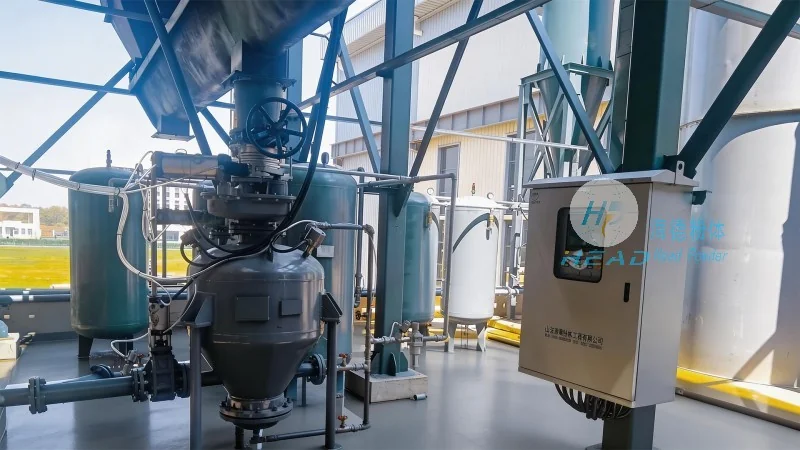
Graphite, a versatile material with unique properties, is widely used in various industries including electronics, refractories, and lubricants. The need to transport graphite powders or granules safely and effectively has led to the development of specialized pneumatic conveying systems. These systems utilize air or other gases to move material through a pipeline, eliminating the need for mechanical components like belts or buckets that may cause contamination or wear. The design and operation of graphite pneumatic conveying systems are tailored to handle the specific characteristics of graphite, such as its fine particle size and potential for static electricity.
Working Principle of Graphite Pneumatic Conveying Systems
The core working principle of a graphite pneumatic conveying system involves the use of a blower or compressor to generate airflow within a sealed pipeline. The system typically consists of a hopper, a feeder, a pipeline network, and a receiver. The process begins with the material being fed from the hopper into the feeder, which controls the flow rate and ensures a consistent supply of graphite to the system. As the material enters the pipeline, the airflow created by the blower accelerates the particles, propelling them through the system. The velocity of the air is crucial; it must be sufficient to overcome the gravitational forces and any friction within the pipeline, ensuring that the graphite particles remain suspended and transported efficiently. The system may include components like cyclones or filters to separate the material from the air at the receiver end, allowing for clean material recovery and air filtration.
Key Features and Advantages of Graphite Pneumatic Conveying Systems
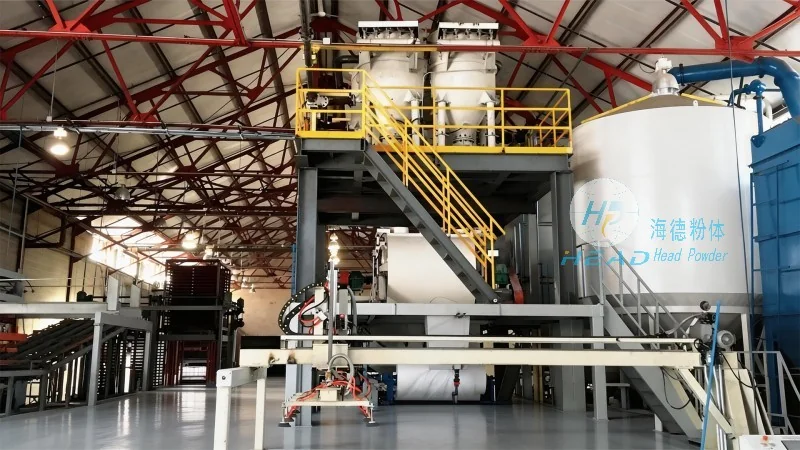
Graphite pneumatic conveying systems offer several advantages that make them ideal for handling graphite materials. One of the primary features is the ability to transport material over long distances without the need for intermediate storage or transfer points, which reduces downtime and material loss. The systems are also designed to minimize contamination, as they operate in a closed environment, preventing exposure to external elements or cross-contamination with other materials. Another significant feature is the reduction in labor costs and maintenance requirements compared to traditional mechanical conveying methods. Mechanical systems often require regular maintenance and replacement of components, whereas pneumatic systems have fewer moving parts and lower maintenance needs. Additionally, these systems can handle a wide range of graphite particle sizes and shapes, from fine powders to larger granules, making them versatile for different applications. The ability to control the flow rate and pressure within the system allows for precise material handling, which is critical in processes where consistency is paramount. Furthermore, the systems are energy-efficient, as they use compressed air, which can be sourced from existing industrial air systems, reducing operational costs.
Applications and Industries Utilizing Graphite Pneumatic Conveying Systems
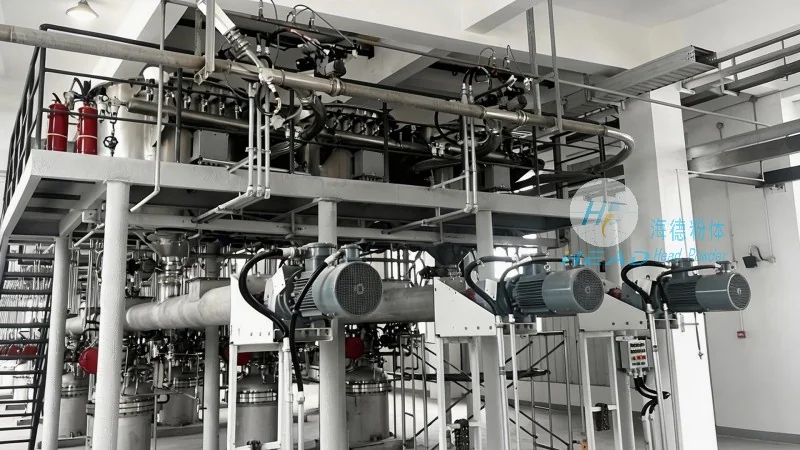
Graphite pneumatic conveying systems are widely used in industries that rely on graphite as a key component. In the electronics industry, for example, graphite is used in the production of batteries and semiconductors, and the systems ensure that the material is transported safely and without contamination to production lines. The refractory industry also benefits from these systems, as graphite is used in the manufacturing of high-temperature refractory products, where the purity and consistency of the material are crucial. In the lubricants industry, graphite is used to enhance the performance of lubricating oils, and the systems ensure that the graphite is added uniformly to the base oil. Other applications include the production of graphite electrodes, where the material needs to be transported to the manufacturing facilities without degradation. The versatility of graphite pneumatic conveying systems makes them suitable for a variety of industrial processes, from small-scale laboratory applications to large-scale production lines.
Conclusion and Company Overview
Graphite pneumatic conveying systems are an essential technology for the efficient and safe handling of graphite materials. By understanding the working principle and leveraging the key features of these systems, industries can improve their operational efficiency, reduce costs, and maintain the quality of their products. Shandong HeadPowder Engineering Co., Ltd., a leading manufacturer in the field, specializes in the design and supply of high-quality graphite pneumatic conveying systems. With a focus on innovation and customer satisfaction, the company provides tailored solutions to meet the specific needs of its clients. HeadPowder's systems are engineered to handle the unique challenges of graphite handling, ensuring reliable performance and long-term durability. The company's commitment to quality and customer support makes it a trusted partner for industries seeking to optimize their material handling processes. Based in Shandong, China, HeadPowder leverages its expertise and local resources to deliver cutting-edge solutions that enhance industrial productivity and sustainability.